Guides and kitchen notes
Practical guides to eating at Shukette, sourced from the restaurant's own menu and listings, plus general food-knowledge articles that link back to specific dishes and dining guides.
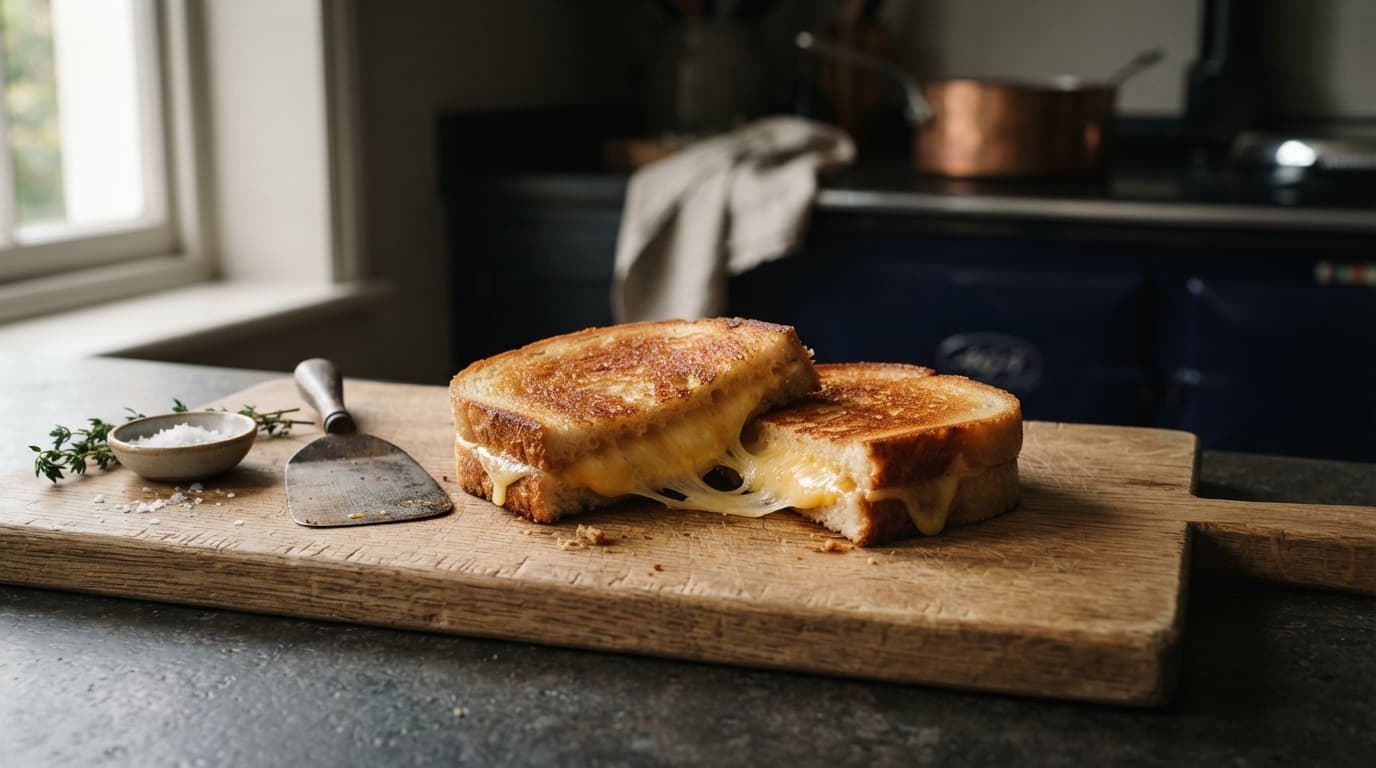
No single person did. Melted cheese on bread is centuries old, but the sandwich took shape in the 1920s and '30s once sliced bread and cheap cheese arrived.
9 min read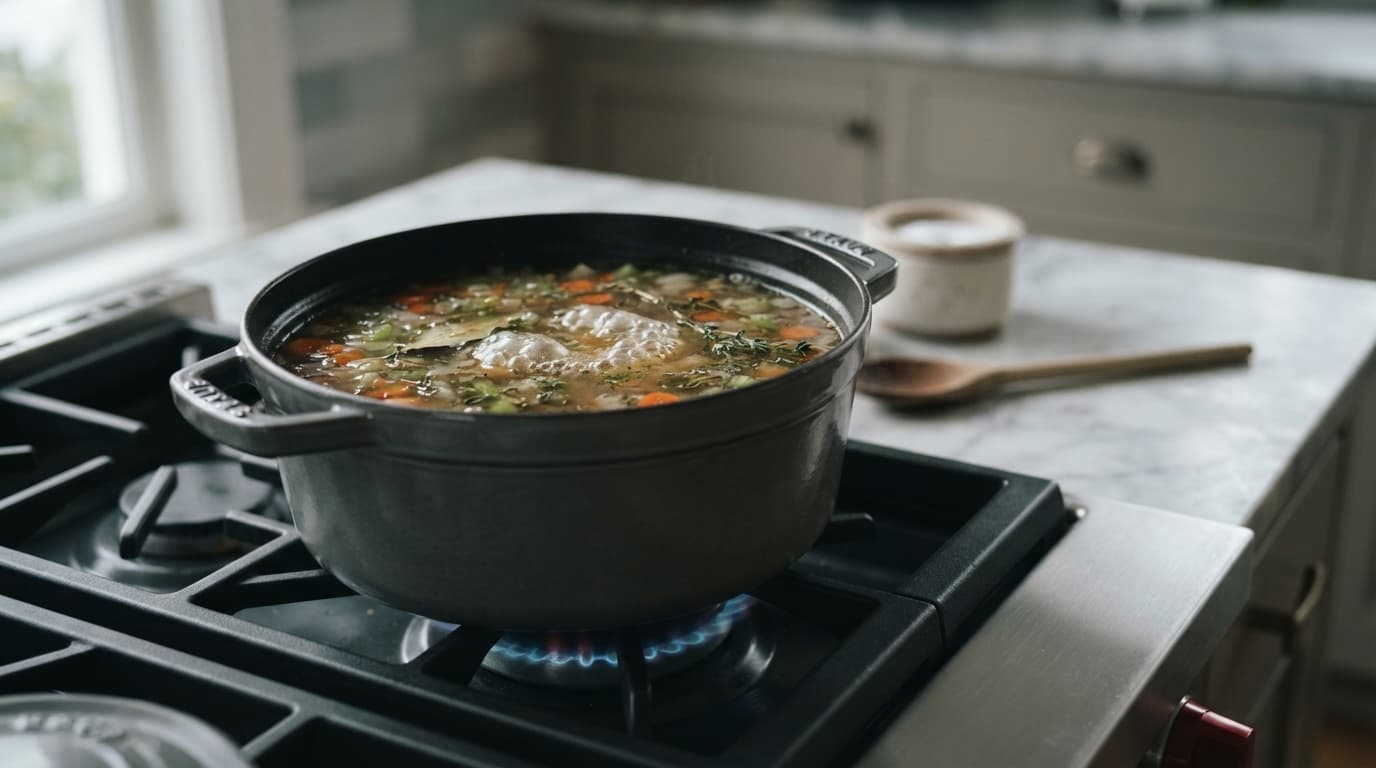
Roughly 185 to 205°F, well below a full boil at 212°F. Here's how to spot it by bubble pattern alone, since most stovetop cooking never touches a thermometer.
9 min read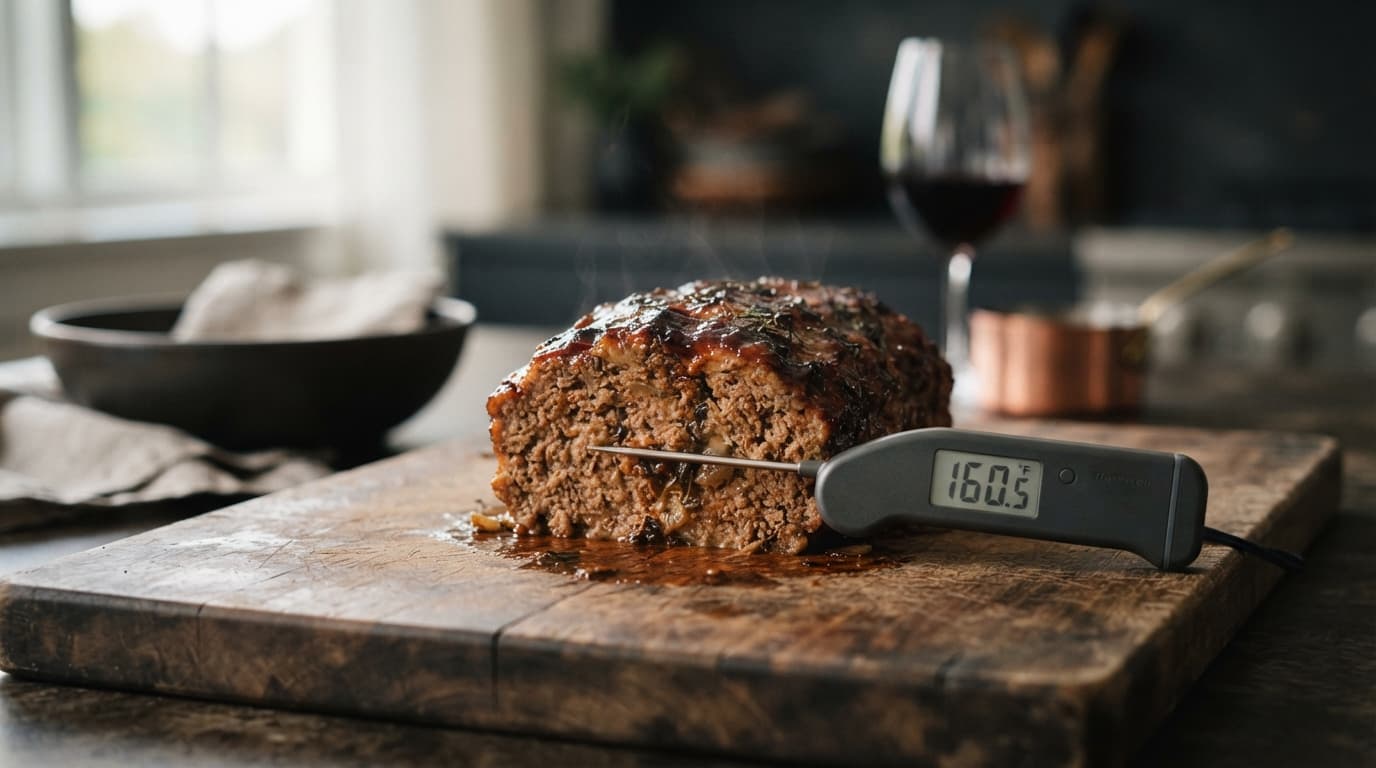
160°F, per USDA guidance for ground meat, beef, pork, veal, or a mix. That's higher than whole-cut beef's 145°F minimum, for a specific reason.
9 min read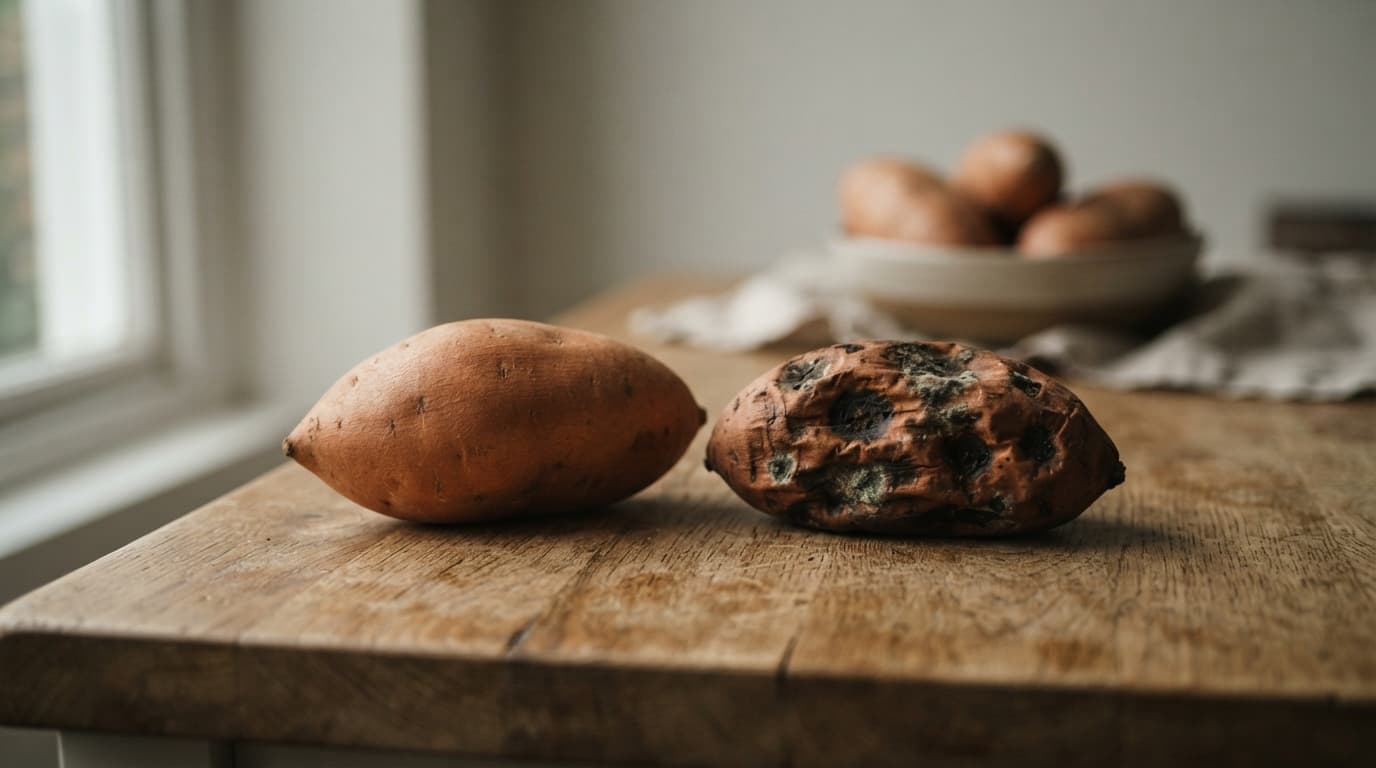
A bad sweet potato has soft spots, mold, dark spots, wrinkled skin, or a sour smell. Sprouted sweet potatoes stay safe if otherwise firm, unlike white potatoes.
10 min read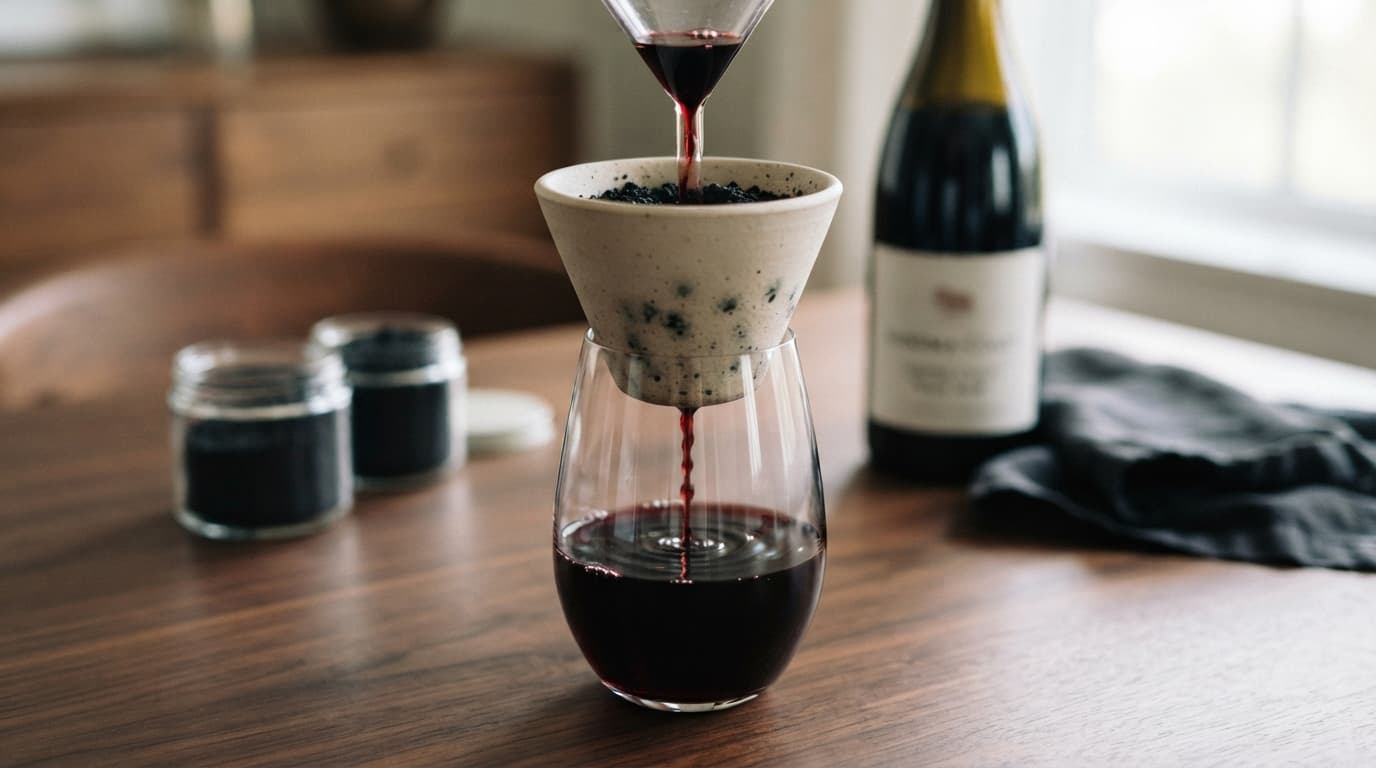
No reliable method removes sulfites from wine after bottling. Wine wands rely only on manufacturer data; lower-sulfite or organic wine is the real alternative.
9 min read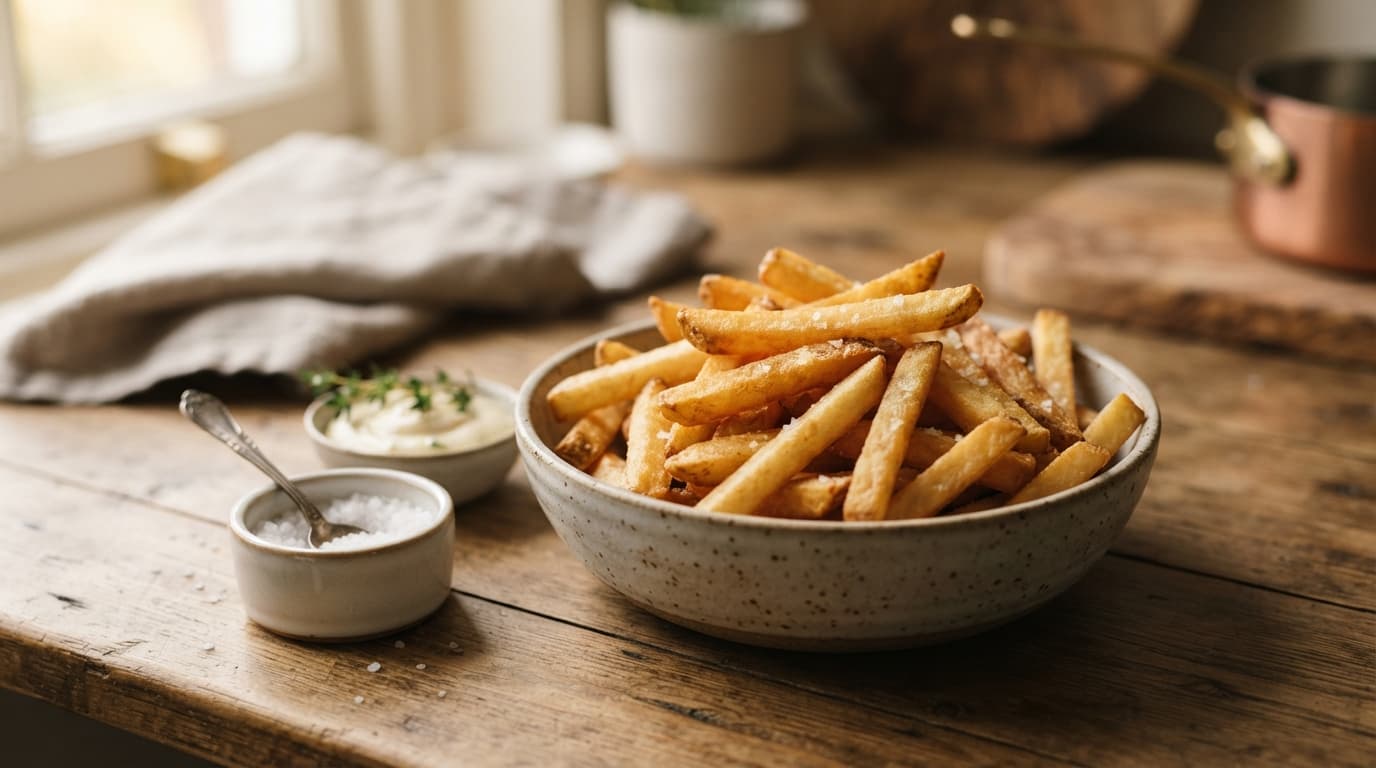
An air fryer at 350-400°F for 3-5 minutes gets fries crisp again. The oven at 375-400°F works nearly as well spread thin, while a microwave leaves them soggy every time.
9 min read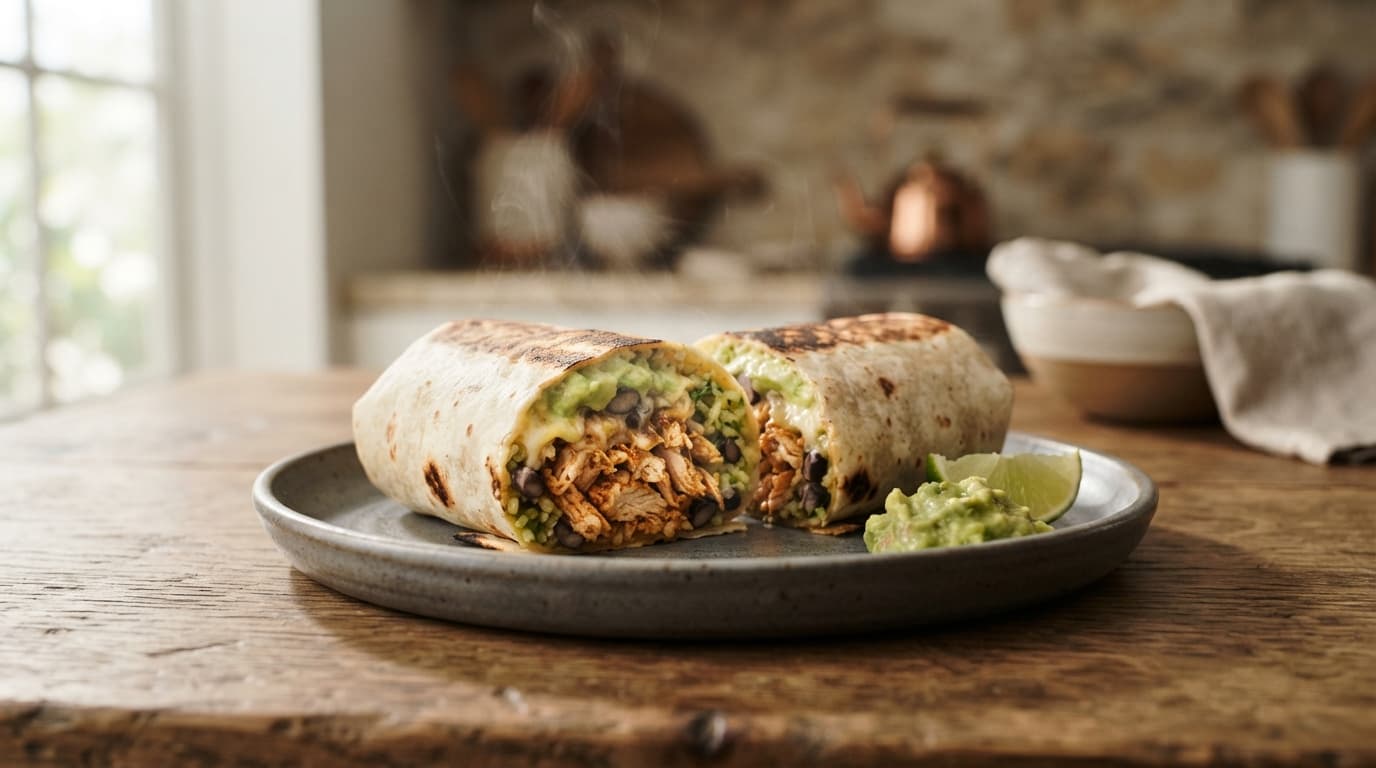
The oven gives the most even result: 350°F for 15-20 minutes in foil. Microwave is faster with a damp paper towel; air fryer needs a foil-then-unwrap approach.
9 min read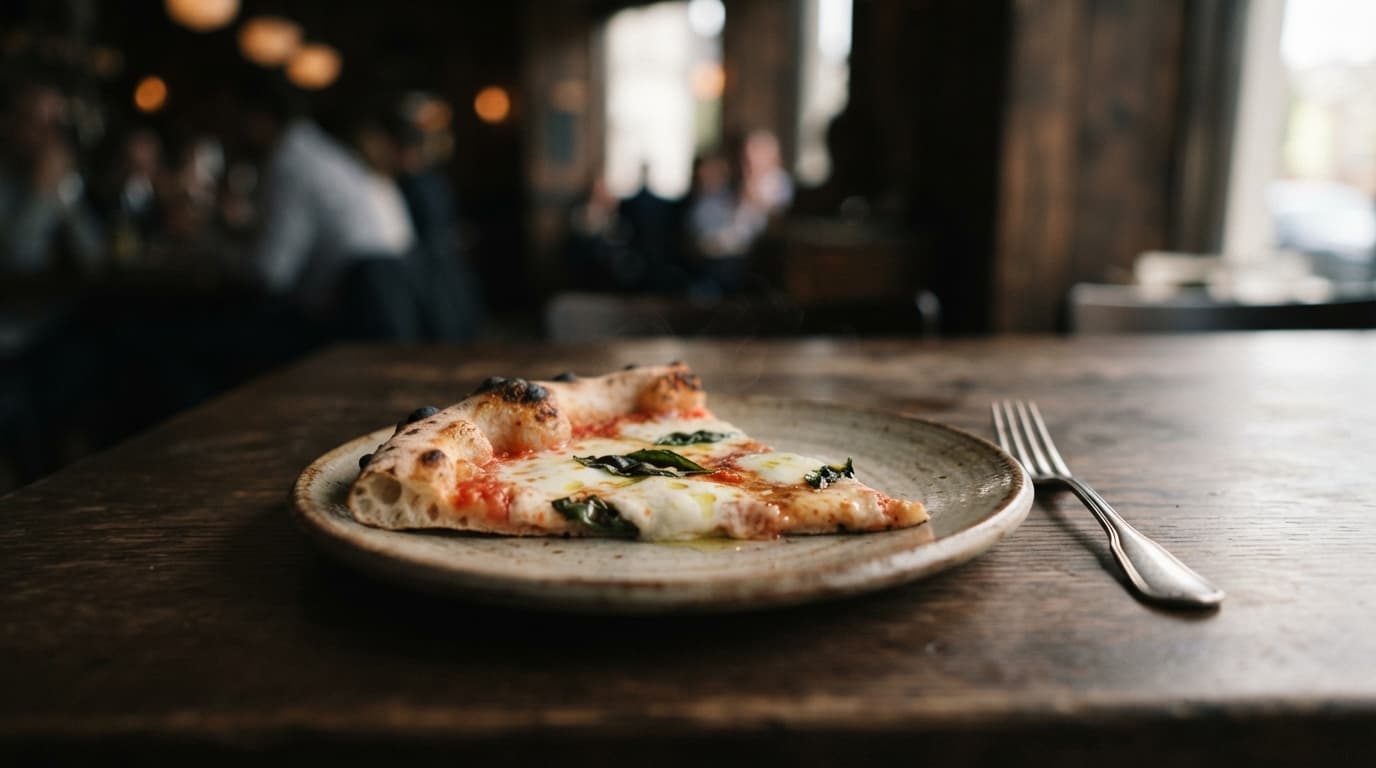
Roughly 250 to 300 calories for a standard cheese slice, per USDA reference data, but a slice is a loose unit. Pie size and how it's cut both swing the real number.
9 min read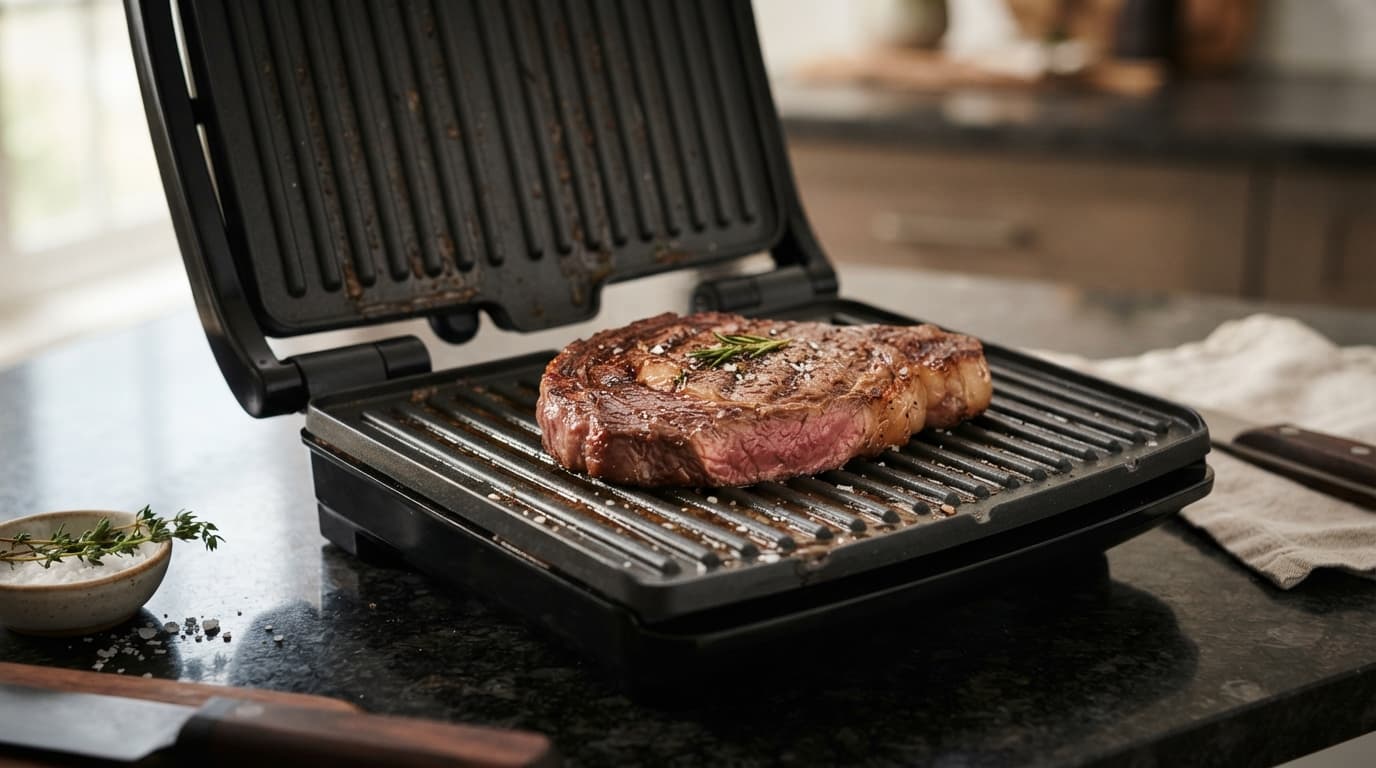
A 1-inch steak takes about 4-7 minutes for medium-rare on a contact grill, since both sides cook at once. Thickness affects time more than the clock does. Confirm 145°F.
10 min read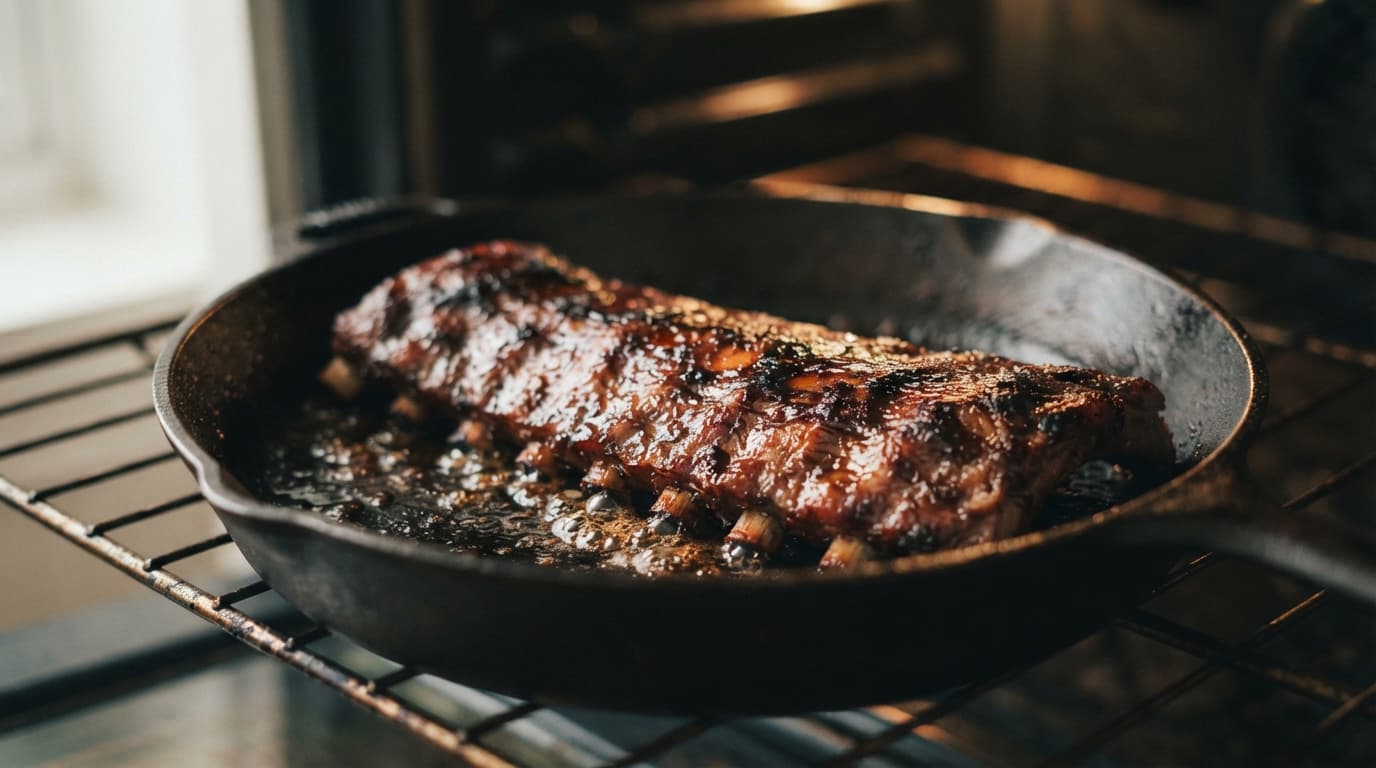
Precooked ribs need reheating to 165°F, not cooking from raw. The practitioner approach is about 250°F for 20 to 30 minutes, foil-wrapped with added moisture.
9 min read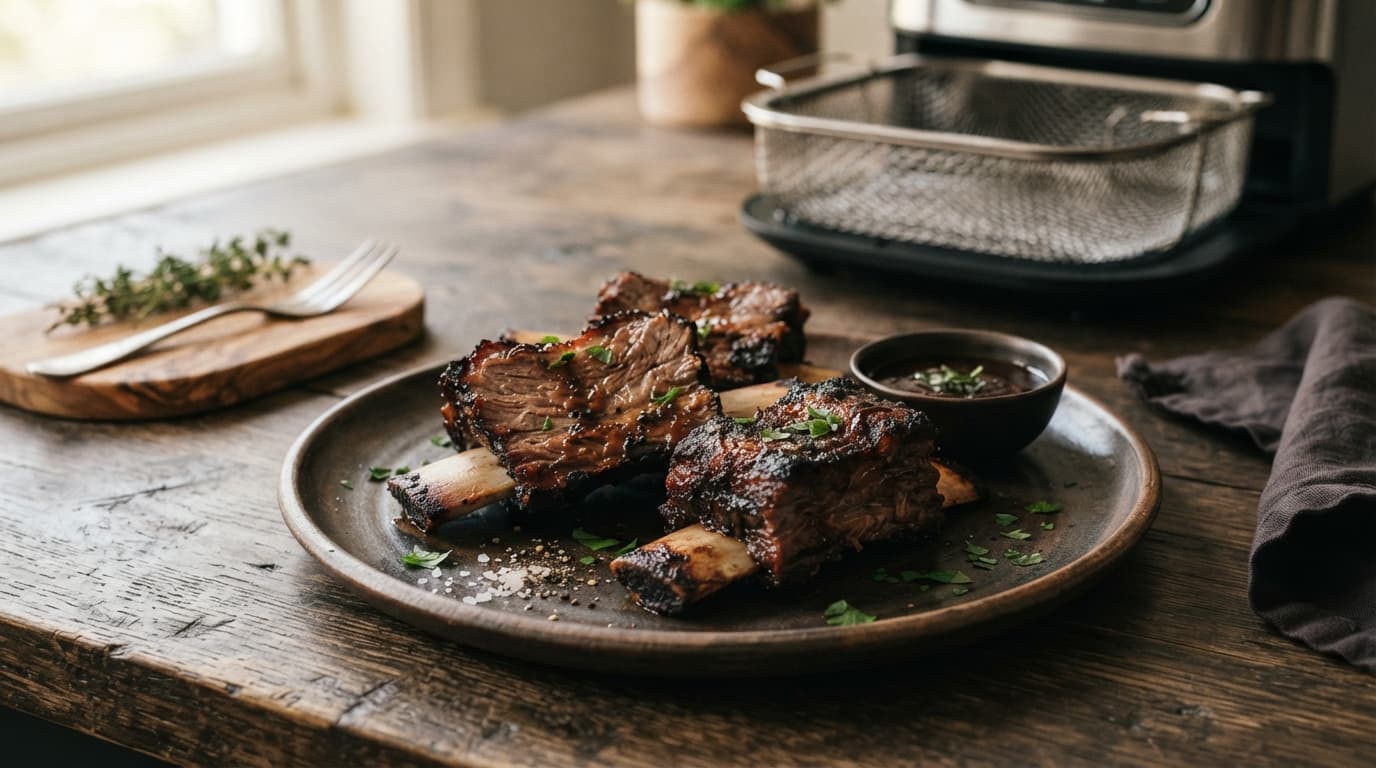
Thin, boneless flanken-style short ribs can cook in under 10 minutes at 400°F. Thicker bone-in, low-and-slow style pieces take closer to an hour at 325°F.
9 min read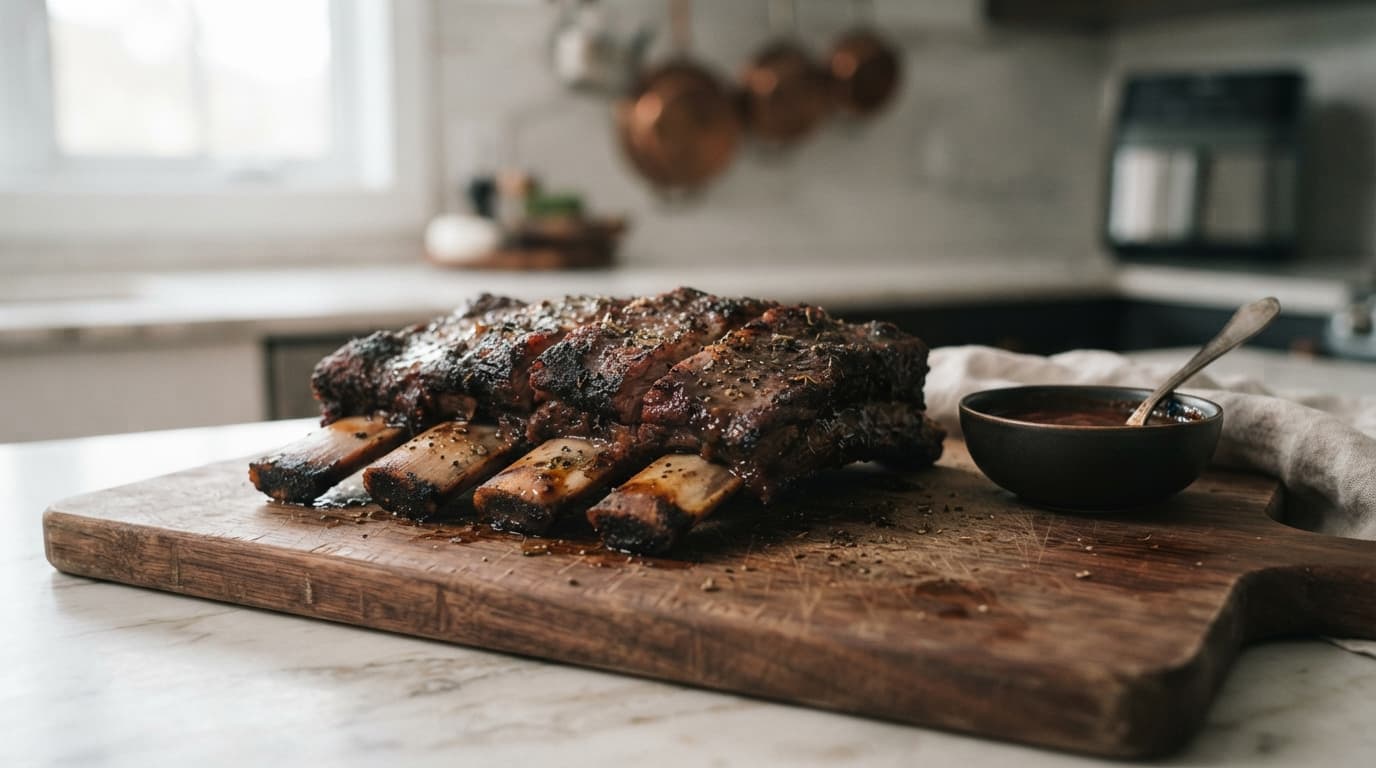
Beef back ribs commonly cook in about 35 minutes at 320°F in an air fryer, faster than an oven because of its smaller chamber and forced convection.
9 min read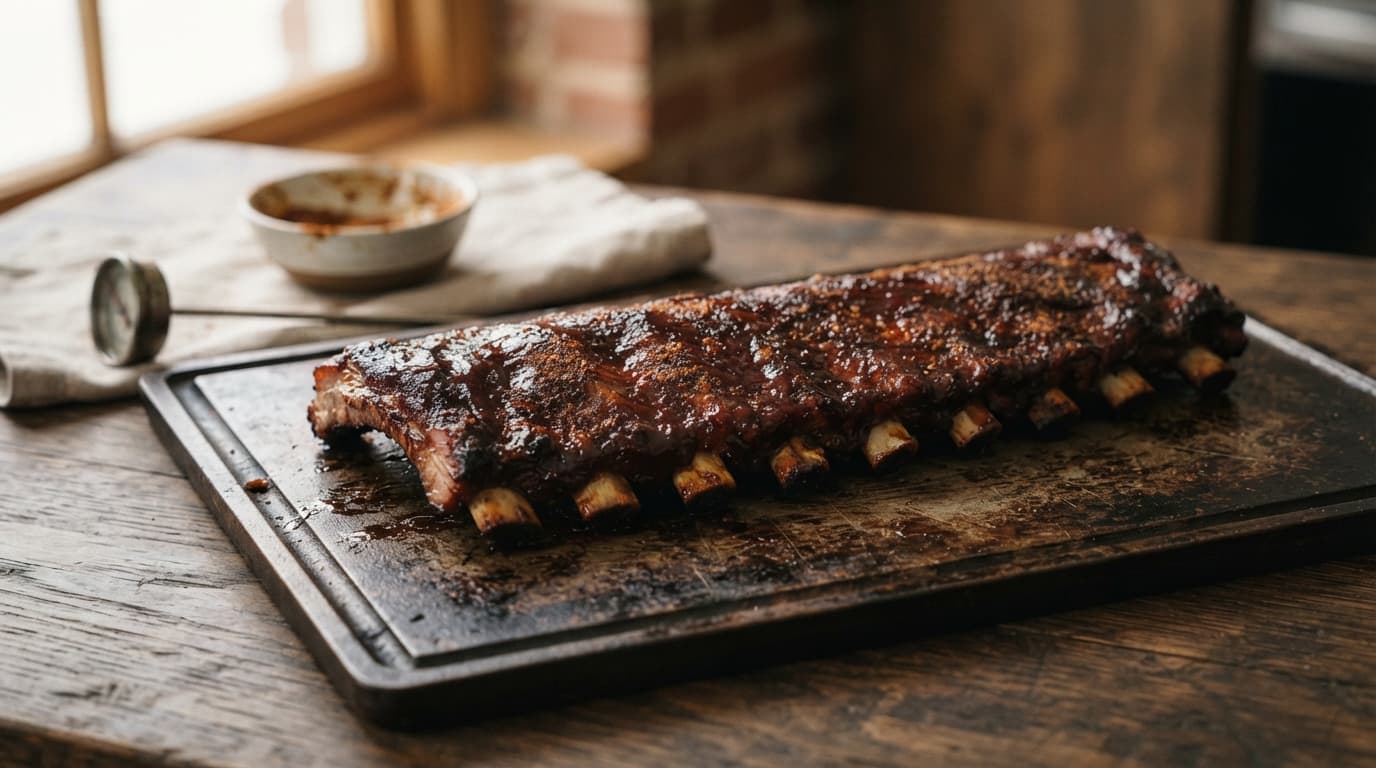
Baby back ribs take roughly 1.5 to 2.5 hours at 325°F, foil-wrapped. Spare ribs, being larger and meatier, run closer to 2.5 to 3 hours at the same temperature.
9 min read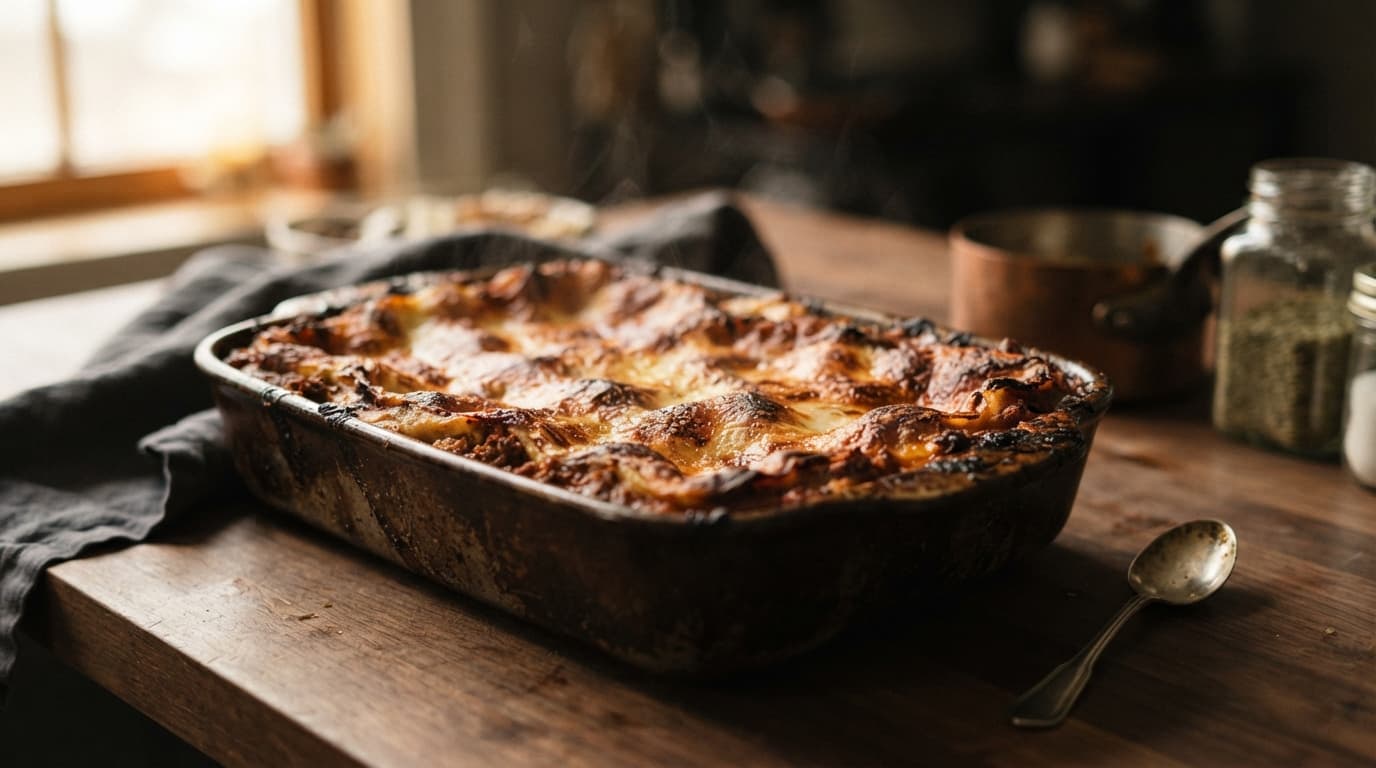
Covered lasagna needs 45 minutes to an hour at 350°F, plus 10-15 minutes uncovered. The safe target is 165°F, the combination-dish standard, not 160°F.
9 min read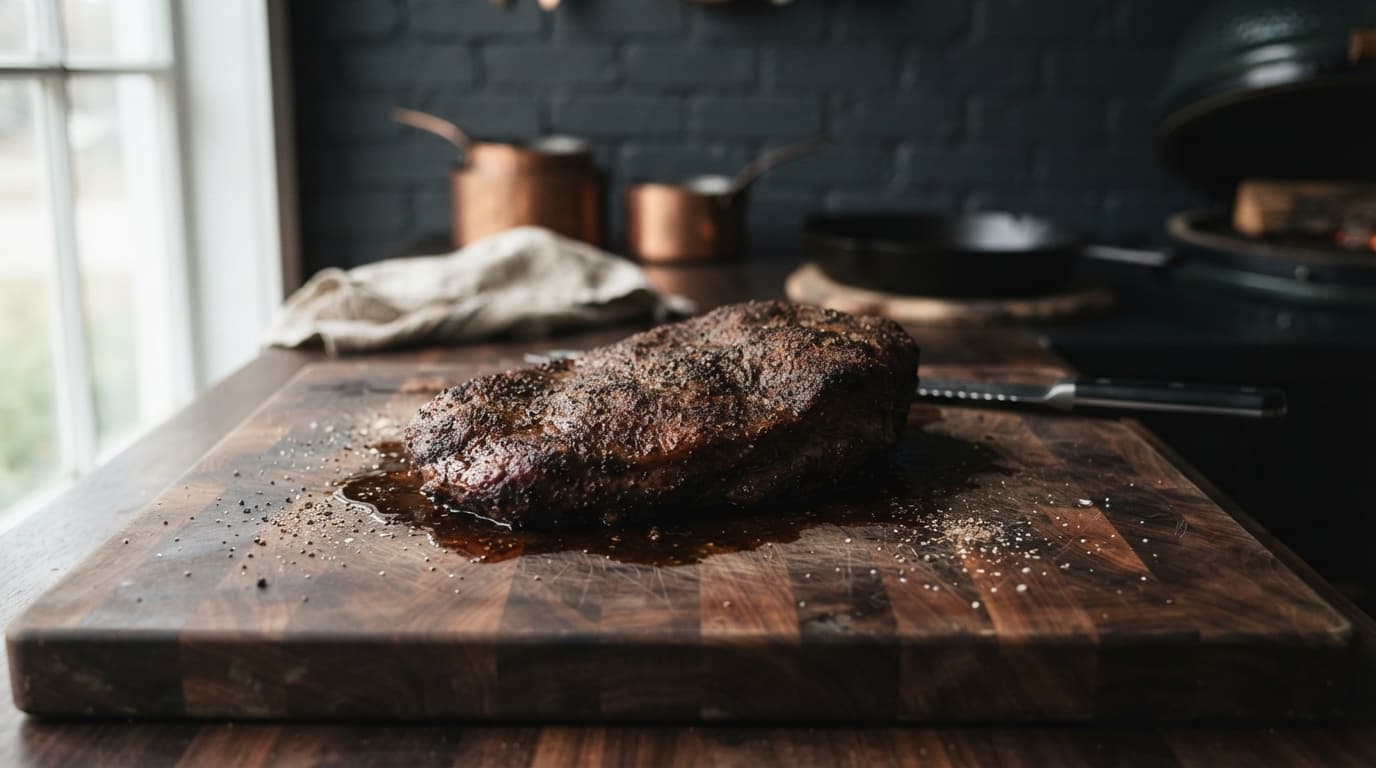
At least an hour, wrapped and off heat. Many barbecue cooks hold brisket in a cooler for 2 to 4 hours instead, for better moisture redistribution and slicing.
9 min read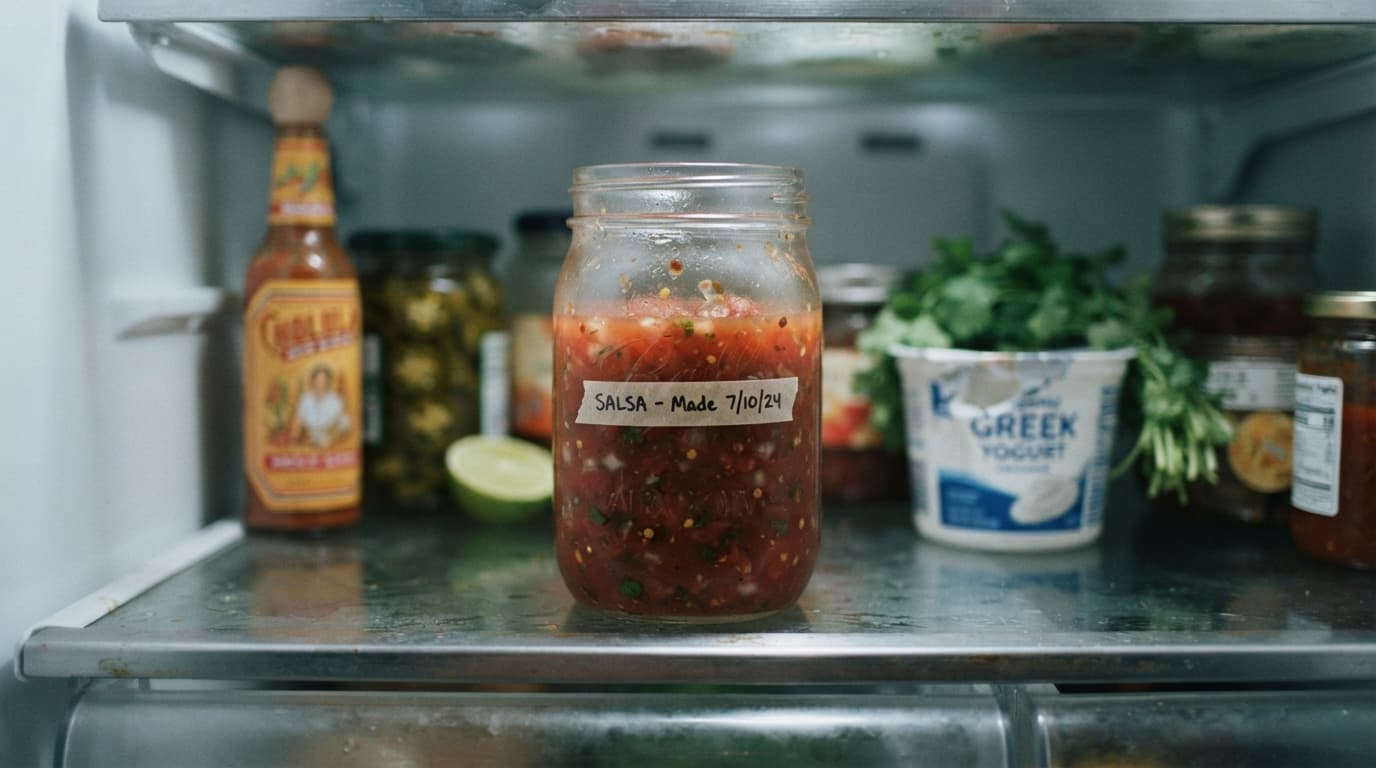
Homemade salsa lasts 3-5 days refrigerated. Opened jarred salsa is good for about a month, while refrigerated-case fresh salsa runs shorter, around 7-14 days.
9 min read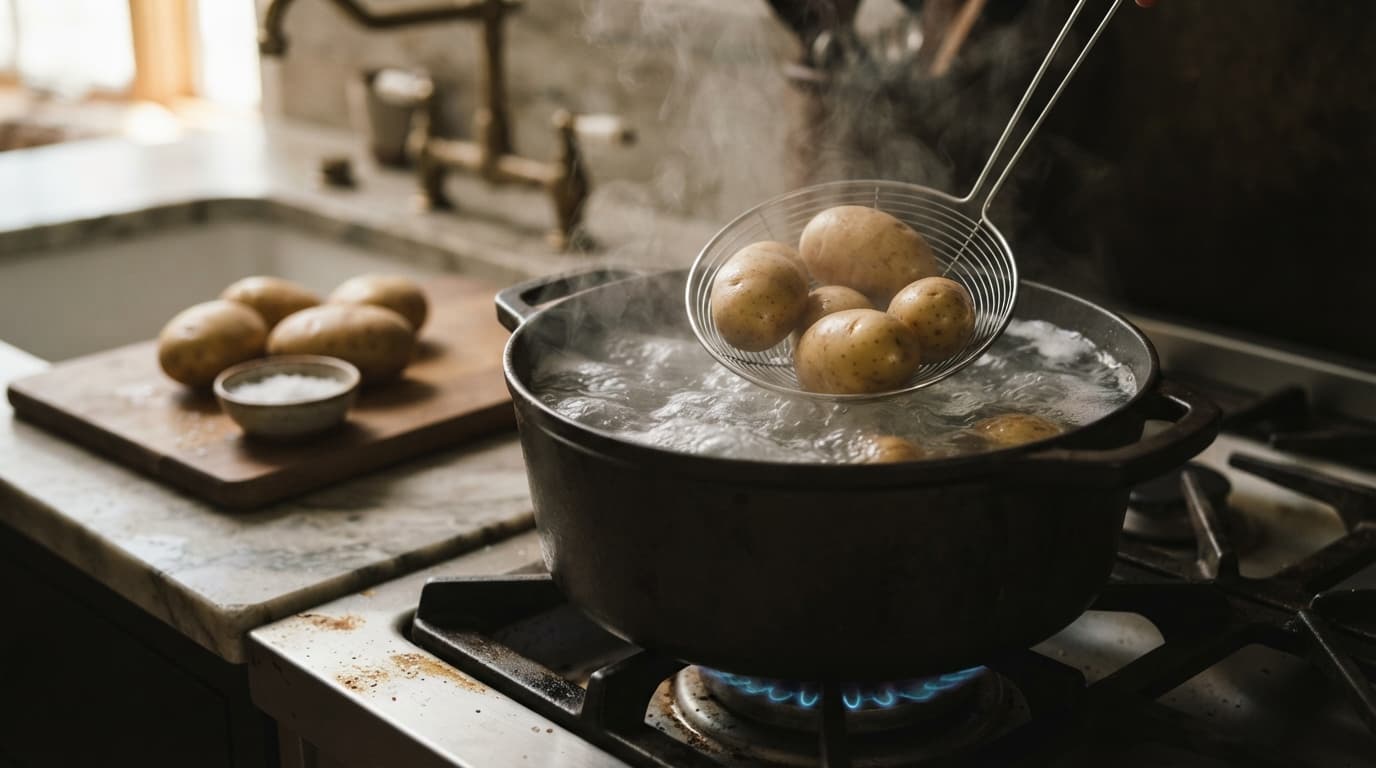
Whole small potatoes take 15-20 minutes to boil, whole russets 25-30 minutes, and cubed potatoes 10-15 minutes. This is a texture question, not a food-safety one.
9 min read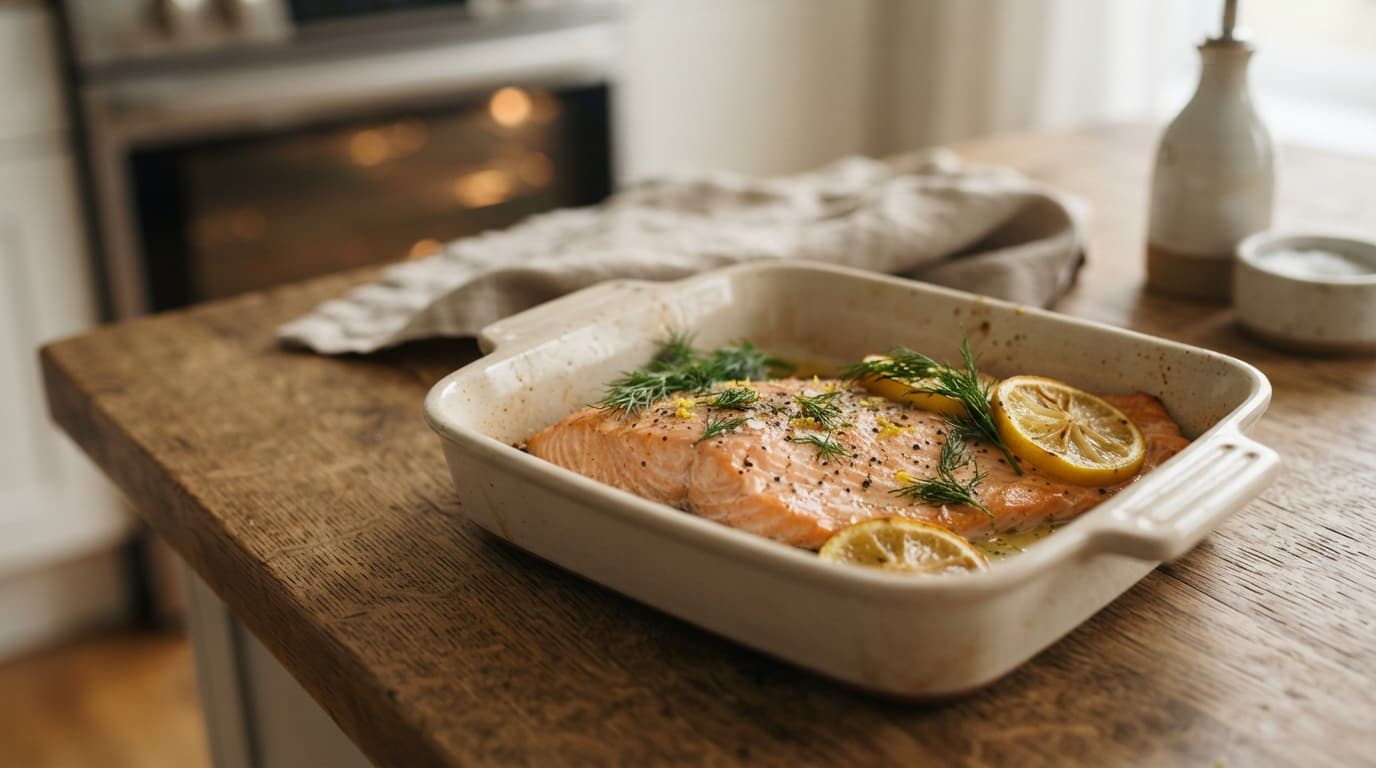
A 1-inch, 1-pound salmon fillet takes about 20-25 minutes at 350°F. The FDA's safe minimum for fish is 145°F, checked with a thermometer at the thickest part.
9 min read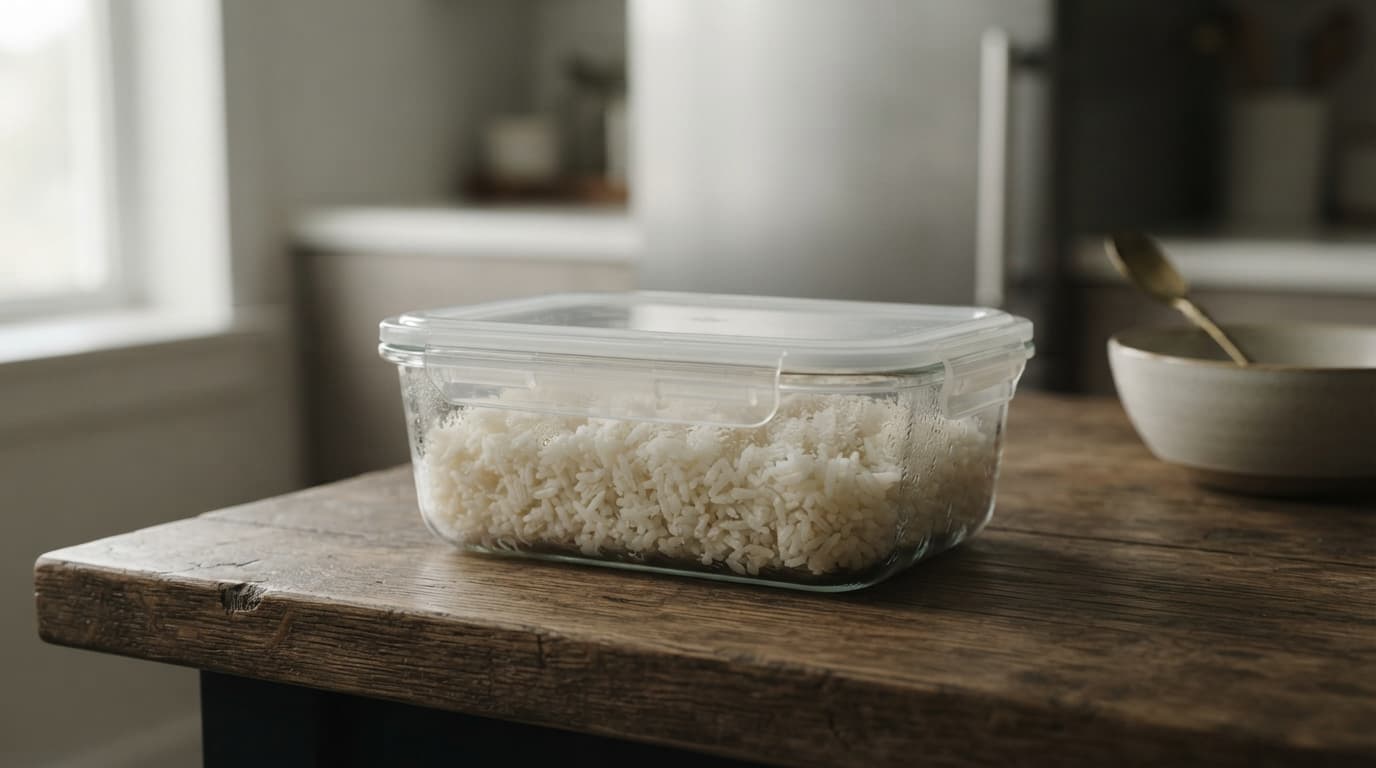
Cooked rice lasts 3-4 days in the fridge. Rice carries a heat-resistant bacteria that makes fast cooling matter more than it does for most leftovers.
10 min read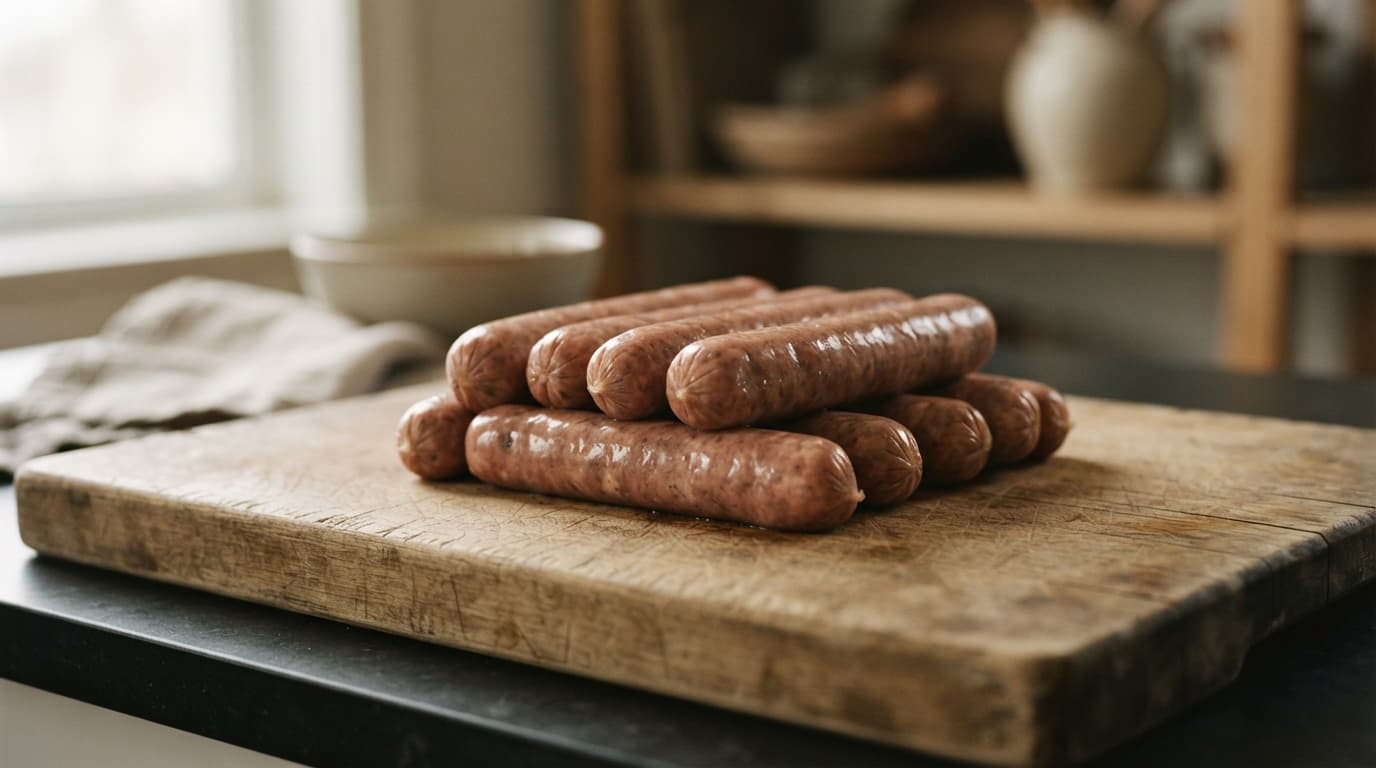
Unopened hot dogs last 2 weeks refrigerated; opened, about 1 week. Cooked hot dogs follow the 3-4 day leftovers rule, and Listeria makes reheating them important.
9 min read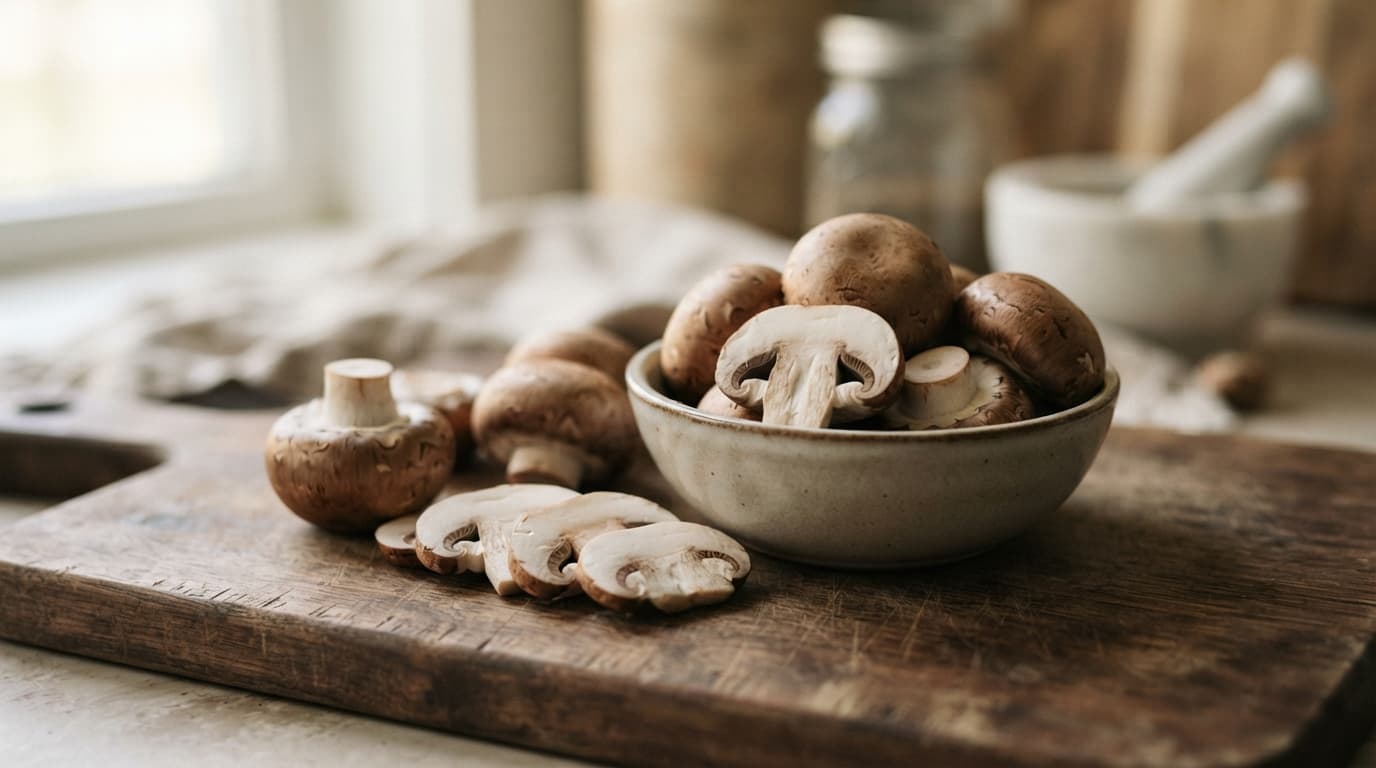
Yes, baby bella mushrooms are generally safe raw. They contain trace agaritine, reduced by cooking, and large studies show no cancer link from normal consumption.
9 min read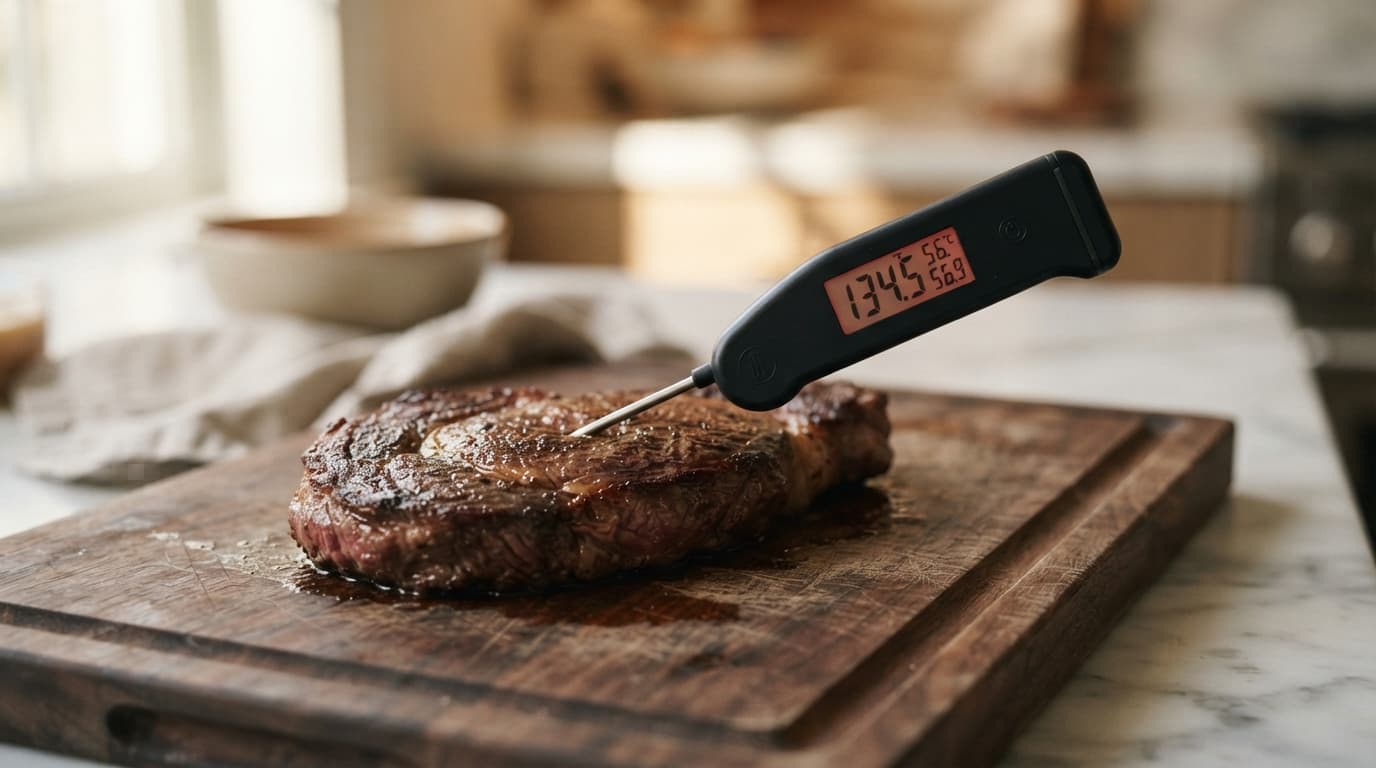
Yes, a $10-20 thermometer can be just as food-safe as a $70 one. What matters is response time and accuracy tolerance, and testing it yourself, not the price.
9 min read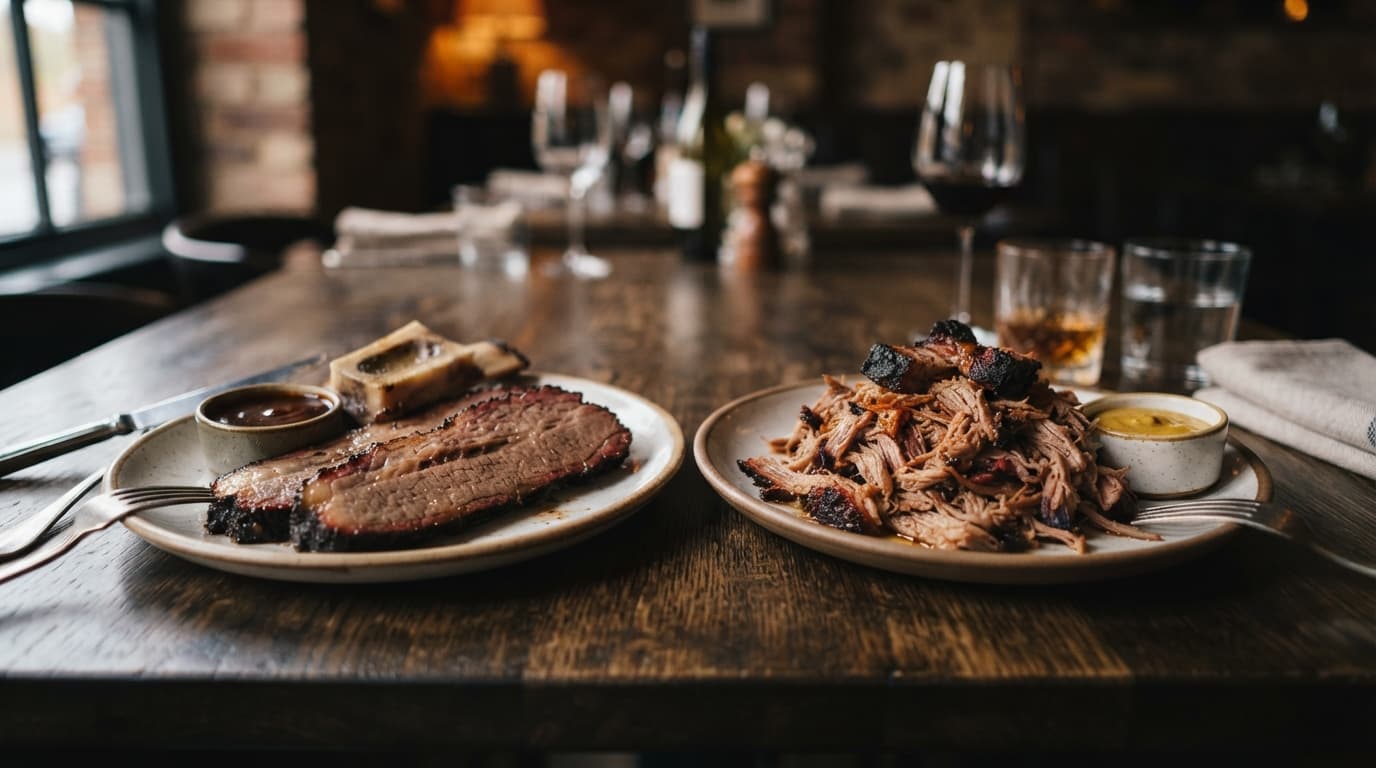
Brisket is beef, pulled pork is from a pig's shoulder. Both are safe at 145°F but cooked past 195°F for texture. The real difference is fat, flavor, and effort.
9 min read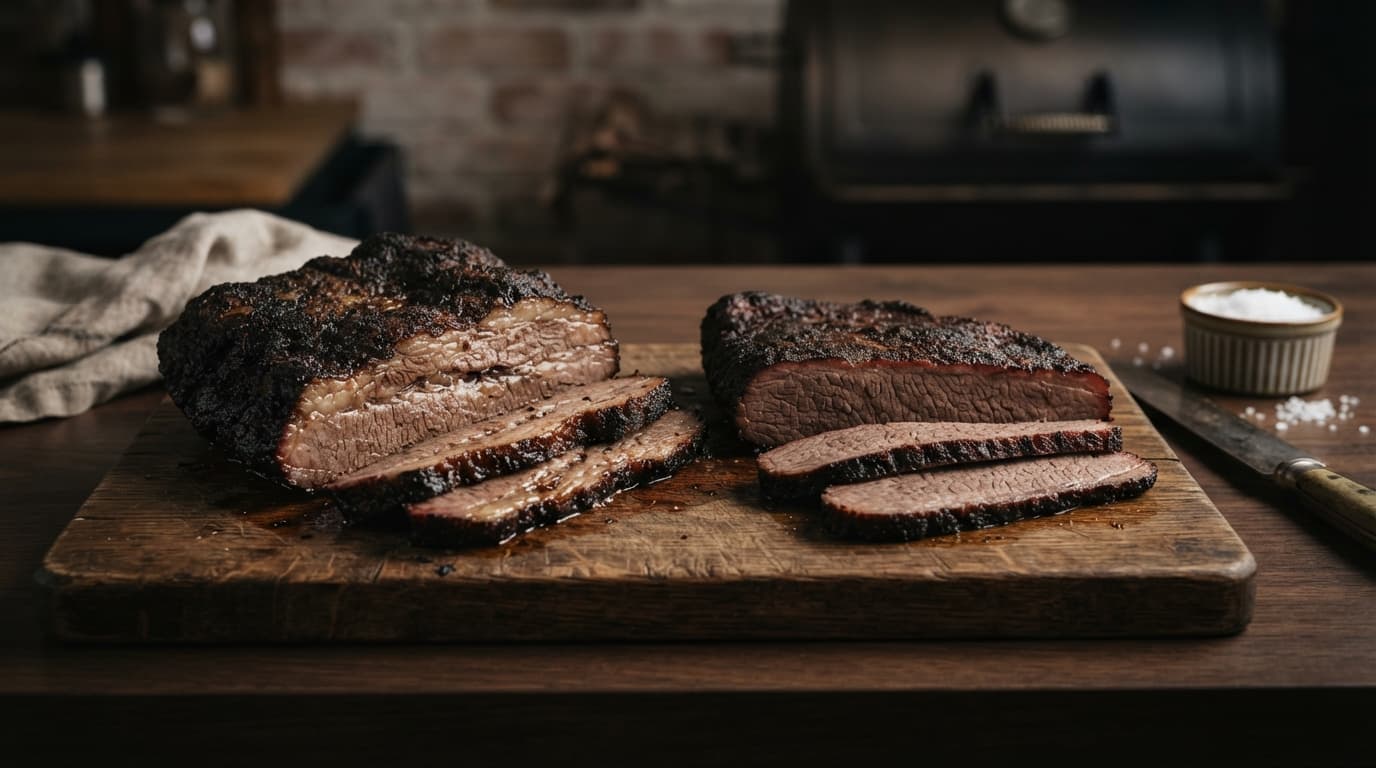
The flat is leaner and uniform, sliced for sandwiches. The point sits on top, fattier and thicker, and becomes burnt ends. Same brisket, two different jobs.
9 min read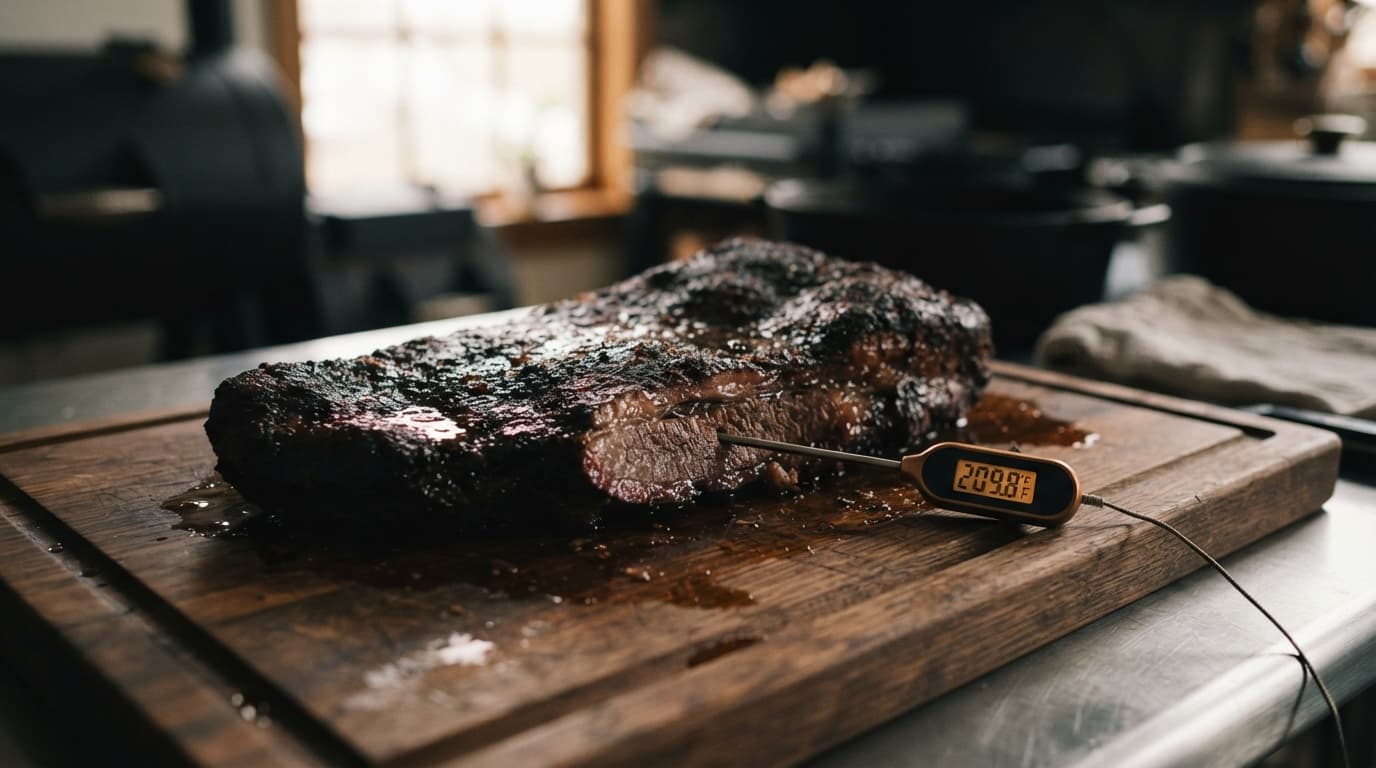
210°F sits at the outer edge of the usual 195-205°F brisket range. It's not an official number from any food-safety body, and it does carry real overcooking risk.
9 min read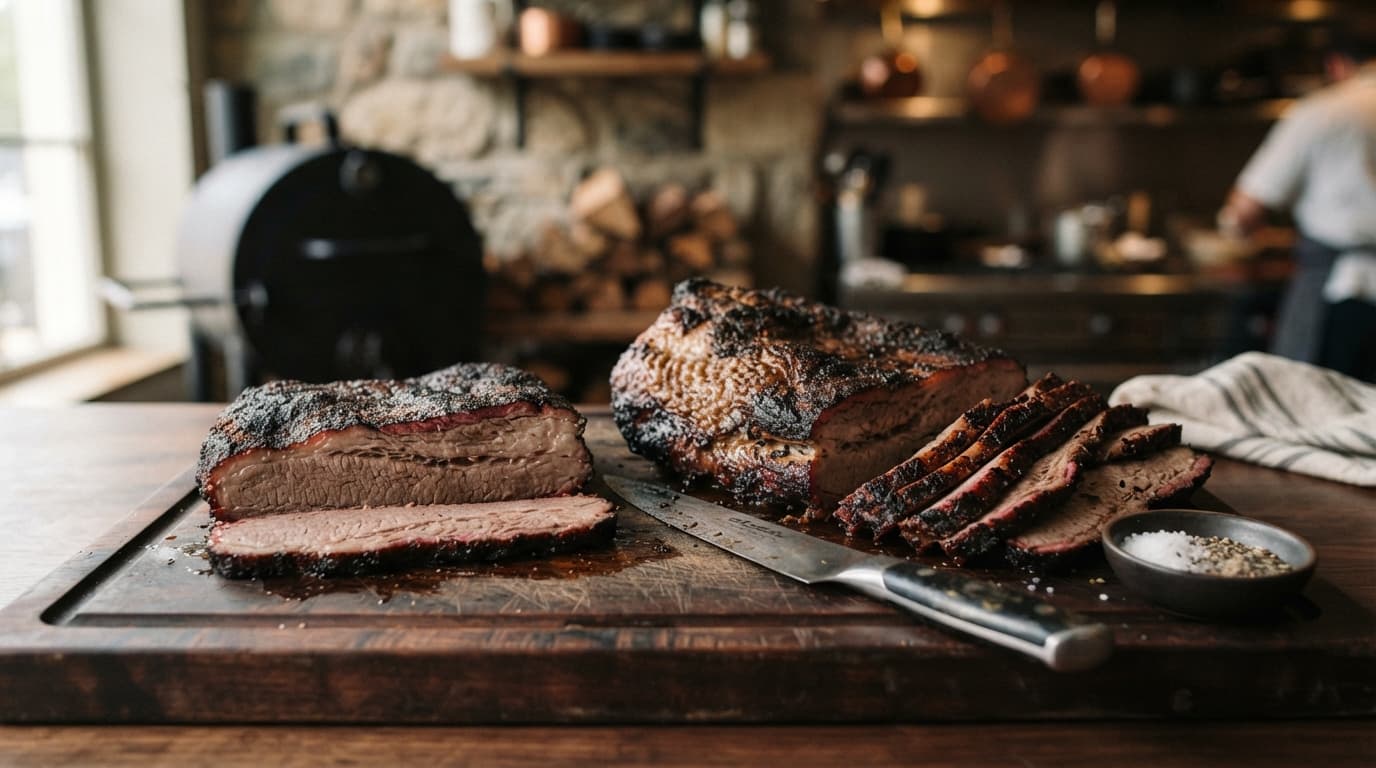
A packer includes both the point and flat, untrimmed, usually 10 to 16 pounds. A flat-only cut is smaller, leaner, and the more common grocery-store option.
9 min read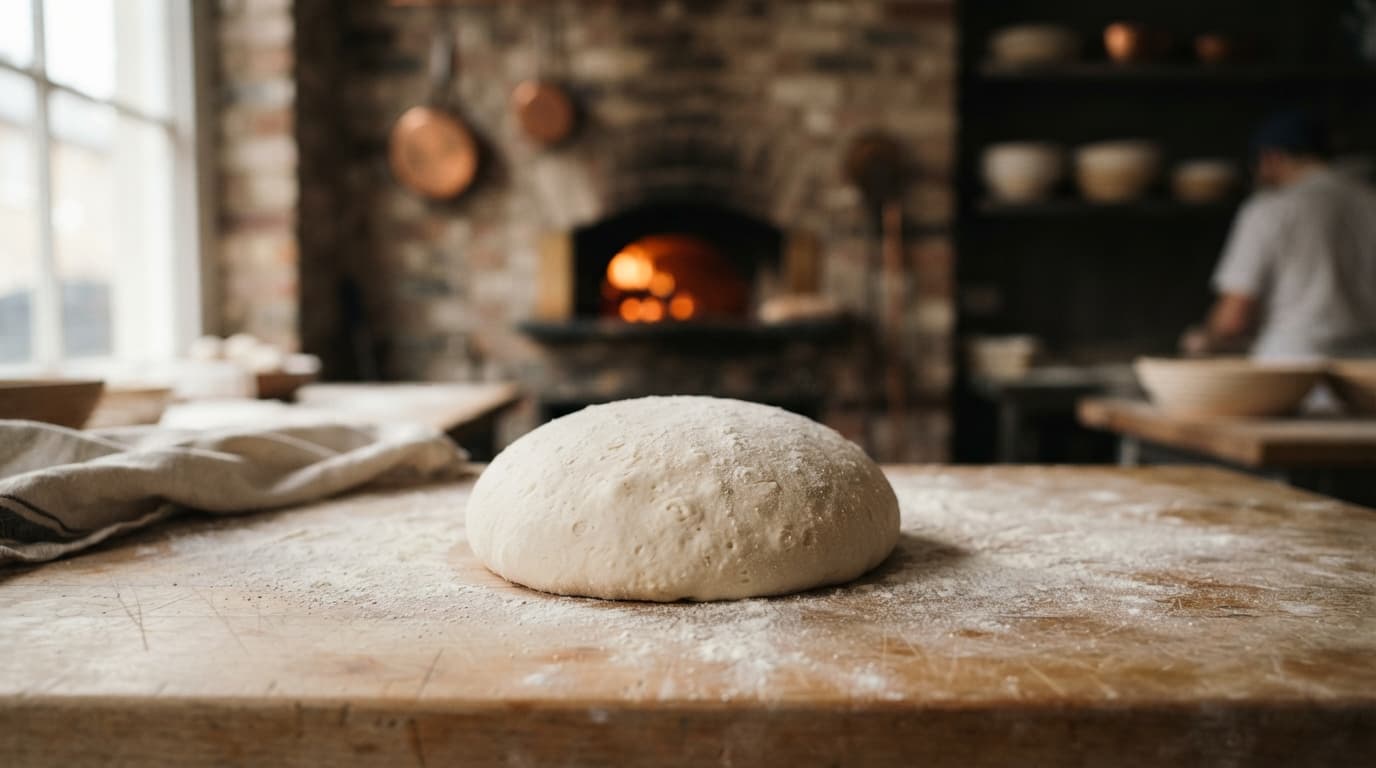
Bread flour runs roughly 12-14 percent protein versus all-purpose's 10-12 percent, and that gap is what gives a crust more chew. Here's when it actually matters.
9 min read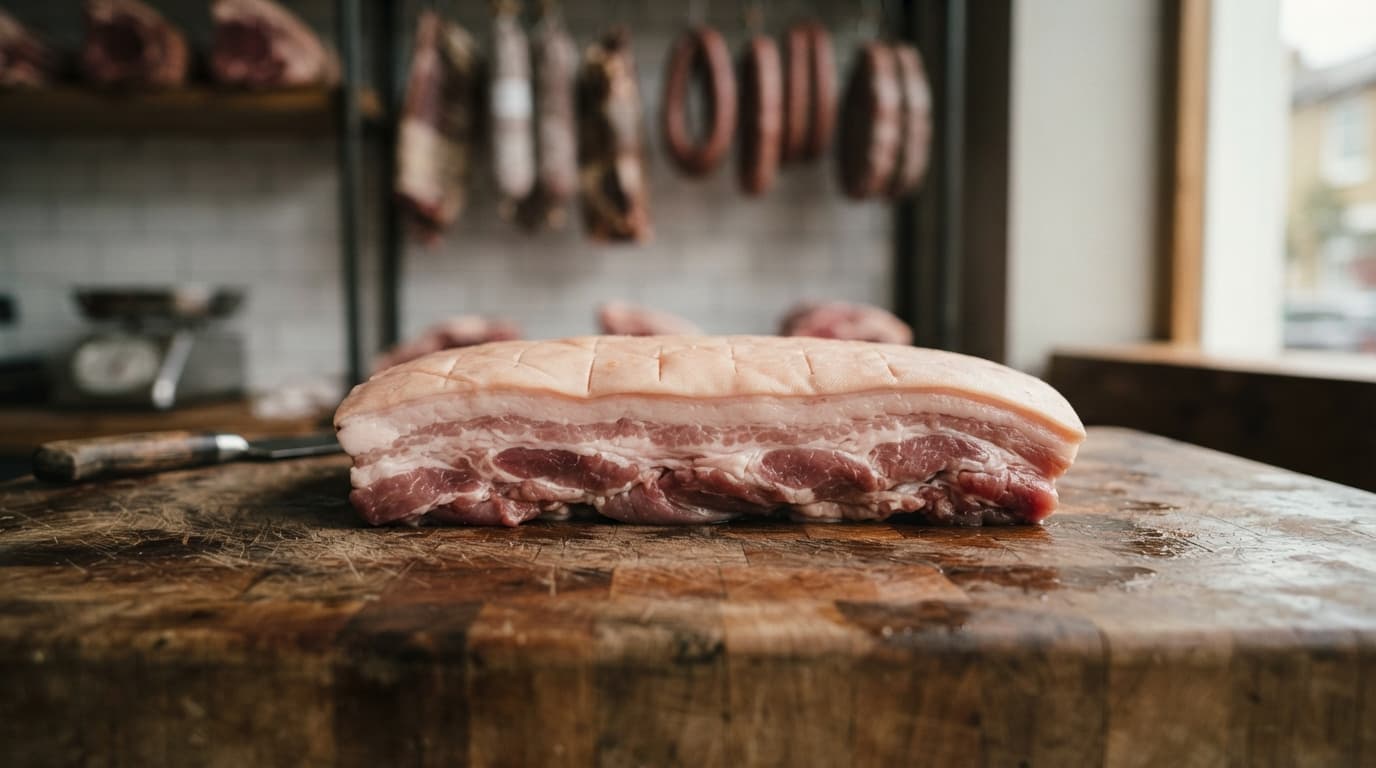
Pork belly shows up at large supermarkets, warehouse clubs, Asian grocery stores, and butcher counters, though selection and cut style vary a lot by store type.
9 min read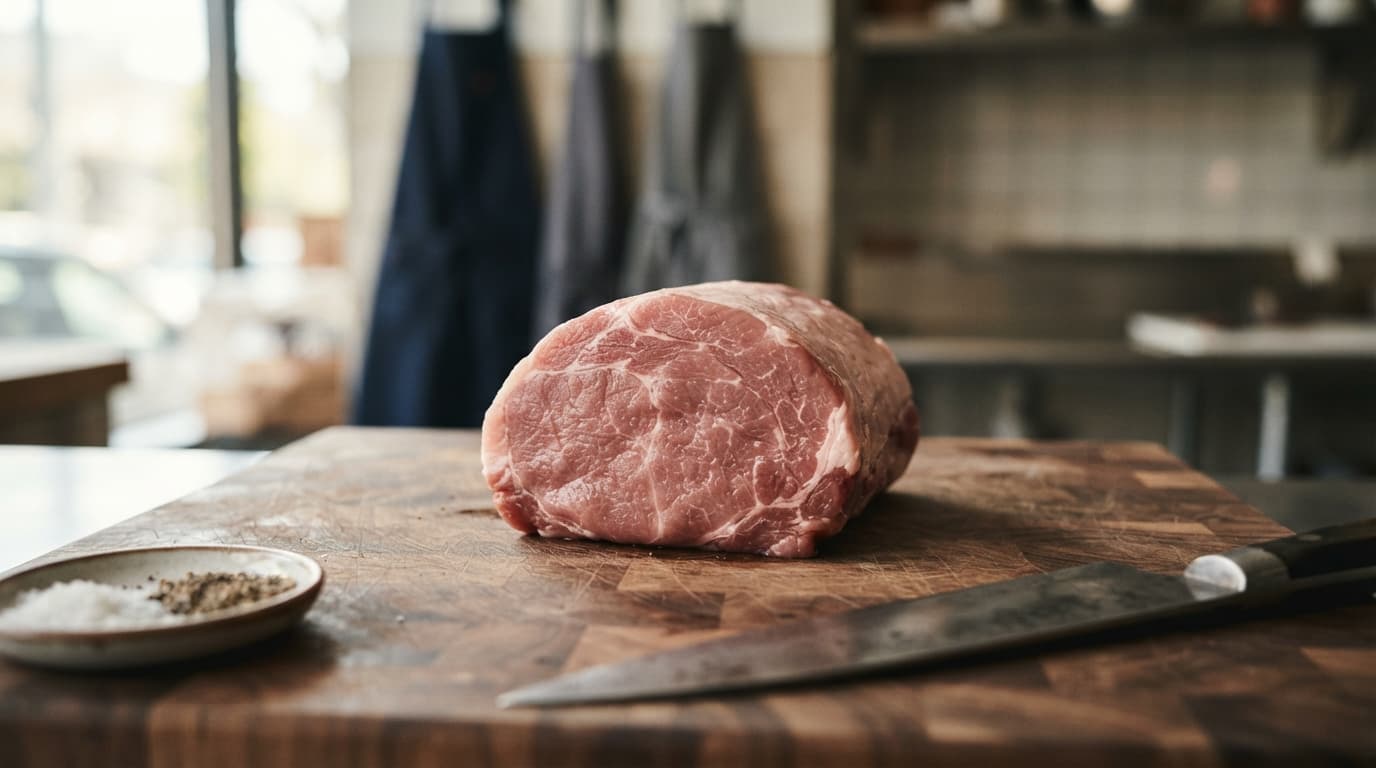
Pork cushion meat is a boneless cut from the picnic shoulder, officially known as IMPS 405B. It's lean, well-worked, and best cooked low and slow, like pork butt.
9 min read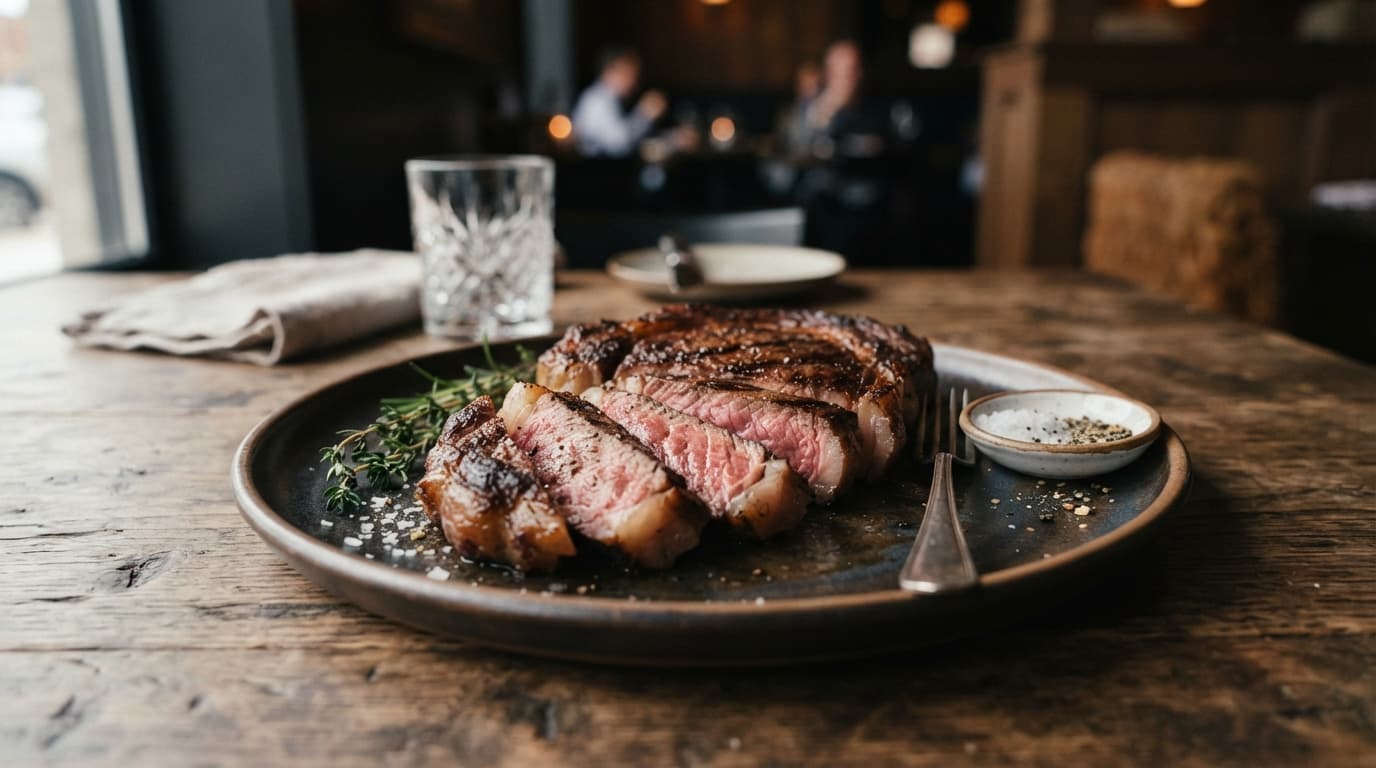
There's no fixed answer. Delmonico traces to a famous 1800s New York restaurant, but the name has been applied to ribeye, strip, and other cuts ever since.
9 min read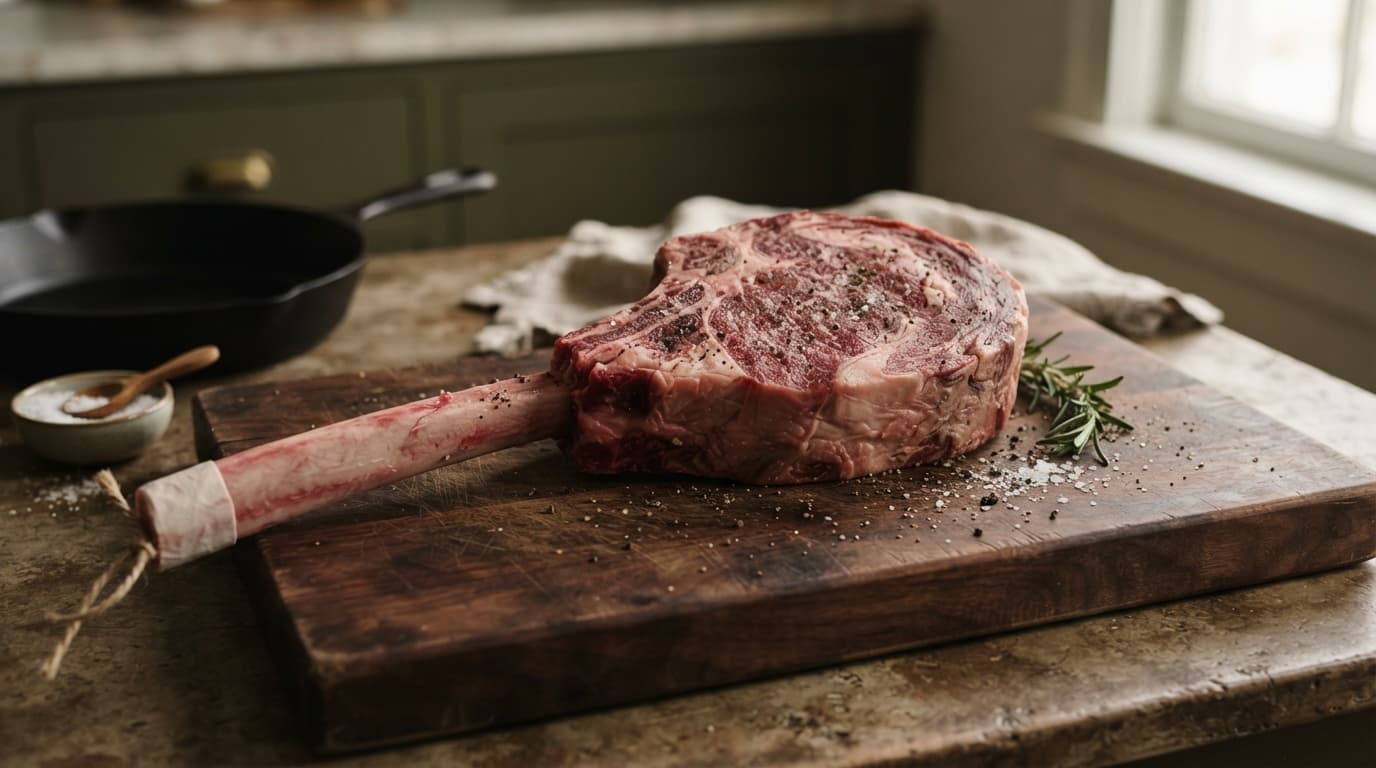
A tomahawk steak is a bone-in ribeye with the full rib bone left long and frenched, generally around 2 inches thick. It's the same ribeye meat, cut differently.
9 min readShukette sits near the High Line and the West Chelsea gallery district. Here's how to build a full evening in Chelsea around a dinner reservation.
9 min readShukette sells e-gift cards through Toast, its point-of-sale platform. Buy one on Shukette's own Toast page or in person, in any amount you choose.
8 min readShukette takes private event inquiries through Perfect Venue or by calling the restaurant directly. Here's how to start that conversation and what to ask.
9 min read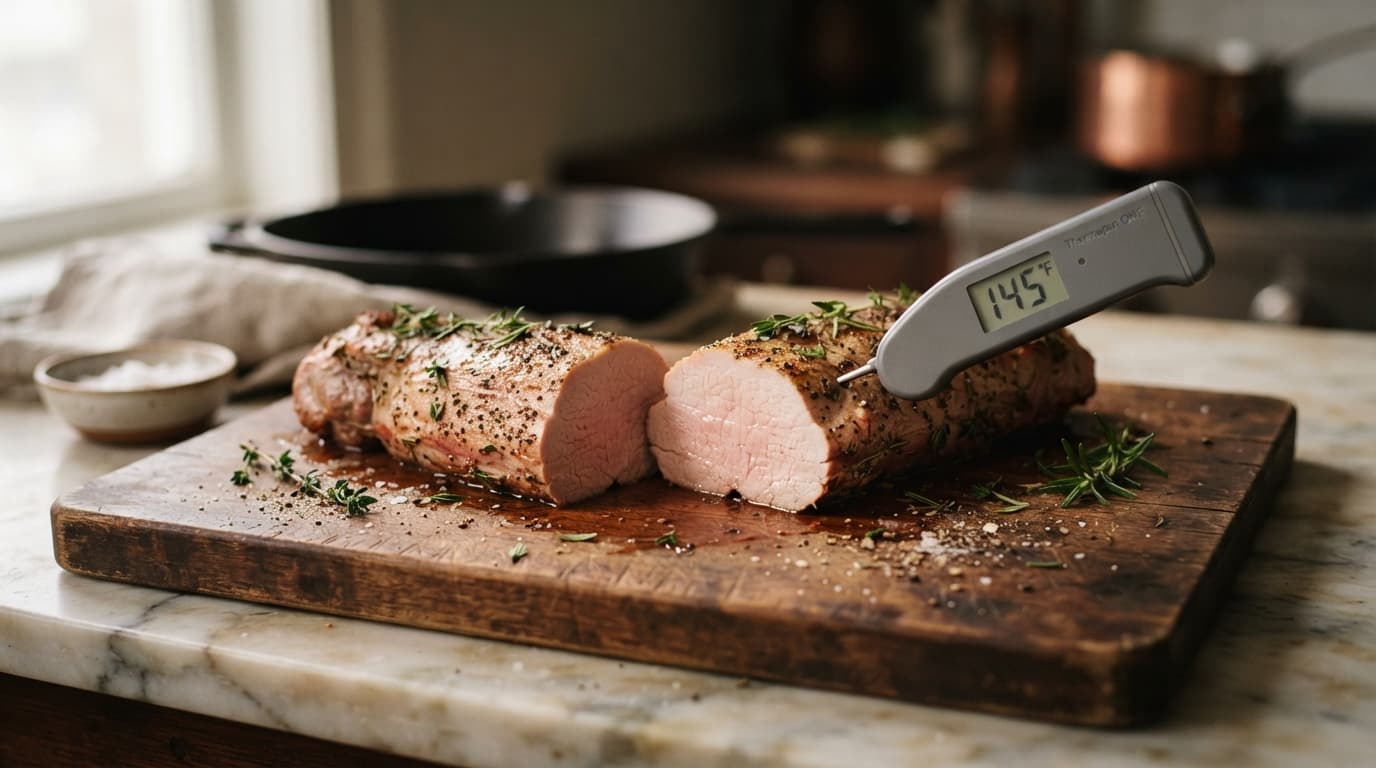
Pork tenderloin is done at 145°F, checked in the thickest part with a thermometer, then rested 3 minutes. Same number whether you grill, roast, or pan-sear it.
9 min read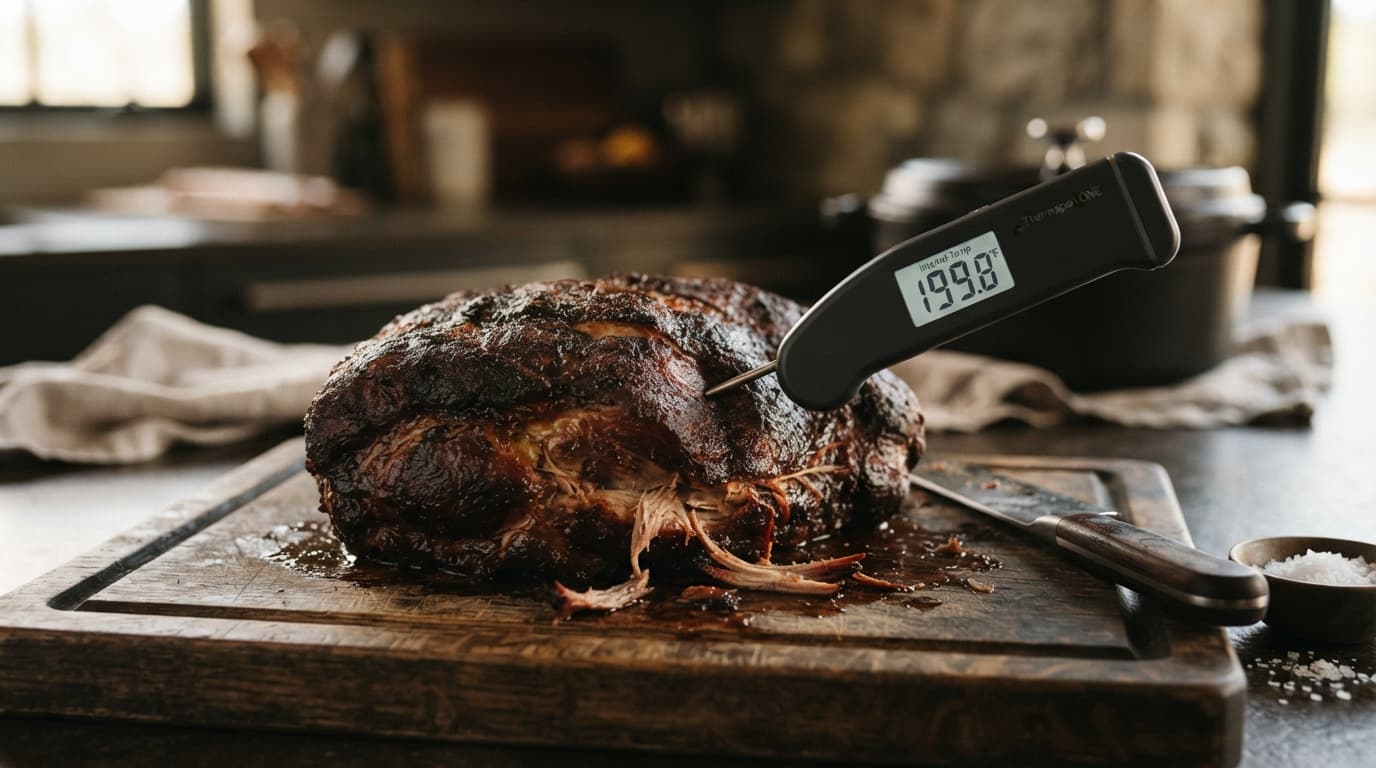
Pork butt is safe at 145°F, the USDA minimum, but pulled pork needs 195 to 205°F for the collagen to fully break down into tender, shreddable meat.
9 min read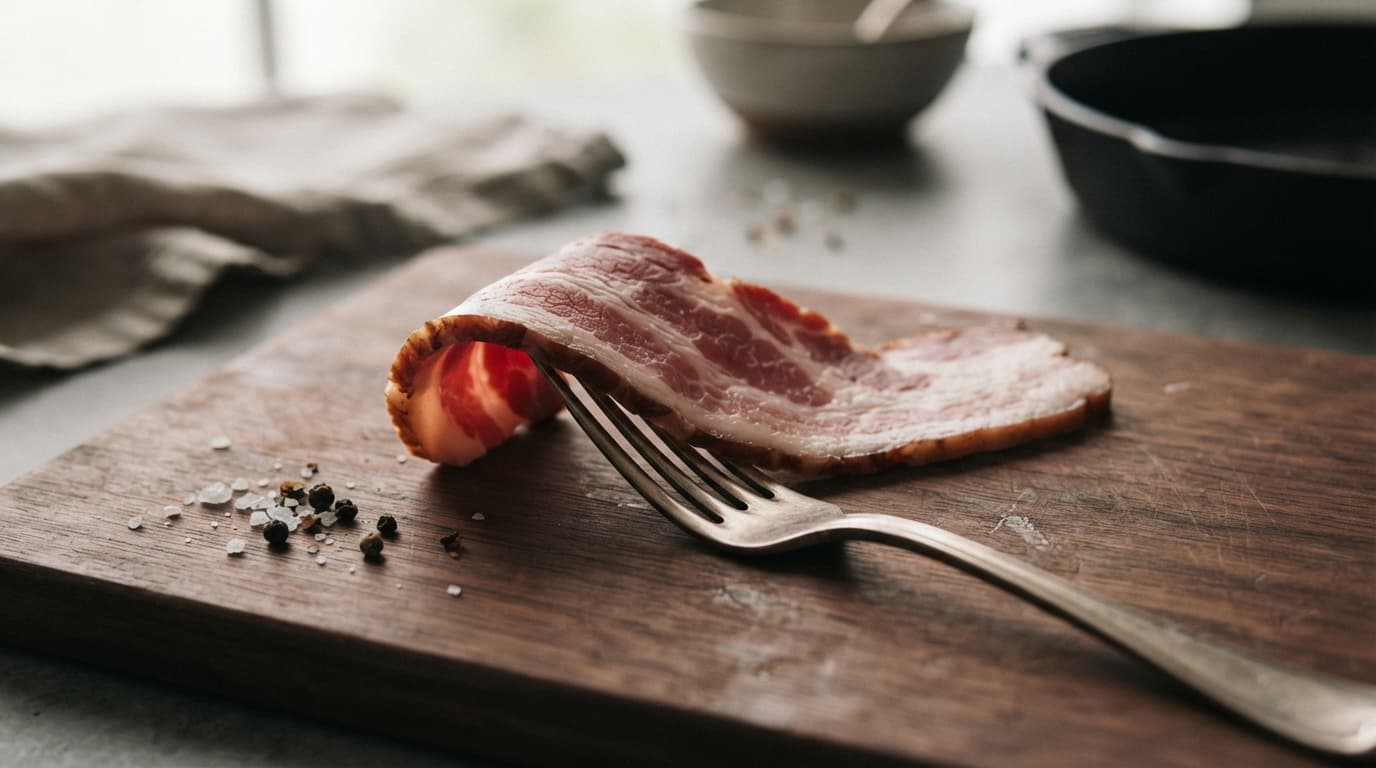
Bacon is done once fully opaque with no raw sections left, typically firm and browned. USDA sets no specific bacon temperature, but favors a thermometer over color.
9 min read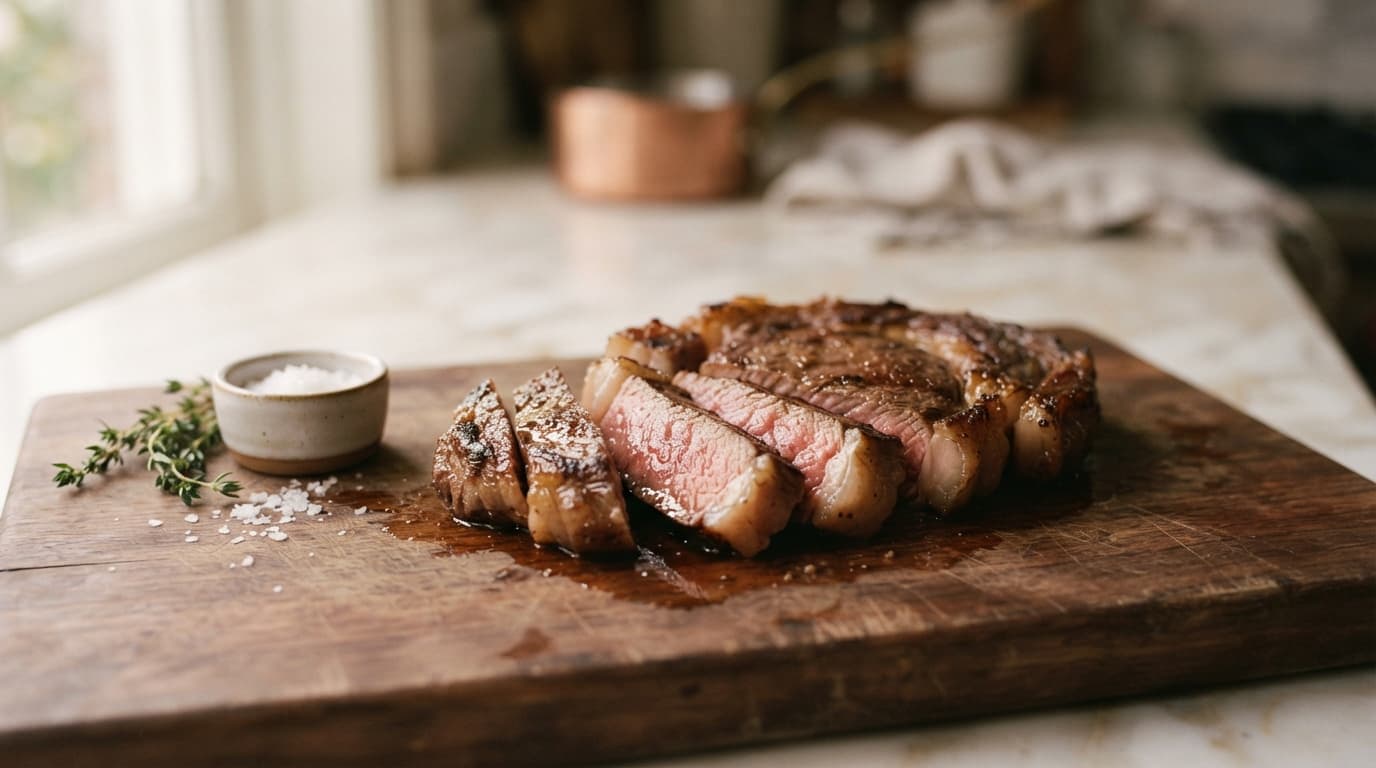
USDA calls for reheating leftovers to 165°F. Many popular steak techniques target a lower temperature for better texture, a real tradeoff worth knowing.
9 min read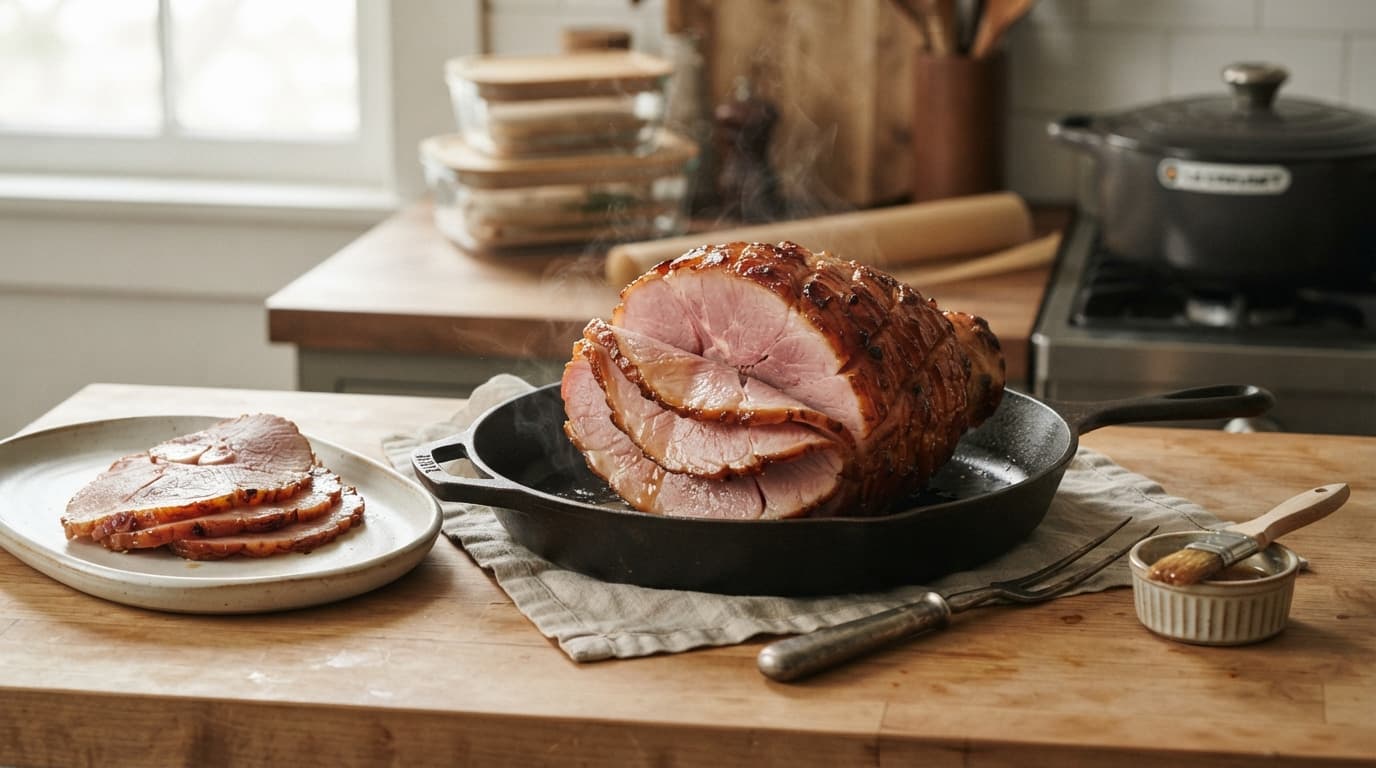
A fully cooked spiral ham is actually best served cold. If you do reheat it, cover with foil at 325°F, about 10 minutes per pound, and use leftovers within 3 to 4 days.
9 min read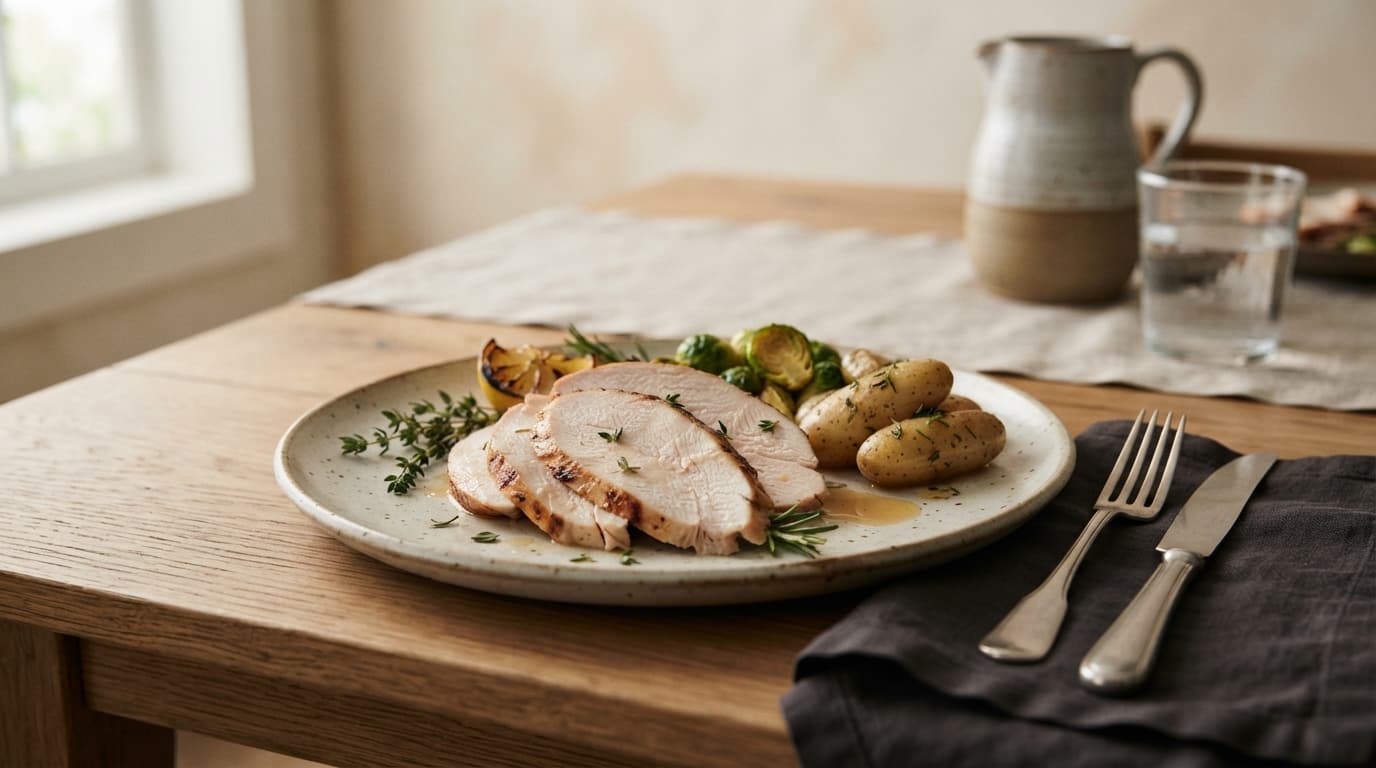
Plan on 3/4 to 1 pound of boneless turkey breast per person, less than the USDA's 1 to 1 1/4 pounds for whole turkey, since boneless meat has no bone weight.
10 min read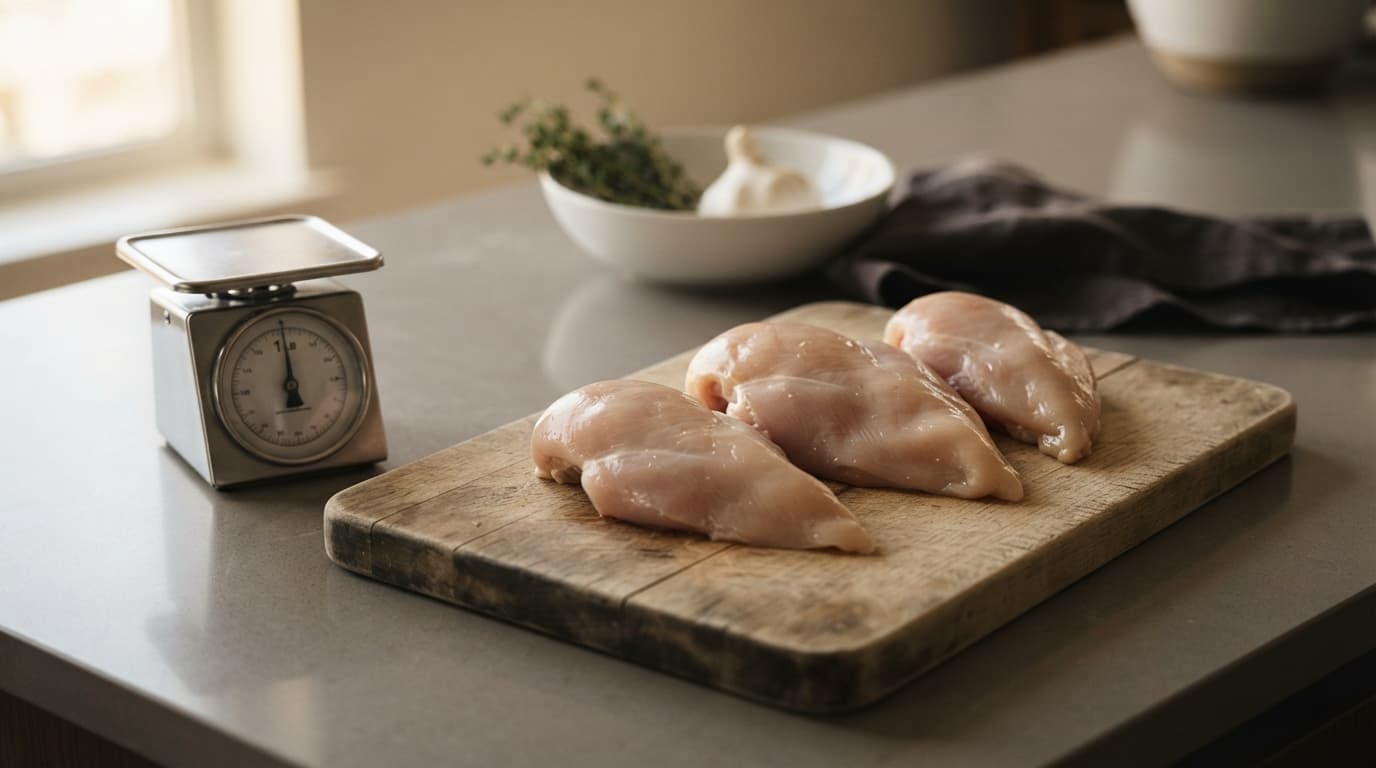
A pound of boneless chicken breast typically holds 2 to 3 pieces, since most breasts weigh 5 to 8 ounces. Size varies enough that weighing beats counting for a recipe.
10 min read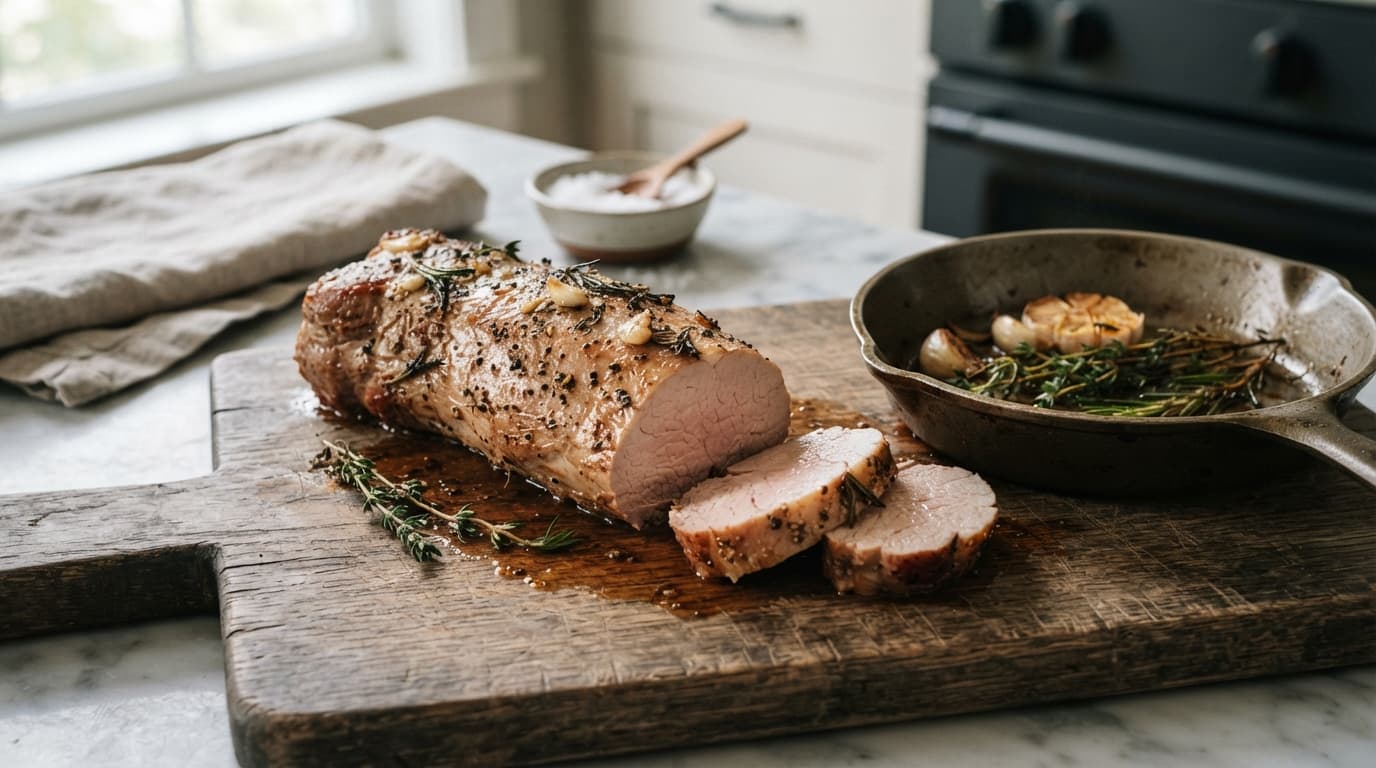
FoodSafety.gov's chart is built around 425-450°F, giving 20 to 27 minutes. At 400°F specifically, expect a bit longer. Confirm 145°F either way.
8 min read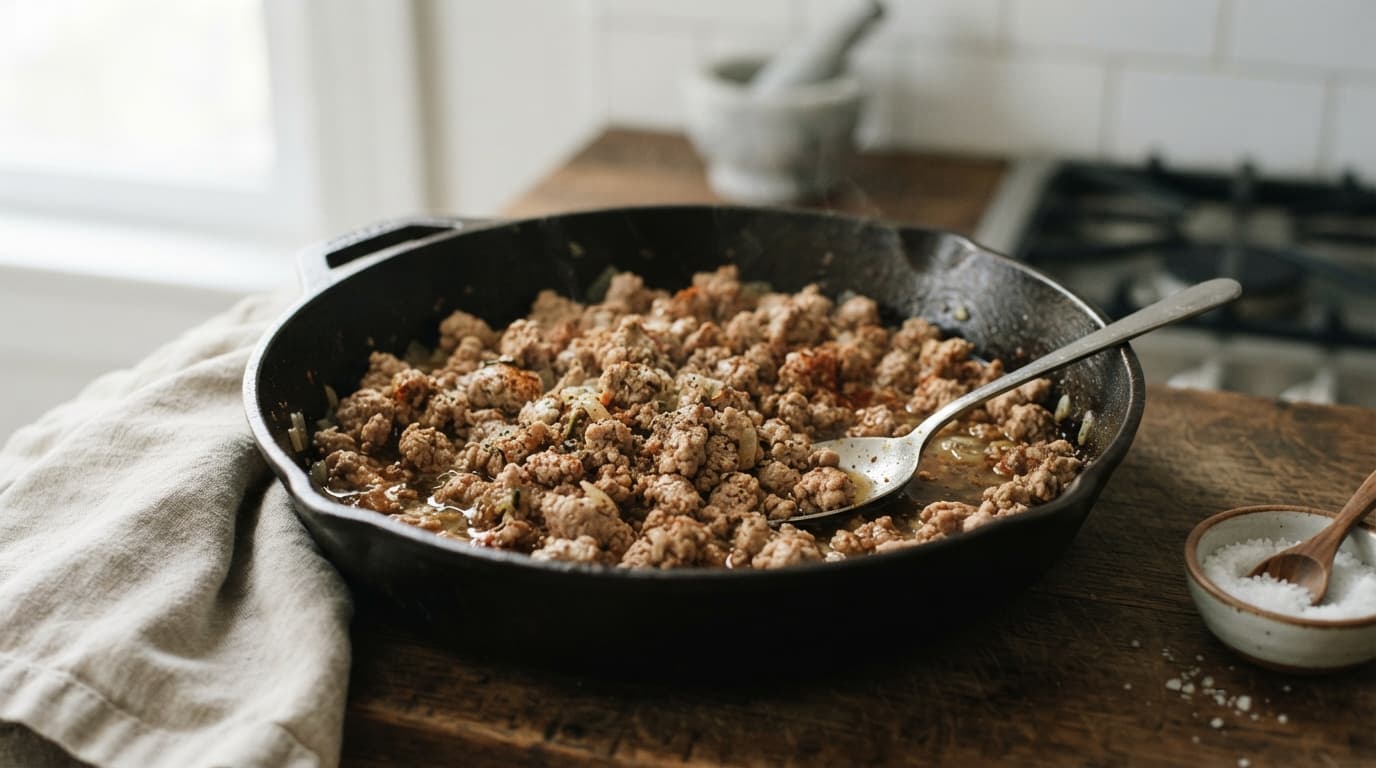
Ground turkey needs about 7 to 10 minutes over medium heat, but time is only a guide. The real requirement is 165°F all the way through, confirmed with a thermometer.
9 min read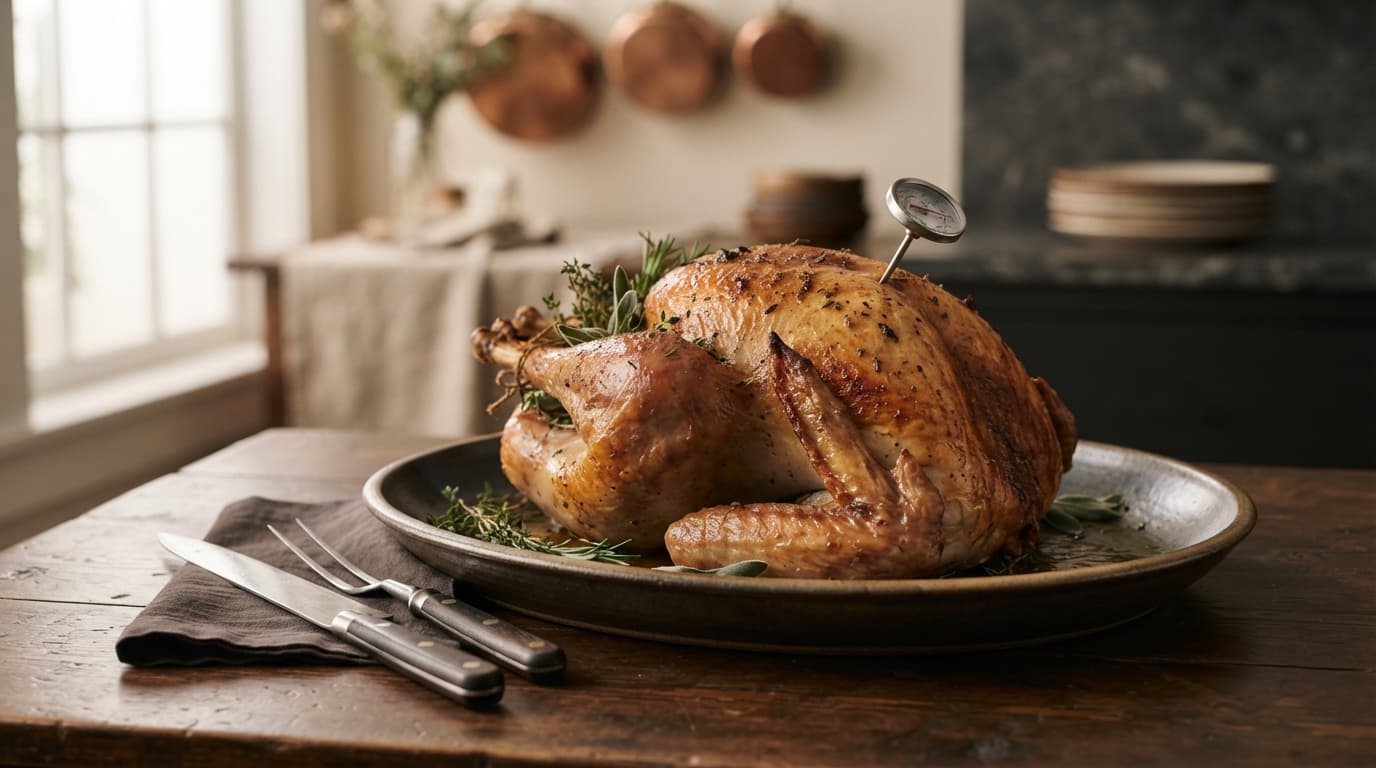
FoodSafety.gov's chart puts a 20-to-24-pound turkey at 4 1/4 to 4 1/2 hours unstuffed, based on 325°F, not 350°F. Check three spots for 165°F before serving.
9 min read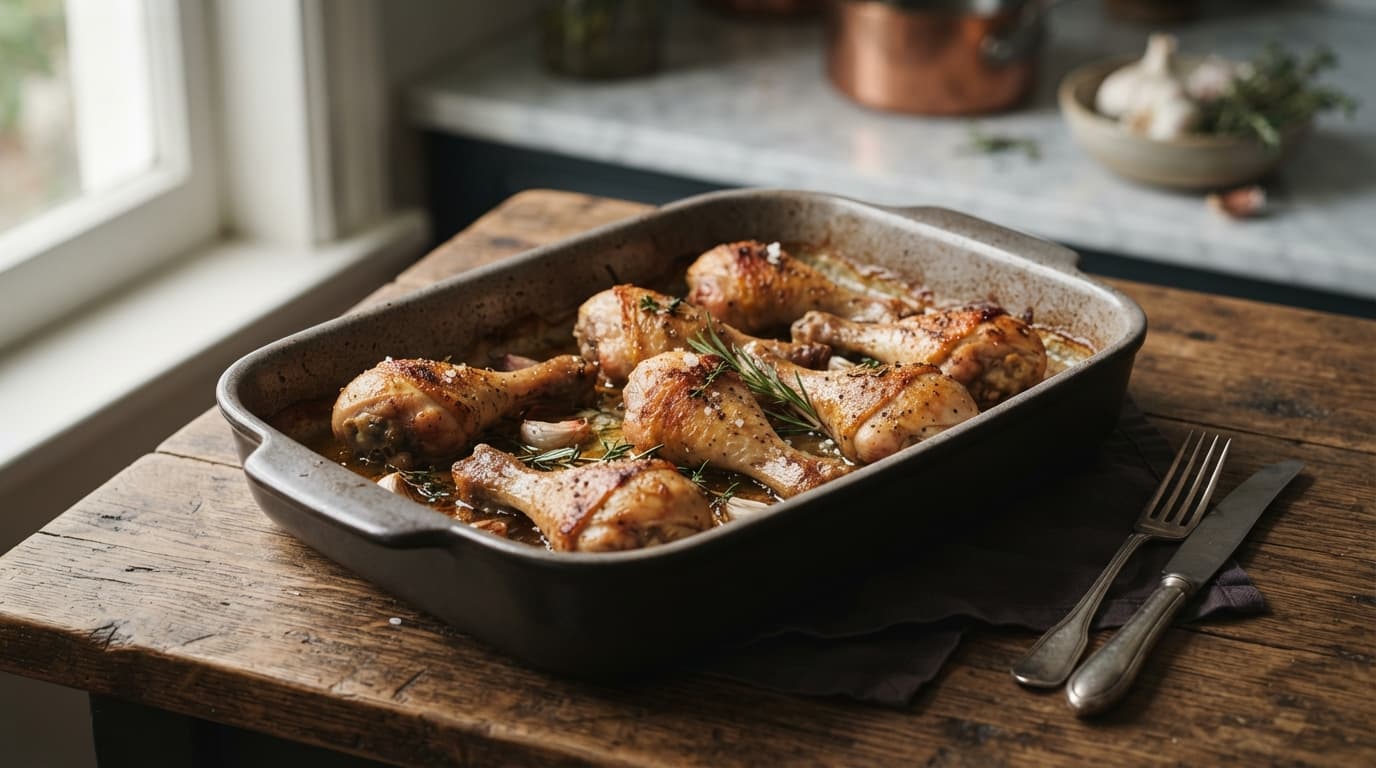
Chicken drumsticks typically take 35 to 45 minutes at 400°F, based on common practice rather than an official USDA chart. Confirm 165°F with a thermometer either way.
9 min read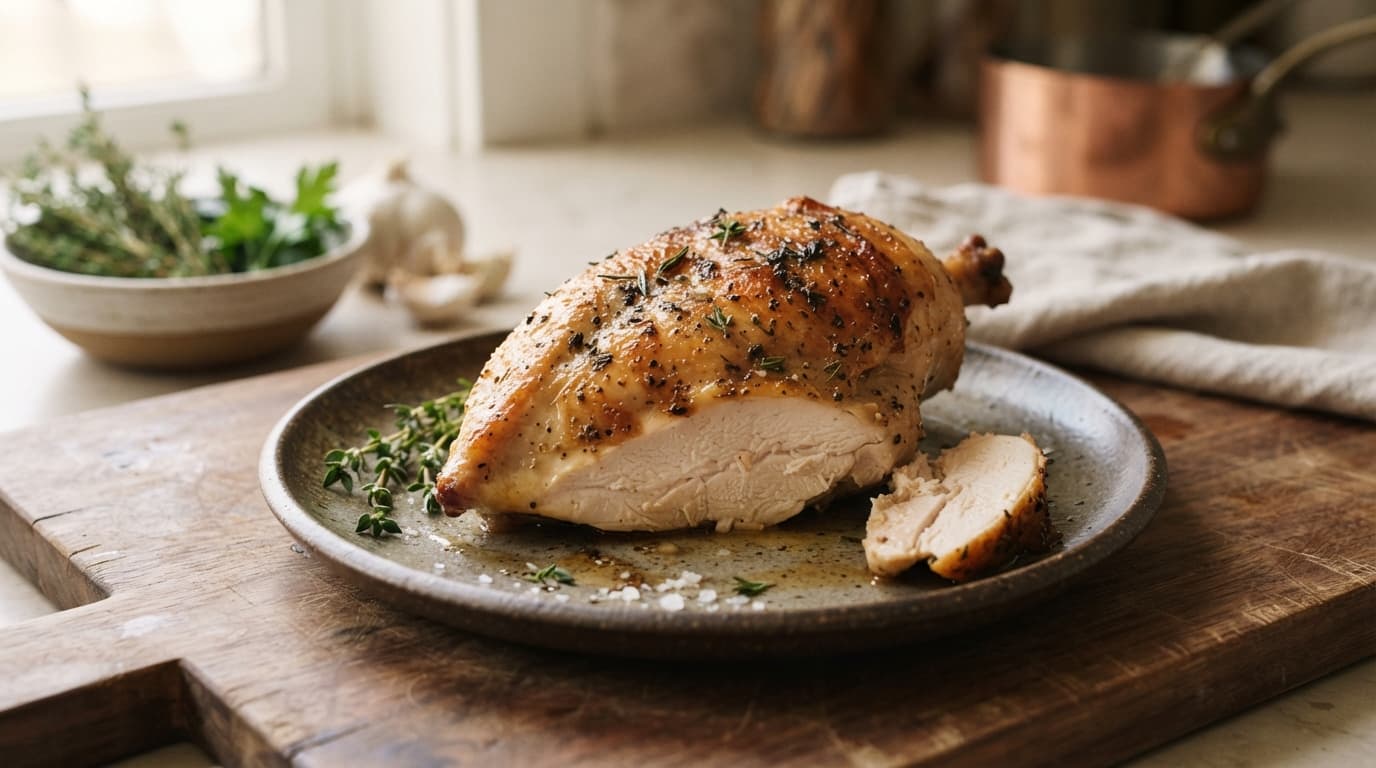
A 4-ounce boneless chicken breast takes 30 to 40 minutes at 350°F, per FoodSafety.gov's chart. Bone-in breasts take longer. Either way, check for 165°F.
9 min read
Chicken generally leaves the stomach in two to four hours, then spends more time in the small intestine. Full digestion, start to finish, runs closer to a day or two.
10 min read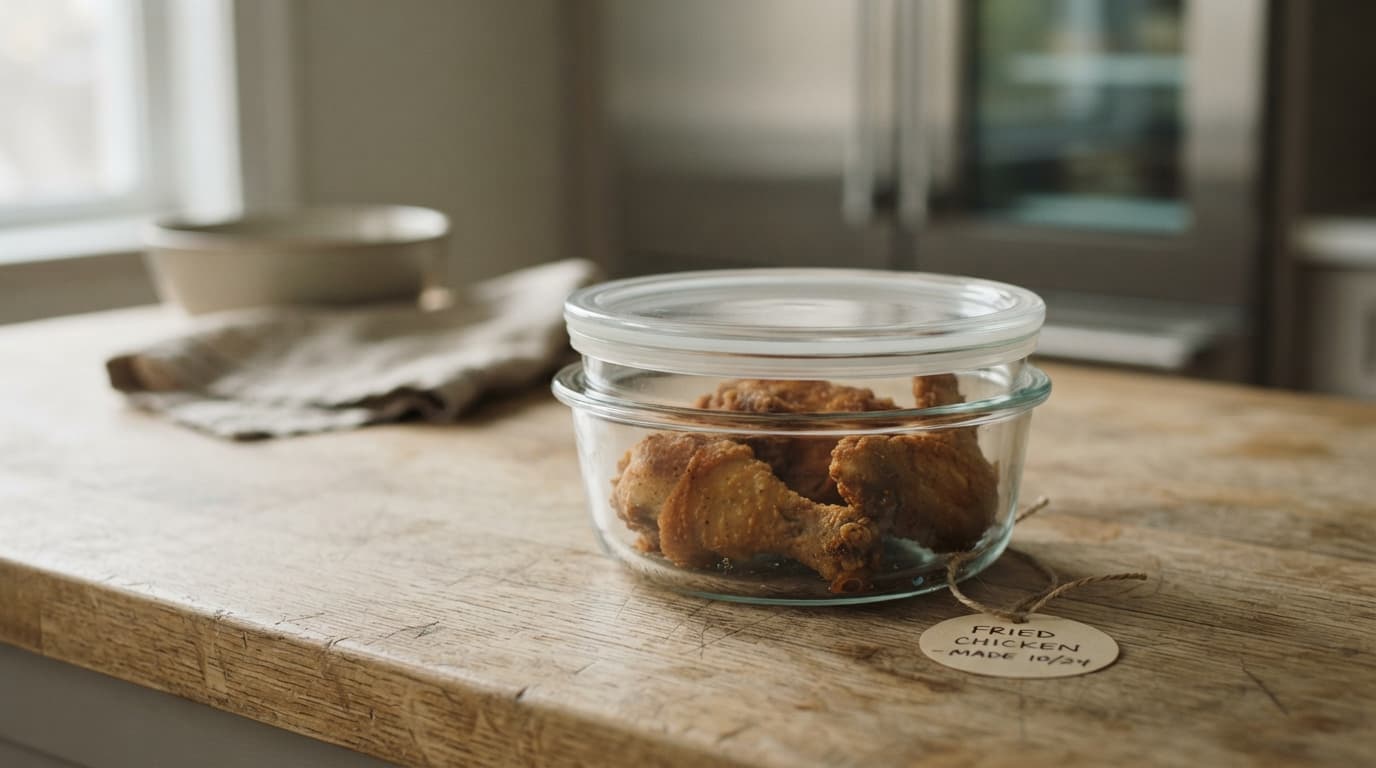
Fried chicken keeps for three to four days refrigerated, the same window the USDA sets for any cooked poultry leftovers, once it's cooled and stored properly.
9 min read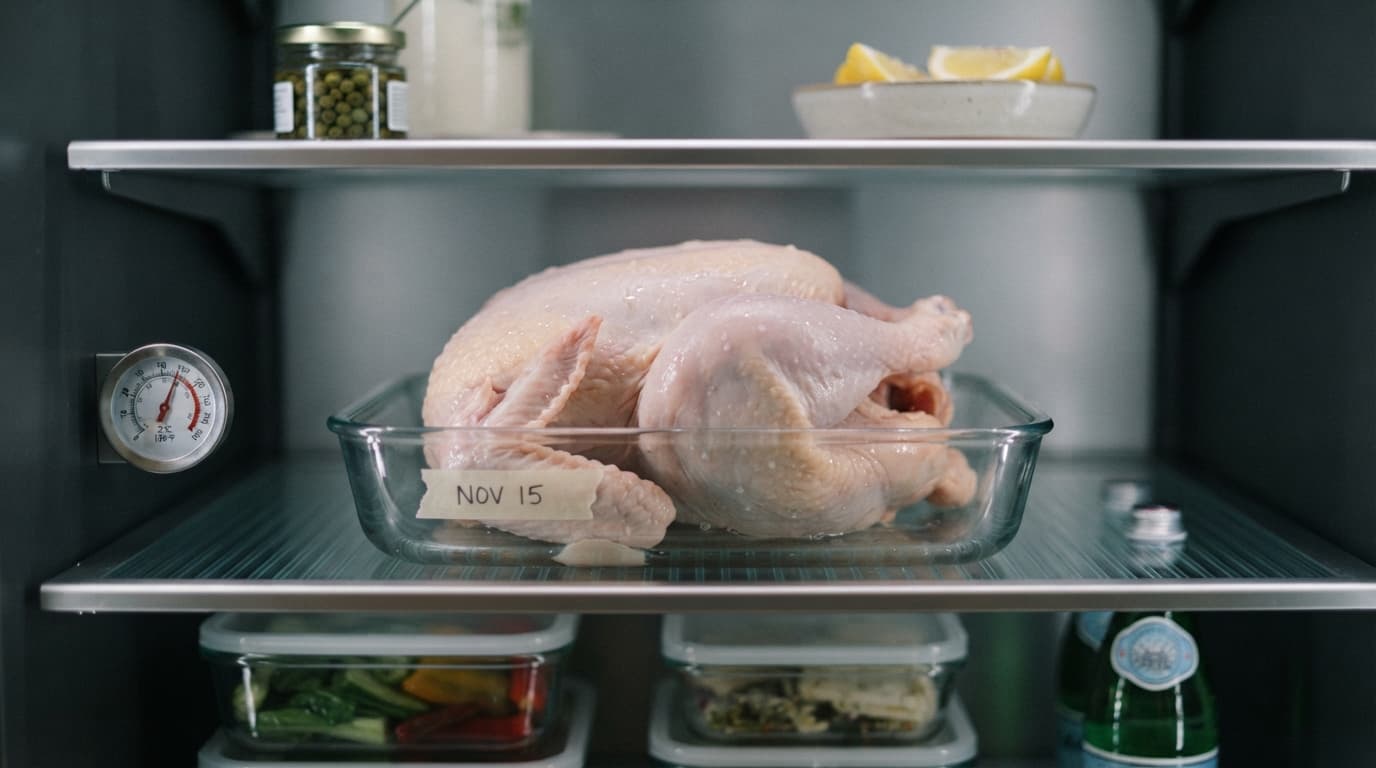
Chicken thawed in the refrigerator stays safe for one to two more days before cooking. Chicken thawed in cold water or the microwave needs to be cooked right away.
9 min readShukette's dip and Shuk sections are vegetarian-friendly, though many dishes rely on dairy like labneh or feta. Here's the actual meat-free breakdown.
11 min read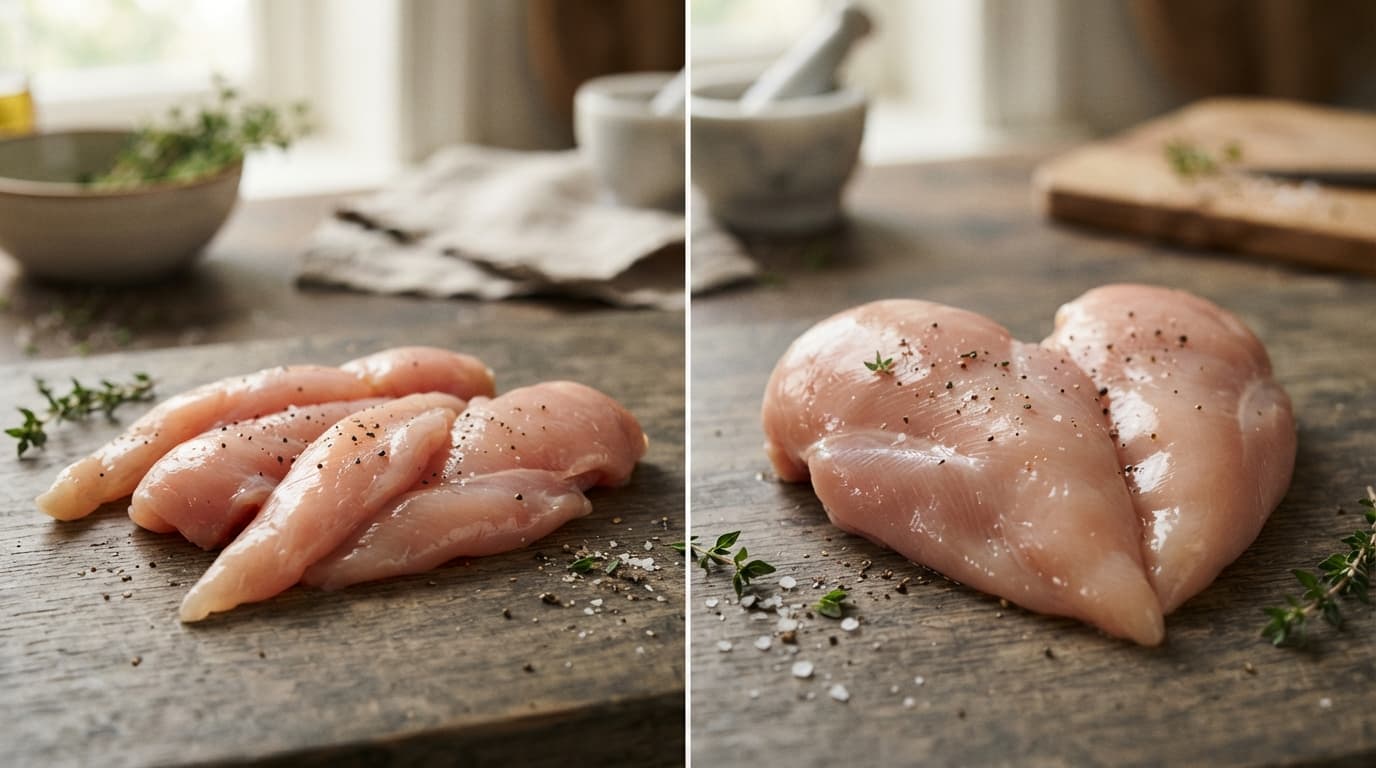
Chicken tenderloins are a separate muscle underneath the breast, not a smaller cut of the same piece. Both need 165°F, but they cook at different speeds.
9 min read
Chicken left out overnight, cooked or raw, should be thrown away. USDA guidance says food above 40°F for more than two hours isn't safe, even if cooked again.
9 min read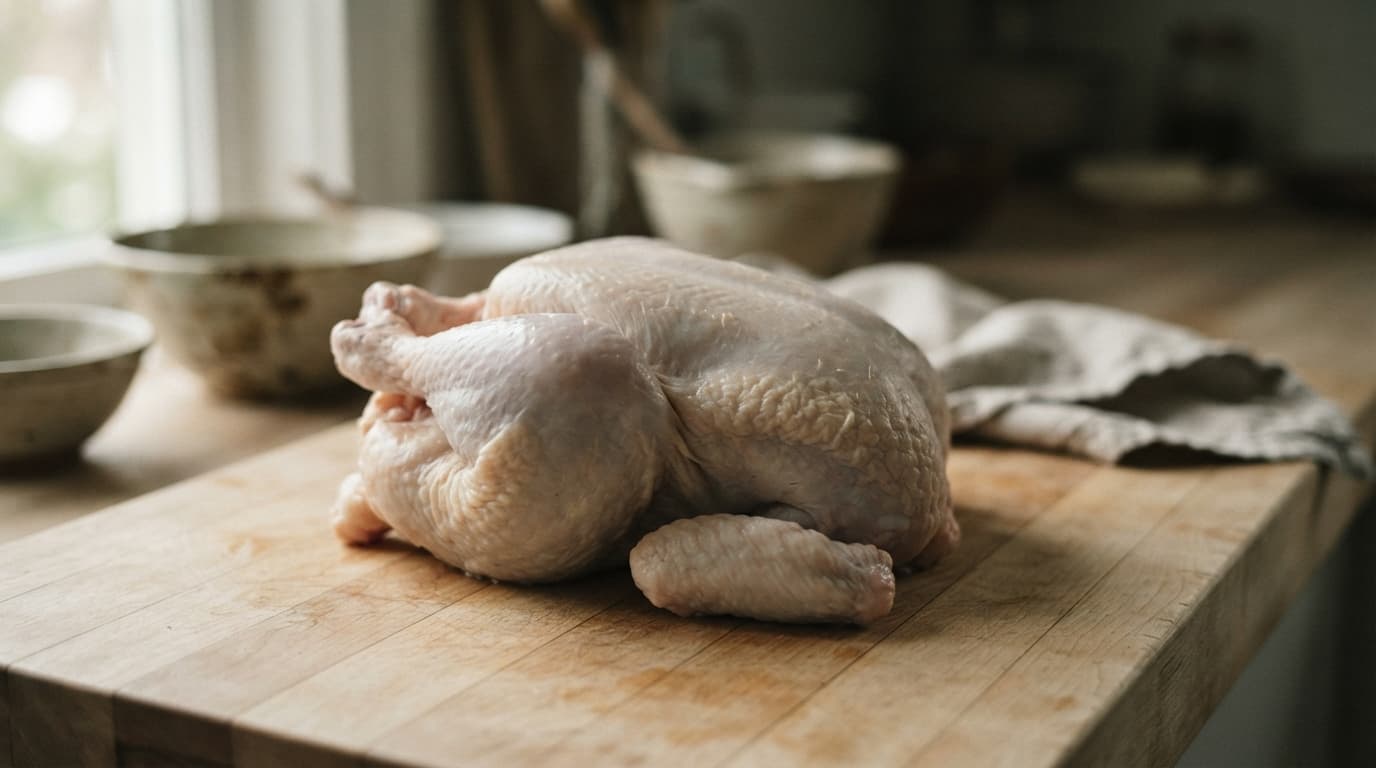
For Catholics, no. Good Friday requires abstaining from meat and eating less overall. Other Christian traditions observe the day quite differently.
9 min read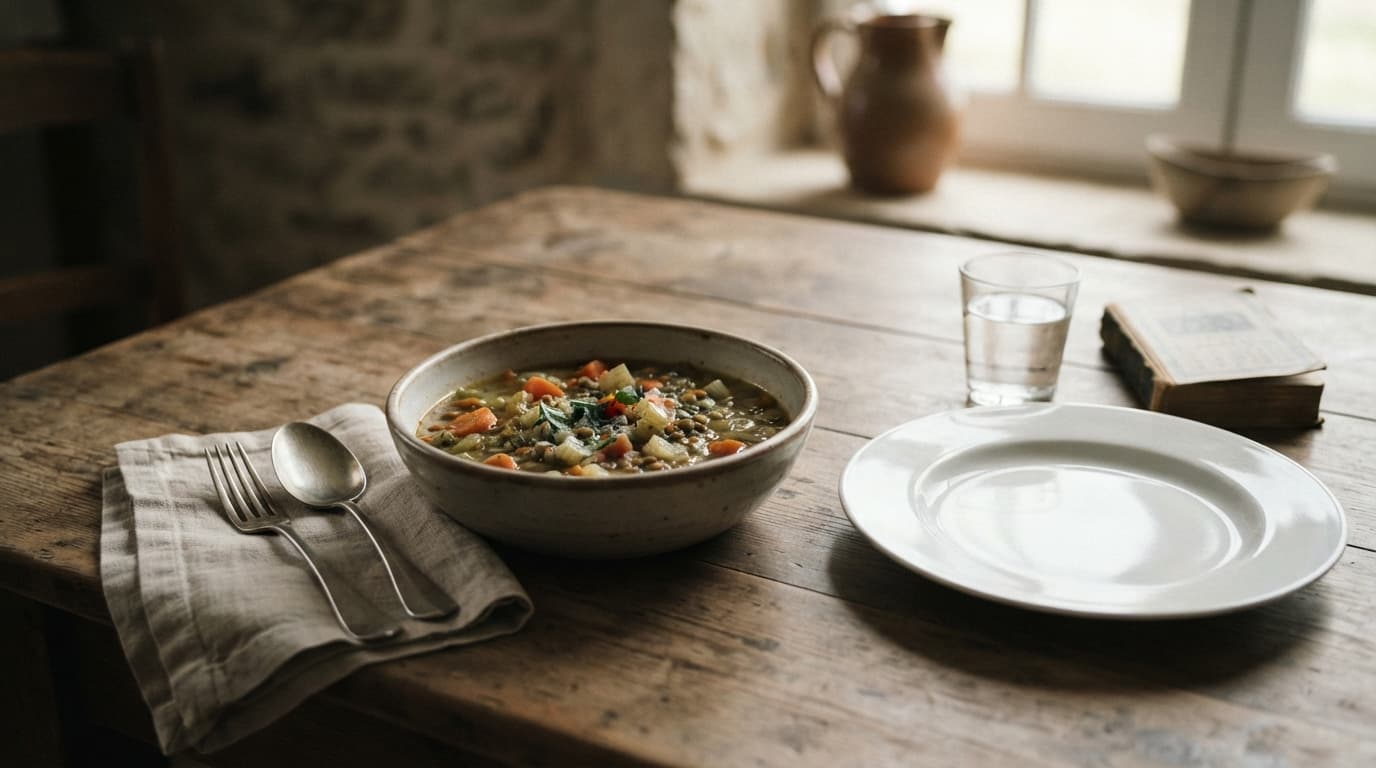
Yes, on most days. Catholic abstinence rules restrict meat only on Fridays during Lent, not the entire season. Weekdays and Sundays in between are unrestricted.
9 min read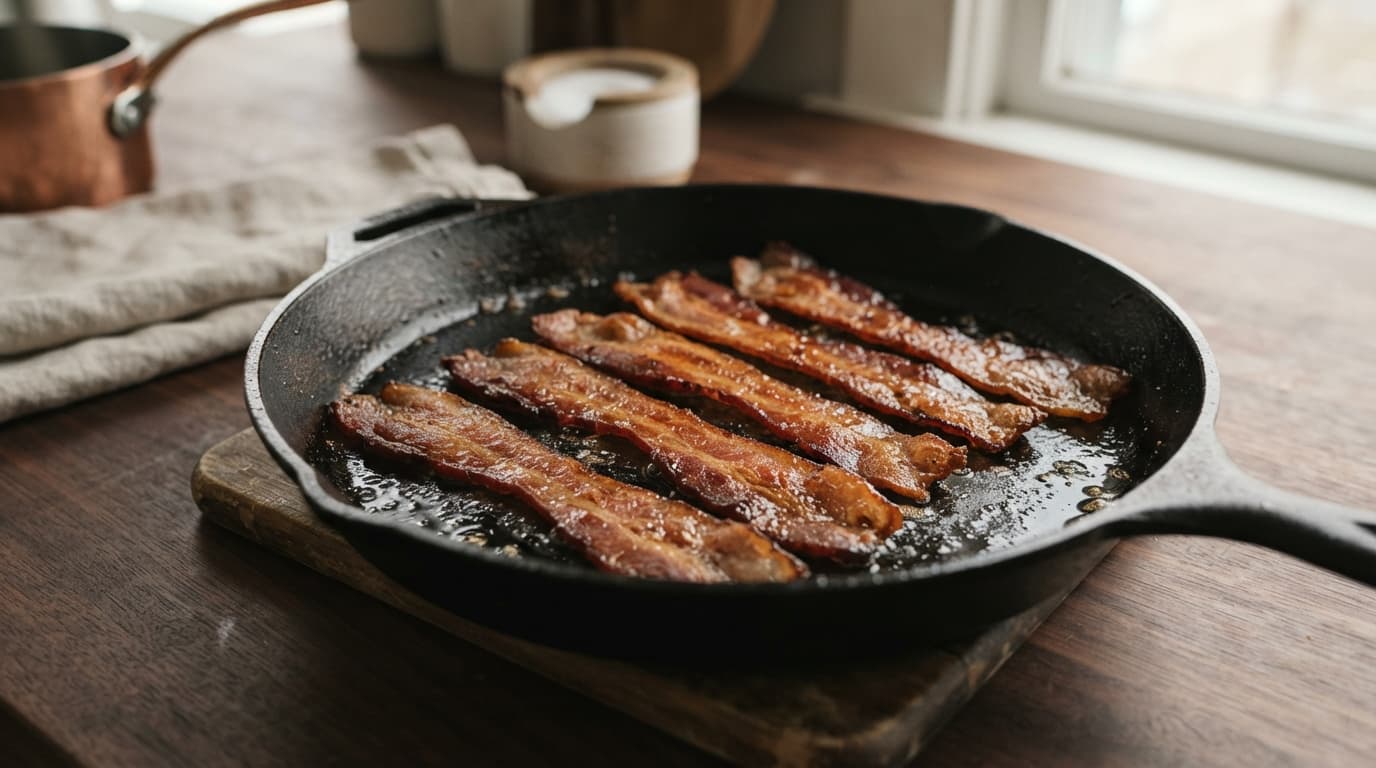
No. Bacon gets some heat during smoking and curing, but USDA is explicit that this isn't enough to make it safe. It needs to be fully cooked before eating.
9 min read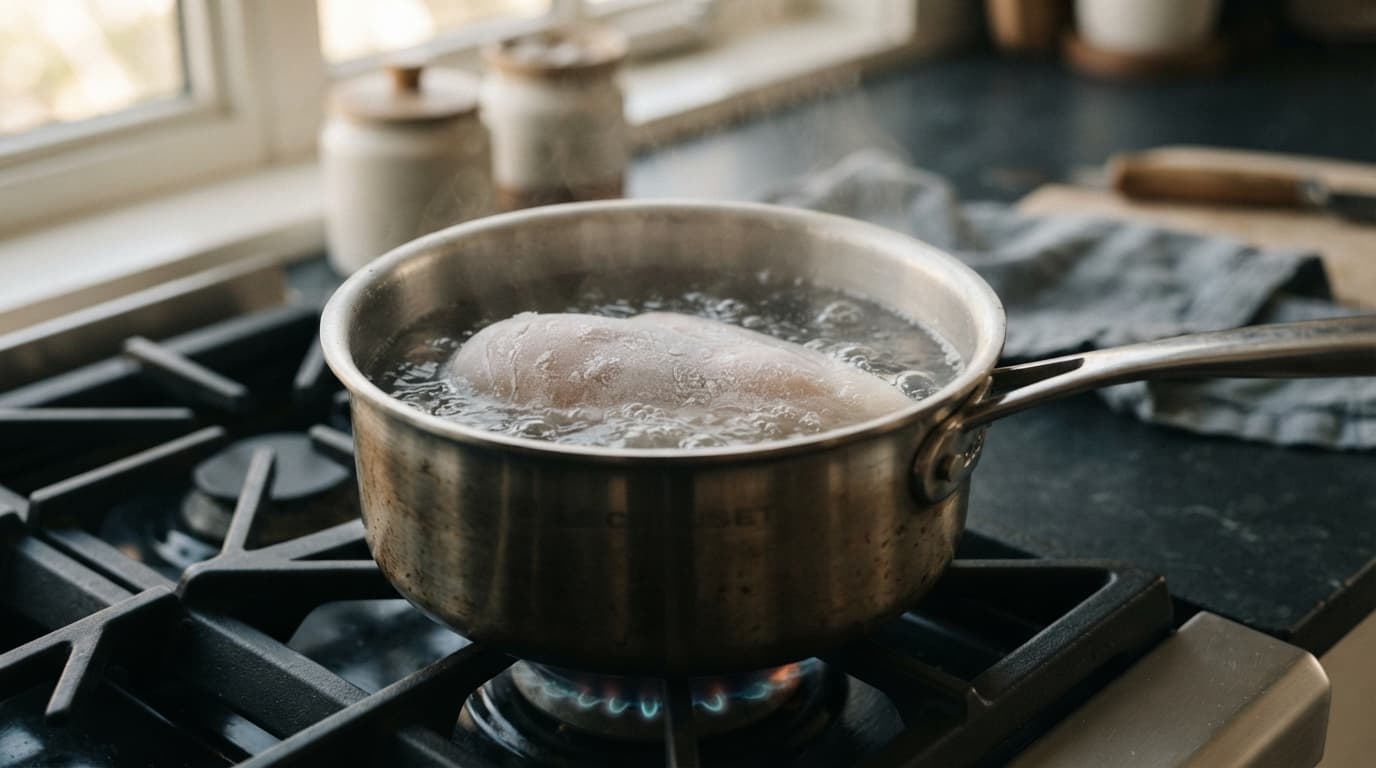
Yes, boiling frozen chicken is safe. The stovetop is one of the few methods USDA guidance approves for cooking straight from frozen, though it takes about 50% longer.
10 min read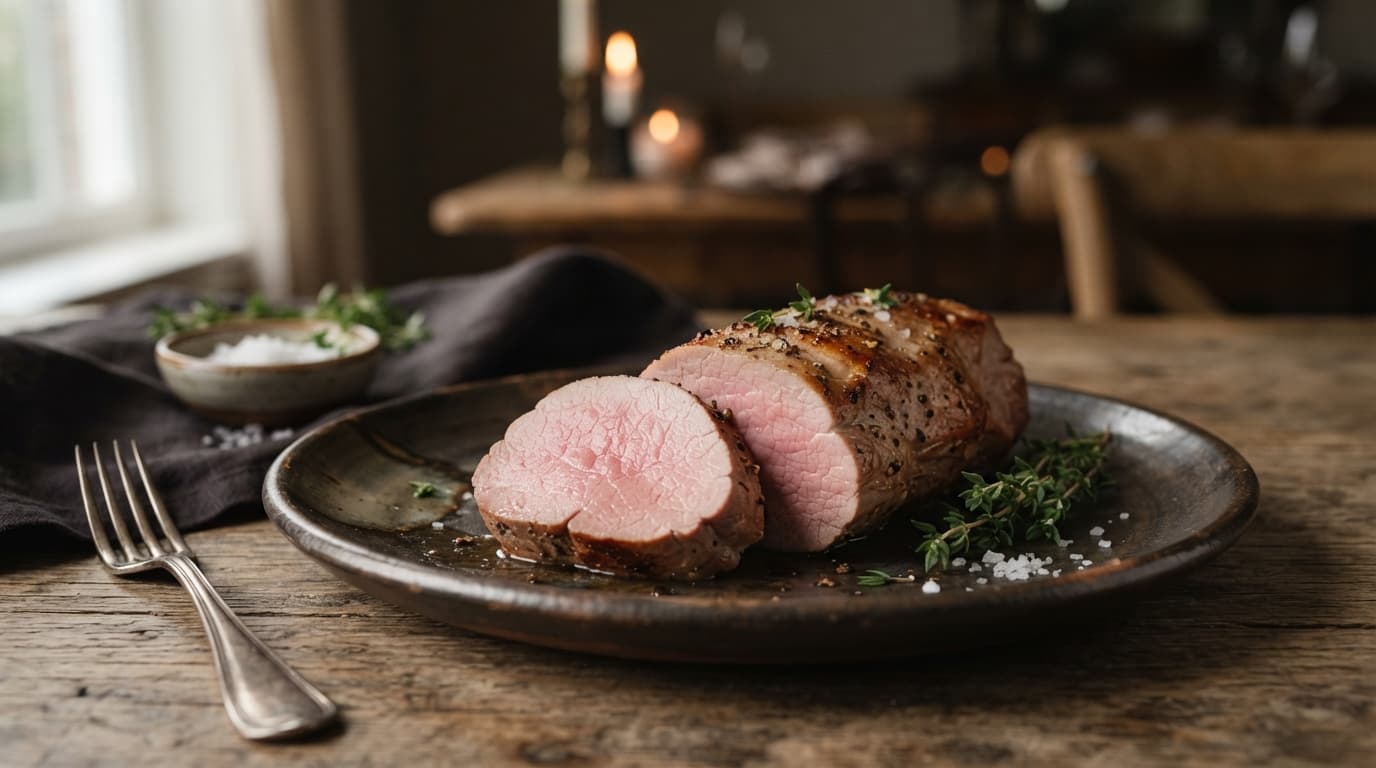
Yes. Pork tenderloin is safe at 145°F even with pink remaining, per USDA's 2011 update. Color doesn't indicate safety; a thermometer does.
9 min readA Shukette gift card works best for birthdays, client dinners, and housewarmings, three occasions where a loud room and a shared-plates menu actually help.
9 min read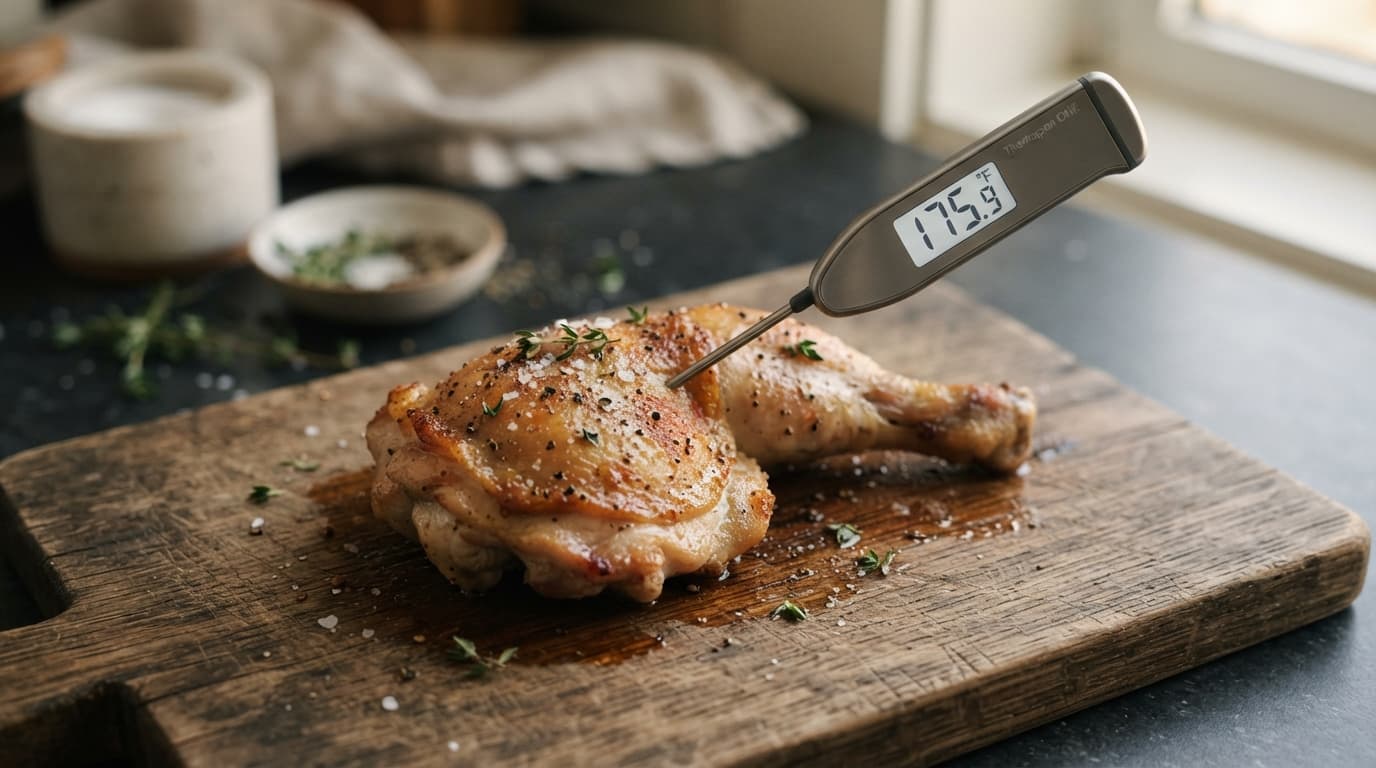
Chicken thighs are safe at 165°F, the USDA's minimum for all poultry, but most cooks take them to 175–185°F for better texture.
9 min readOrder the Frena first, then a dip, then let the grill decide the rest. Here's the ordering plan that actually works for a first visit to Shukette in Chelsea.
9 min readShukette's menu is modern Middle Eastern: mezze and dips first, then wood-fired grill mains, built for a table to share rather than for one entrée per person.
9 min readShukette releases new tables on Resy 14 days out, usually at midnight, and books online for parties of one to six. Here's how to actually land one.
9 min readFor a group of four or more at Shukette, build the order around both breads, three dips, two Shuk-section plates, and two grill mains split across the table.
9 min read