How to Tell If a Sweet Potato Is Bad
Editorial desk · 10 min read · Updated 2026-08-23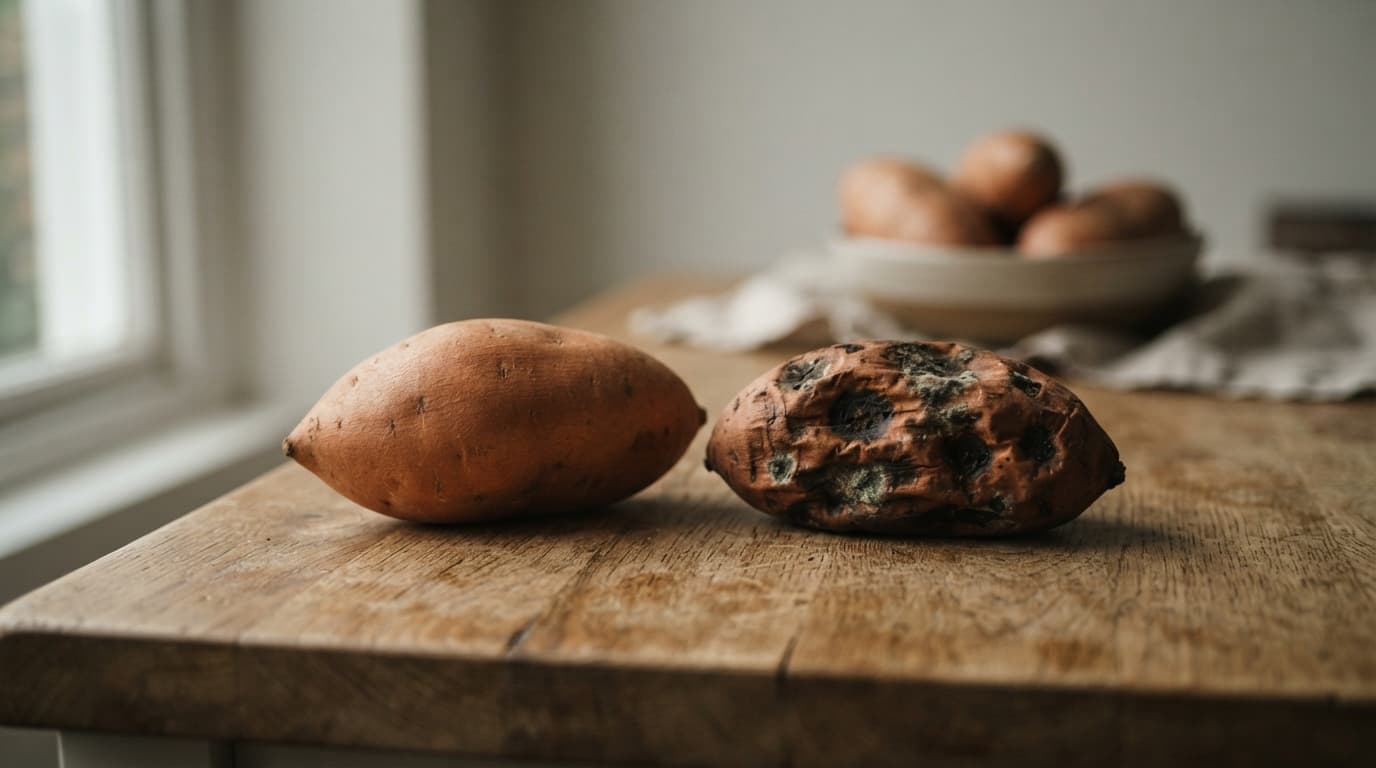
A bad sweet potato shows soft or mushy spots, visible mold, dark discoloration, wrinkled or shriveled skin, or a sour, off smell. Any one of those signs on its own is worth paying attention to; more than one together means it's time to throw the potato out rather than try to salvage it.
Sweet potatoes are sturdier than a lot of produce and can look a little rough while still being perfectly fine to eat, which makes it easy to either toss a good one too early or hang onto a bad one too long. Knowing which signs actually matter, and which ones don't, settles that question quickly.
The signs that actually mean a sweet potato has gone bad
Soft or mushy spots are one of the clearest indicators of spoilage. A fresh sweet potato should feel firm all over when you press it gently. A spot that gives way under light pressure, especially if it feels wet or squishy rather than just slightly softer than the rest, means decay has started at that point.
Visible mold is another unambiguous sign, whether it shows up white, black, or green. Mold on a sweet potato isn't limited to the surface the way it can sometimes appear on firmer produce; by the time you can see it, it's often reasonable to assume it extends further into the flesh than what's visible from the outside.
Dark discoloration, especially deep brown or black patches that weren't there when you bought it, points to internal breakdown, even if the spot doesn't feel notably soft yet. Wrinkled or shriveled skin is a sign the potato has lost significant moisture and is drying out from the inside, which usually comes with a noticeably lighter weight for its size and a less firm overall feel.
A slimy texture on the skin, and a sour, fermented, or otherwise off smell, are both strong signals on their own, even without any visible mold or soft spots yet. Trust your nose here about as much as your eyes; a sweet potato that smells distinctly sour or vinegar-like has started fermenting internally, and that smell alone is reason enough to discard it.
Trimming a small spot versus discarding the whole thing
A single small, isolated soft spot on an otherwise firm sweet potato is a judgment call most home cooks make without much drama, cutting around the spot and using the rest. This is a reasonable approach when the rest of the potato is firm, shows no mold anywhere else, and doesn't smell off.
Where this gets less clear-cut is when you can't tell how far a soft spot actually extends beneath the surface, or when there's more than one small spot rather than a single, contained one. In those cases, the safer choice is discarding the whole potato rather than trying to cut away enough of it to feel confident about what's left. There's no need to search for a precise measurement to guide the decision; if you're genuinely unsure, that uncertainty itself is the signal to just start with a fresh potato instead.
This same logic doesn't apply once mold, sliminess, or an off smell is present anywhere on the potato. Those signs indicate the kind of spoilage that isn't reliably contained to one visible spot, so trimming around them isn't the same kind of reasonable judgment call that trimming a simple soft spot is.
Sprouted sweet potatoes: a genuinely different situation than white potatoes
If your sweet potato has grown small sprouts, often called "slips," from stored eyes on its skin, that alone doesn't mean it's gone bad. As long as the rest of the potato is still firm and shows none of the other spoilage signs above, a sprouted sweet potato is safe to eat. You can simply remove the sprouts before cooking, the same way you'd trim away a small blemish.
This is worth stating clearly because it runs against what a lot of people have learned about regular white potatoes, where sprouting is treated as a real warning sign. That difference comes down to plant biology, not inconsistent food-safety advice. White potatoes are nightshades, and sprouting triggers increased production of solanine, a natural toxic compound that can cause illness in large enough amounts, which is why heavily sprouted white potatoes with green-tinged skin are a genuine concern.
Sweet potatoes aren't nightshades at all, and they don't produce solanine. A sprout on a sweet potato is simply a sign the potato is trying to grow, the same instinct that would eventually let it become a new plant if left in soil, not a sign of an internally toxic response the way sprouting is for white potatoes. Treating the two the same, and tossing every sprouted sweet potato out of caution learned from white potatoes, throws away a lot of perfectly good food unnecessarily.
A green-tinged, heavily sprouted white potato and a sprouted-but-otherwise-firm sweet potato call for two different responses, even though they look like similar situations at a glance. One is genuinely a signal to be cautious about; the other is mostly cosmetic.
Sweet potato flesh color, whether orange, white, or purple depending on the variety, doesn't by itself indicate freshness or spoilage. Some confusion comes up here because people expect a uniform color throughout, and a lot of varieties naturally show some streaking or slight color variation near the skin that has nothing to do with quality.
What does matter is a sudden, unexpected change from what's normal for that specific potato. If you cut into a sweet potato and the flesh shows dark spots, a grayish cast, or discoloration that clearly wasn't there in a potato from the same batch a day earlier, that's worth treating as a spoilage sign rather than normal variation. Comparing against a same-batch potato you know is fine is a more reliable way to judge this than trying to remember what "normal" sweet potato flesh is supposed to look like in the abstract.
A slightly dry, stringy texture near the center of an older sweet potato is common and isn't itself a spoilage sign, though it suggests the potato might not be at its best for a dish where texture matters, like mashing. That's a quality consideration, not a safety one.
Why storage matters more for sweet potatoes than people expect
How you store sweet potatoes has a direct effect on how quickly they show the spoilage signs described above, and getting storage right is one of the more overlooked parts of keeping them fresh longer. Sweet potatoes keep best in a cool, dark, dry space with some airflow, a pantry, a cellar, or a cabinet away from direct heat, ideally somewhere around 55°F to 60°F.
This is different advice than a lot of produce gets, and it's easy to assume the refrigerator is the safer default the way it is for many other vegetables. For sweet potatoes specifically, it isn't. Refrigeration exposes sweet potatoes to temperatures they're not well suited for, and storing them below roughly 50°F causes a specific problem called chilling injury. Mushrooms follow their own, different set of storage rules entirely, which is a useful reminder that "refrigerate all produce" isn't a universal rule that applies the same way to every vegetable in the kitchen.
What chilling injury actually does to a sweet potato
Chilling injury in sweet potatoes can set in within 48 to 72 hours of cold storage, and it changes the potato in ways that aren't always obvious until you cook it. The internal starch structure gets disrupted by the cold, which tends to produce a hard, fibrous core that doesn't soften properly even after a full cooking time that would normally leave the potato tender throughout.
Alongside the texture problem, chilling injury often brings an off or muted flavor compared to a properly stored sweet potato, and it can actually accelerate spoilage once the potato is brought back to room temperature, rather than preserving it the way refrigeration does for many other vegetables. This combination, a hardened core, altered flavor, and faster subsequent spoilage, is specific enough to sweet potatoes that it's worth remembering as an exception to the general "when in doubt, refrigerate it" instinct that applies to a lot of other produce.
If you've ever cooked a sweet potato that came out with a strangely tough center despite a normal roasting time, cold storage is a likely explanation, especially if it had been sitting in the refrigerator for more than a couple of days beforehand.
Chilling injury and simple spoilage aren't the same thing, either. A chilled sweet potato with a hard core isn't unsafe to eat; it's a texture and flavor problem caused by the wrong storage temperature, not a sign of decay the way mold or a soft, mushy spot would be. If you've already stored one in the fridge and notice a hardened core after cooking, that's a quality disappointment rather than a safety concern.
What about a sweet potato that's already cooked?
Everything above covers raw sweet potatoes, but a cooked sweet potato, whether roasted, boiled, or mashed, follows a different and shorter timeline once it's on your counter or in the fridge. Cooked sweet potatoes should go into the refrigerator within two hours of cooking, the same general rule that applies to most cooked leftovers, and they're generally good for about 3 to 5 days once refrigerated properly in a sealed container, a similar window to homemade fresh salsa and other fresh, unprocessed refrigerated foods without any preservatives extending their shelf life further.
Spoilage signs on a cooked sweet potato look somewhat different than on a raw one. Look for a sour smell, visible mold, or a notably slimy surface, the same categories of signs as a raw potato, but appearing faster since cooking breaks down some of the structure that helps a raw potato resist spoilage longer. If a cooked sweet potato dish has been sitting out at room temperature for more than two hours, treating it as unsafe rather than testing it by smell or taste is the more cautious, appropriate call.
Freezing is an option for cooked sweet potato dishes you don't plan to finish within that shorter window, and it sidesteps the spoilage-tracking question almost entirely for a few months, though texture softens somewhat after thawing compared to fresh.
Getting the most out of a pantry-stored sweet potato
A cool, dark, well-ventilated spot, away from onions specifically, which release gases that can accelerate sprouting in nearby potatoes, gives sweet potatoes the best shot at staying good for an extended stretch without refrigeration. Avoid sealing them in an airtight container or plastic bag, since trapped moisture encourages the same kind of mold and soft-spot decay described earlier, faster than a ventilated basket or open bin would.
Check stored sweet potatoes every so often rather than assuming they'll all keep at the same rate, since one potato starting to soften or mold can accelerate spoilage in others stored right next to it. Pulling a compromised one out early, once you spot it, protects whatever's still good in the same batch.
Buying only what you'll realistically use within a few weeks is another simple way to avoid the whole question, since a smaller, more frequently replenished supply spends less time sitting around developing the spoilage signs covered earlier.
Once you've got a firm, properly stored sweet potato ready to cook, how you handle spoilage checks matters less than getting the cooking itself right, whether that means roasting, mashing, or pairing it alongside other sides on a table built for sharing, where a well-cooked root vegetable holds its own next to grilled mains and mezze rather than needing to be the star of the plate on its own. A roasted sweet potato also stands in well for a boiled potato in a lot of the same dishes, if you'd rather use the oven than a stovetop for a given meal.
Between checking for the real spoilage signs, knowing that a sprout isn't a red flag the way it is on a white potato, and giving sweet potatoes a pantry shelf instead of a spot in the crisper drawer, you'll waste a lot fewer good potatoes and catch the genuinely bad ones faster. And if the whole question of sourcing, storing, and timing a side dish just right sounds like more than you want to manage on a given night, a kitchen already built around getting shared sides to the table at their best has effectively solved that logistics problem for you.
Frequently asked questions
What are the signs a sweet potato has gone bad?+−
Soft or mushy spots, visible mold in white, black, or green, dark discoloration, wrinkled or shriveled skin, and a sour or off smell are all signs a sweet potato has spoiled. A slimy texture on the skin is another clear signal it's time to throw it out.
Is it safe to eat a sweet potato that has sprouted?+−
Yes, as long as the rest of the potato is still firm with no other spoilage signs. Sweet potatoes aren't nightshades and don't produce solanine, the toxic compound that makes sprouted white potatoes a real safety concern, so a sprout alone doesn't mean a sweet potato is unsafe.
Can I just cut off a soft spot and eat the rest of the sweet potato?+−
Trimming a small, isolated soft spot is a reasonable judgment call if the rest of the potato is firm and shows no other signs of spoilage. If you're unsure how far the spot extends, or the potato shows mold or an off smell anywhere else, discarding the whole thing is the safer choice.
Should sweet potatoes be stored in the refrigerator?+−
No. Sweet potatoes keep best in a cool, dark, dry, ventilated space like a pantry, ideally around 55-60°F. Refrigeration can cause chilling injury in sweet potatoes specifically, leading to a hard core and off flavor within 48 to 72 hours.
Why do sweet potatoes get chilling injury but white potatoes don't have the same issue?+−
Sweet potatoes are more sensitive to cold temperatures than white potatoes, and storing them below about 50°F disrupts their internal starch structure in a way that produces a hardened core, altered flavor, and faster spoilage once brought back to room temperature.
No reliable method removes sulfites from wine after bottling. Wine wands rely only on manufacturer data; lower-sulfite or organic wine is the real alternative.
9 min read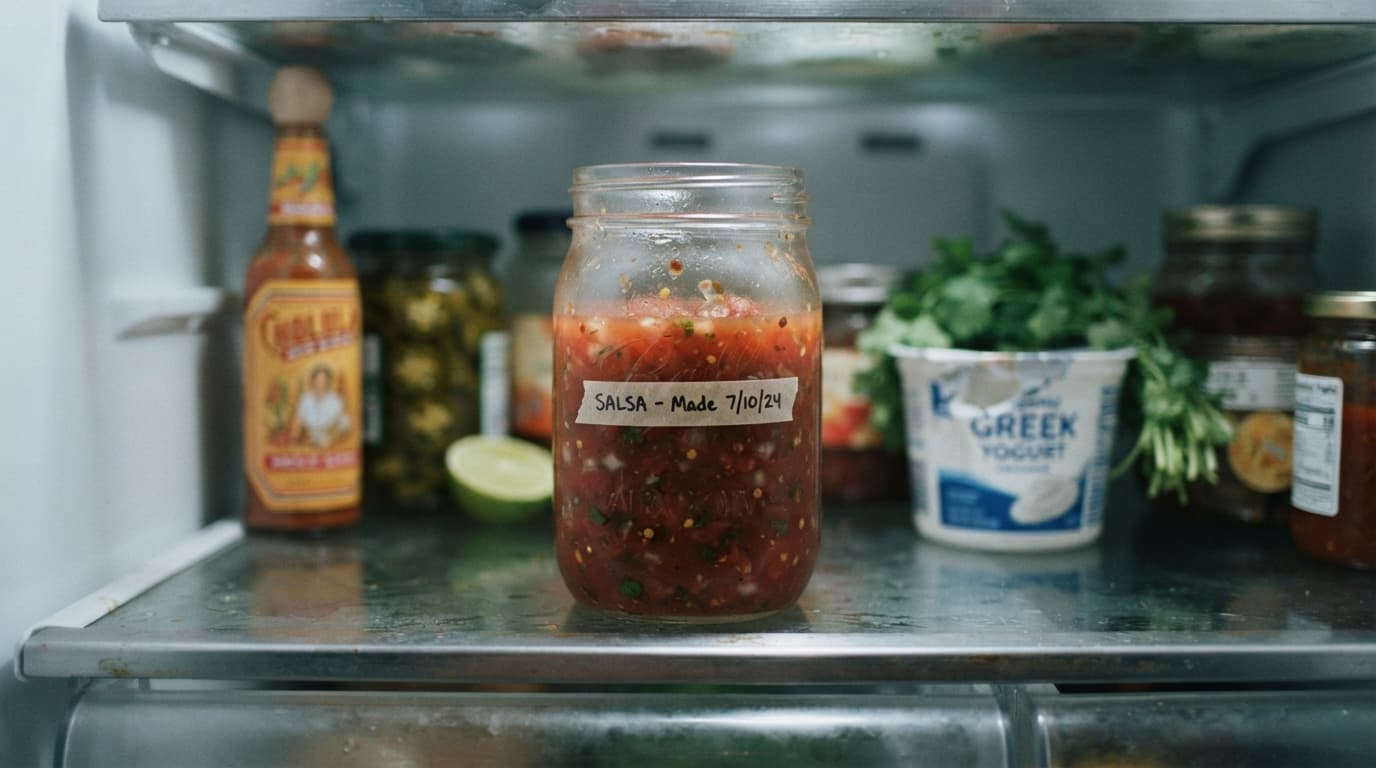
Homemade salsa lasts 3-5 days refrigerated. Opened jarred salsa is good for about a month, while refrigerated-case fresh salsa runs shorter, around 7-14 days.
9 min read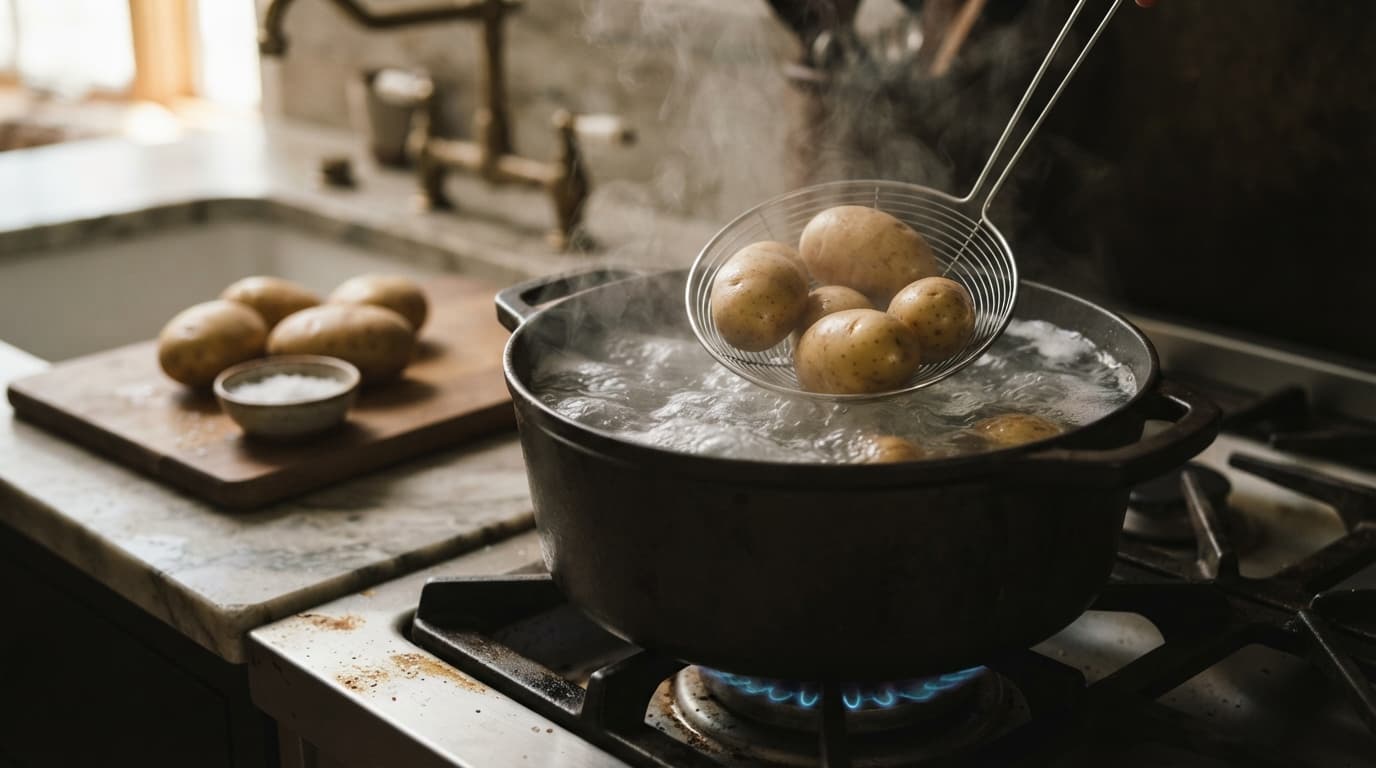
Whole small potatoes take 15-20 minutes to boil, whole russets 25-30 minutes, and cubed potatoes 10-15 minutes. This is a texture question, not a food-safety one.
9 min readTables release two weeks out on Resy, Shukette's own booking platform.
Book Now →