Can You Eat Baby Bella Mushrooms Raw?
Editorial desk · 9 min read · Updated 2026-08-23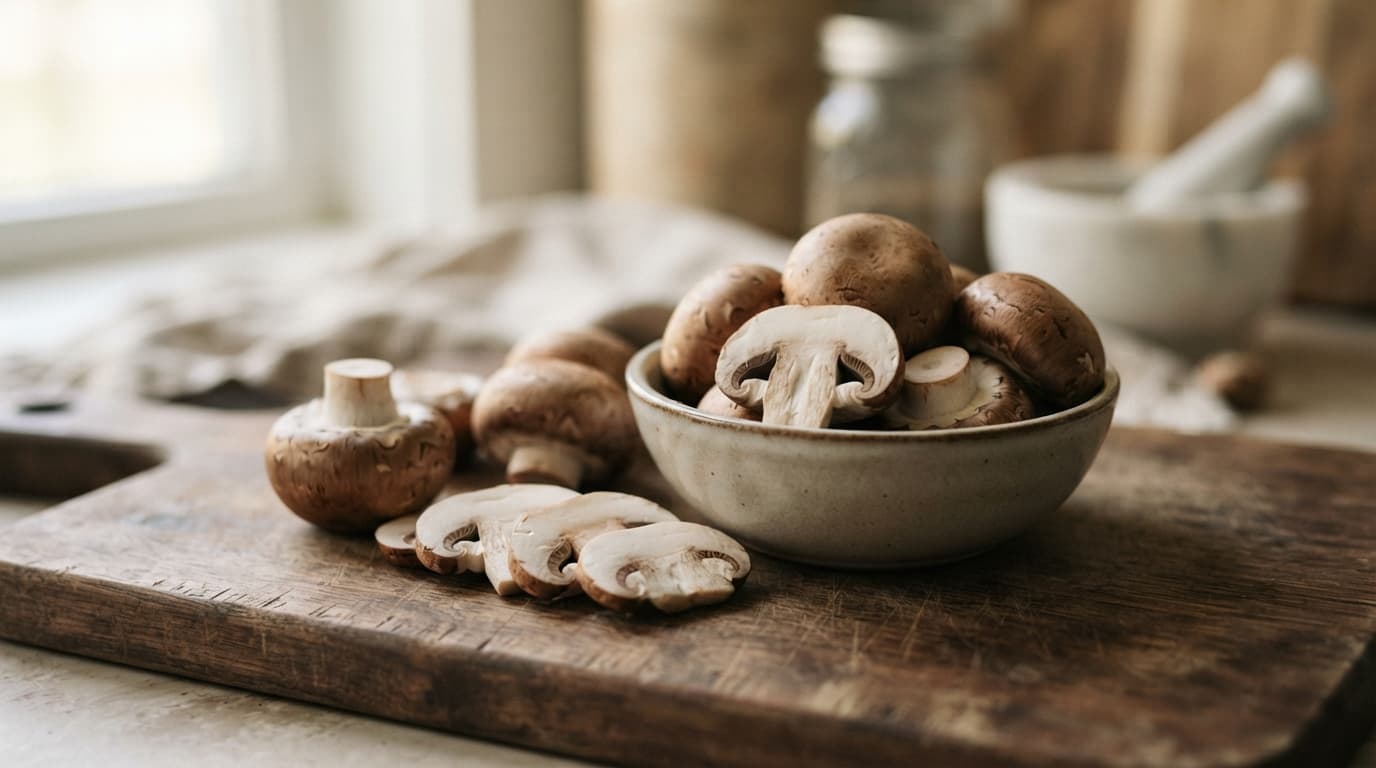
Yes, baby bella mushrooms are generally safe to eat raw. They're a common sight raw on relish trays, salads, and crudité platters, and no major food-safety agency has flagged raw consumption as a hazard. The bigger question for most people isn't safety at all, it's digestion and flavor, since raw mushrooms behave differently in both regards than cooked ones do.
That's a meaningfully different answer than the one people sometimes expect, since a compound in mushrooms called agaritine gets brought up in a way that sounds more alarming than the actual evidence supports. Understanding what agaritine is, and what large studies have actually found, clears up most of that concern.
Baby bella, cremini, button, and portobello are all the same mushroom
Before getting into safety, it helps to know that baby bella mushrooms aren't a separate species from the other common mushrooms you'll see at a grocery store. Button, cremini (also sold as baby bella), and portobello are all Agaricus bisporus, the same mushroom harvested at different points in its growth.
Button mushrooms are picked youngest, with the mildest flavor and palest color. Cremini, the baby bella stage, are allowed to mature a bit further, developing a firmer texture and a deeper, earthier flavor along the way. Portobello is the same mushroom left to grow fully mature, with a wide, open cap and the most intense flavor of the three. Because they're the same species, the safety considerations for eating any of them raw are identical, whichever stage you happen to be holding.
There isn't a specific FDA or USDA statement declaring raw cremini mushrooms safe, but there also isn't one warning against it, and that absence is worth reading correctly rather than treating as an open question. Commercially grown Agaricus bisporus mushrooms have a long, well-established history of being eaten raw across many cuisines, and the lack of a regulatory red flag reflects a genuine consensus that raw consumption of this specific, common mushroom isn't a recognized food-safety hazard, not a gap where the question simply hasn't been asked.
This is different from a lot of other raw-food safety questions, where there's a specific bacterial or parasitic concern tied to a particular food. Raw cremini mushrooms don't carry that kind of documented risk the way, say, raw poultry or raw shellfish do, which is part of why they've remained a normal raw ingredient in salads and vegetable platters for as long as they have.
Agaritine: what it actually is and why it's less concerning than it sounds
Agaritine is a naturally occurring compound found in Agaricus bisporus mushrooms, including cremini, button, and portobello, in trace amounts. It's gotten attention over the years because of laboratory studies on the compound in isolation, which is where a lot of the more alarming-sounding language about mushrooms and cancer risk originates.
Cooking significantly reduces the amount of agaritine present in mushrooms, which is one practical reason cooked mushrooms carry less of the compound than raw ones. But the more important context is what happens when researchers look at actual human eating patterns rather than isolated lab compounds. Large cohort studies, including research associated with Harvard, have looked at normal mushroom consumption in real human populations over time and haven't found a cancer link tied to eating mushrooms as part of a typical diet.
That's a meaningfully reassuring finding, and it's worth holding onto if agaritine is the reason you've hesitated to eat mushrooms raw. A trace compound studied in isolation in a lab setting behaves very differently from that same compound as part of the amount of mushrooms a person might reasonably eat in salads, on pizza, or raw on a relish tray over the course of ordinary eating habits.
Digestion is the more relevant everyday consideration
If there's a real downside to eating baby bella mushrooms raw, it's digestive comfort rather than safety. Mushroom cell walls are made largely of chitin, the same fibrous structural compound found in the shells of insects and crustaceans. Chitin is tough, and the human digestive system doesn't break it down as efficiently as it handles the cell walls of most vegetables.
For some people, this means raw mushrooms can cause mild bloating, gas, or a general sense of heaviness that cooked mushrooms don't produce to the same degree. This isn't dangerous, and plenty of people eat raw mushrooms regularly with no digestive issue at all, but it's a real, known effect worth being aware of if you're new to eating them raw or if you've noticed mild discomfort after doing so in the past, similar to how some people find raw vegetables generally a little harder on the stomach than the same food cooked, independent of any allergy or intolerance.
Cooking also increases how available certain nutrients in mushrooms are to your body. Breaking down that tough chitin structure through heat makes it easier for your digestive system to access the nutrients inside the cell, which is part of why cooked mushrooms are sometimes described as more nutritionally efficient than raw ones, even though raw mushrooms aren't nutritionally empty by any means.
Texture and flavor differences worth knowing
Beyond safety and digestion, raw and cooked mushrooms are genuinely different foods in terms of eating experience. Raw cremini has a firm, almost crunchy texture and a milder, slightly earthy flavor compared to the deeper, more concentrated, softer result cooking produces. Some people prefer the raw texture specifically for salads or as a crudité item, where a soft, cooked mushroom wouldn't hold up the same way on a platter.
If you're deciding whether to serve mushrooms raw or cooked for a specific dish, this is often the more practical deciding factor than safety, since both are reasonable choices. A raw mushroom salad calls for a different texture than a warm mushroom side dish does, and neither preparation is the objectively better one; they're just suited to different roles at the table.
Wild mushrooms are an entirely different category
Everything above applies specifically to commercially grown cremini, button, and portobello mushrooms, the kind sold at a grocery store with a known, consistent identity. Wild-foraged mushrooms are a completely different risk category, and this distinction deserves to be stated plainly rather than treated as a minor footnote.
Misidentifying a wild mushroom can mean consuming a toxic species that closely resembles an edible one, and some of the most dangerous mushroom toxins aren't neutralized by cooking at all. Wild mushroom identification takes real expertise, often specific to the exact region and season, and even experienced foragers occasionally make mistakes with serious consequences. Never assume a wild mushroom is safe raw or cooked just because it resembles a grocery-store variety, and never treat foraging advice from a general food guide, this one included, as a substitute for expert, in-person identification.
If foraging interests you, the safe path is learning directly from an experienced, credentialed local forager or mycological society, not from photos or general descriptions online. This is a genuinely different subject from the question of whether a package of cremini mushrooms from the grocery store is safe to eat raw, and conflating the two is where real risk actually lives.
This same caution doesn't need to spill over into hesitation about grocery store mushrooms. Commercially grown Agaricus bisporus is cultivated under controlled, monitored conditions specifically because consistent identity and safety are part of the product, which is exactly the guarantee wild foraging can't offer no matter how experienced the forager. A package of cremini mushrooms from a produce section has already had the identification question settled long before it reached the store; a mushroom found growing in a park or a backyard has not.
Choosing and storing baby bella mushrooms for raw eating
If you're planning to eat cremini mushrooms raw, freshness matters more than it does for a dish where they'll be cooked down anyway. Look for mushrooms that are firm, dry to the touch, and free of dark, slimy patches or a strong sour smell, all signs a mushroom has started to break down. A little dirt on the surface is normal and easily wiped off; sliminess or a musty, off odor is not.
Store them in the refrigerator in a paper bag or their original packaging rather than a sealed plastic bag, since mushrooms release moisture as they sit and a sealed environment traps that moisture against the surface, speeding up spoilage. Clean them just before eating rather than well ahead of time, using a soft brush or a quick rinse followed by drying rather than letting them soak, since raw mushrooms can absorb water and turn soggy if left wet for too long.
A whole, unwashed cremini mushroom generally keeps for about a week in the refrigerator this way, though it's worth checking the batch every couple of days rather than assuming they'll all hold at the same rate. One mushroom starting to soften or darken near the stem can be a sign the rest of the container is close behind, especially if they were packed tightly together in a sealed plastic clamshell from the store, the same batch-level spoilage pattern worth watching for across other produce stored in bulk, like a bag of sweet potatoes.
Serving raw mushrooms well, and knowing when cooking makes more sense
If you've decided raw is the way to go for a particular dish, a few practical choices make a real difference in how the mushrooms actually taste and hold up. Slicing them thin, rather than leaving them whole or in thick wedges, shortens the amount of tough chitin structure in each bite, which some people find noticeably easier to chew and digest than a thick raw slice.
A short marinade, even just 15 to 20 minutes in something acidic like a vinaigrette or lemon juice, softens raw mushrooms slightly without fully cooking them, which is a useful middle ground if you like the raw flavor but find the texture of an untreated slice a little too firm. This is a common approach in marinated mushroom salads, where the acid does some of the textural work that heat would otherwise handle.
Pairing raw mushrooms with foods that have their own acidity or fat, a vinaigrette, a squeeze of citrus, a drizzle of good olive oil, tends to balance their earthy flavor better than serving them completely plain. This is the same logic behind a lot of raw vegetable preparations generally: the mushroom itself doesn't need much help, but a little acid and fat rounds out the flavor rather than leaving it one-note.
None of this means raw is always the better choice. Cooking mushrooms concentrates their flavor considerably, since heat drives off much of their water content and deepens the natural umami character that raw mushrooms only hint at. A dish built around mushrooms as a central flavor, rather than a textural addition to a salad, usually benefits more from cooking than from staying raw.
Cooking is also the more sensible choice if you're specifically trying to maximize nutrient availability or minimize the digestive discomfort some people experience with raw mushrooms, given the chitin and agaritine considerations covered above. Neither raw nor cooked is the universally correct choice; it depends on what you're making and what you personally tolerate well.
Sliced thin, raw cremini works well alongside other raw vegetables on a shared appetizer spread, the same kind of table-first, share-everything approach Shukette builds its dip and mezze section around. If a warm, cooked mushroom dish sounds better than a raw one, that's also well within reason, since a menu built around a wood-fired grill tends to lean on cooked preparations for exactly the deeper, more concentrated flavor a raw mushroom can't fully deliver on its own. Whether you eat them raw in a salad tonight or save the package for a cooked dish tomorrow, a firm, fresh cremini mushroom gives you the flexibility to decide either way without a safety question standing in the middle of it.
Frequently asked questions
Is it safe to eat baby bella mushrooms raw?+−
Generally, yes. Baby bella (cremini) mushrooms are commonly eaten raw in salads and on relish trays, and no major food-safety agency warns against it. Some people find raw mushrooms harder to digest than cooked ones, which is a comfort issue rather than a safety one.
What is agaritine, and should I worry about it in raw mushrooms?+−
Agaritine is a naturally occurring compound found in trace amounts in cremini, button, and portobello mushrooms. Cooking significantly reduces it, and large human cohort studies haven't found a cancer link from normal mushroom consumption, so it's reassuring context rather than a reason to avoid raw mushrooms.
Are cremini, button, and portobello mushrooms actually the same thing?+−
Yes. All three are the same species, Agaricus bisporus, just harvested at different stages of maturity. Button is the youngest and mildest, cremini (baby bella) is a step older with a firmer texture and deeper flavor, and portobello is the fully mature version of the same mushroom.
Why do raw mushrooms upset some people's stomachs?+−
Raw mushrooms have tough cell walls made of chitin, a fibrous compound that's harder for the human digestive system to break down than cooked plant fiber. This can cause mild bloating or discomfort in some people, though it isn't a food-safety hazard for most healthy adults.
Is it safe to eat wild mushrooms raw the same way as store-bought cremini?+−
No, and this distinction matters a lot. Wild-foraged mushrooms carry serious risks of misidentification and toxicity that don't apply to commercially grown cremini, button, or portobello mushrooms, and they should never be eaten raw or cooked without expert identification.
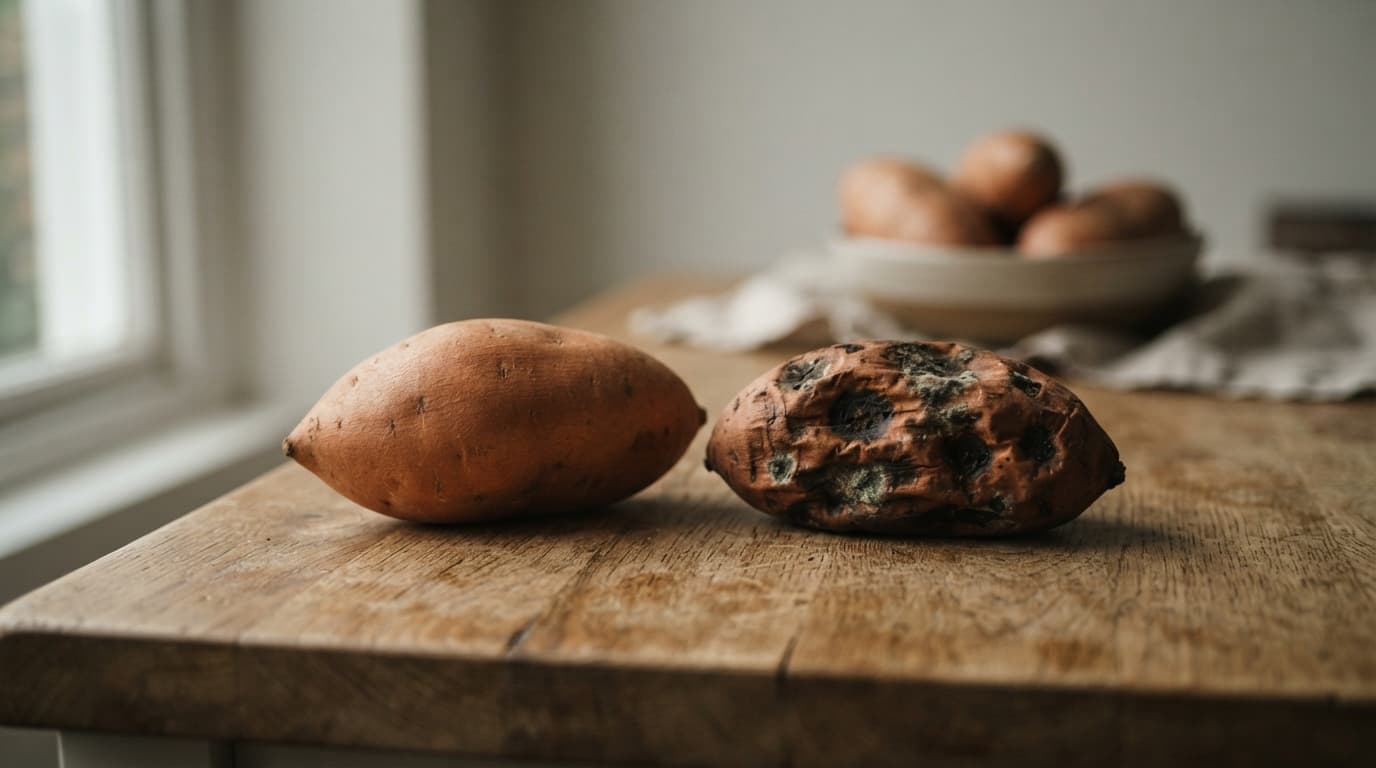
A bad sweet potato has soft spots, mold, dark spots, wrinkled skin, or a sour smell. Sprouted sweet potatoes stay safe if otherwise firm, unlike white potatoes.
10 min read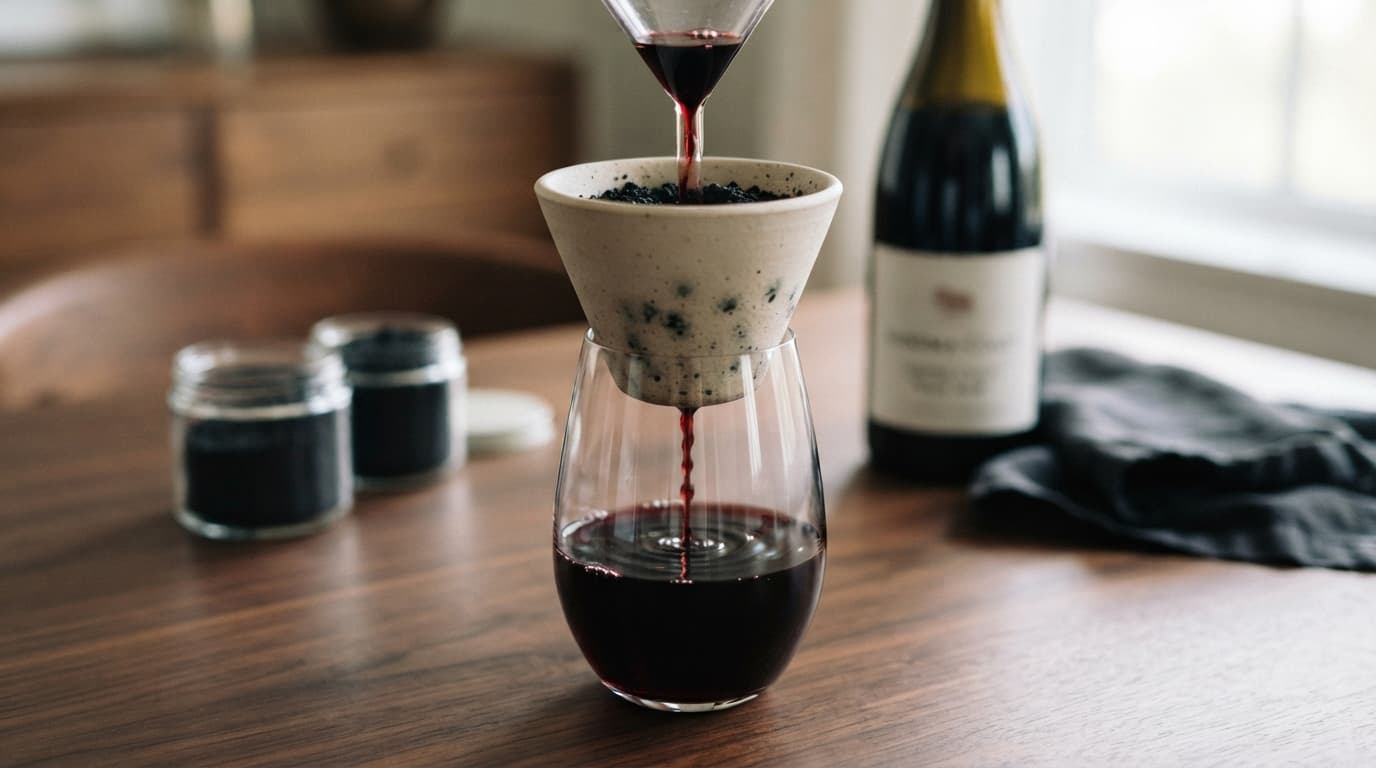
No reliable method removes sulfites from wine after bottling. Wine wands rely only on manufacturer data; lower-sulfite or organic wine is the real alternative.
9 min read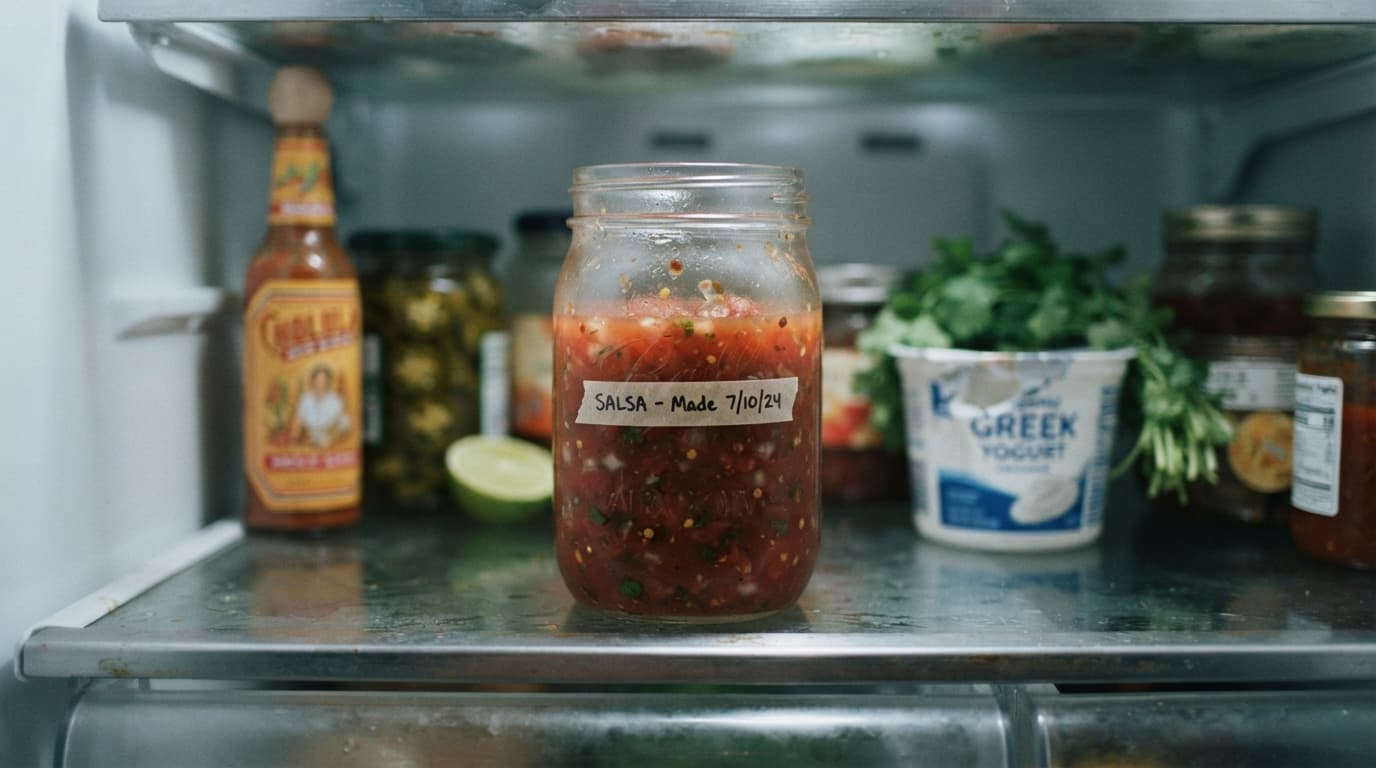
Homemade salsa lasts 3-5 days refrigerated. Opened jarred salsa is good for about a month, while refrigerated-case fresh salsa runs shorter, around 7-14 days.
9 min readTables release two weeks out on Resy, Shukette's own booking platform.
Book Now →