Can You Remove Sulfites from Wine?
Editorial desk · 9 min read · Updated 2026-08-23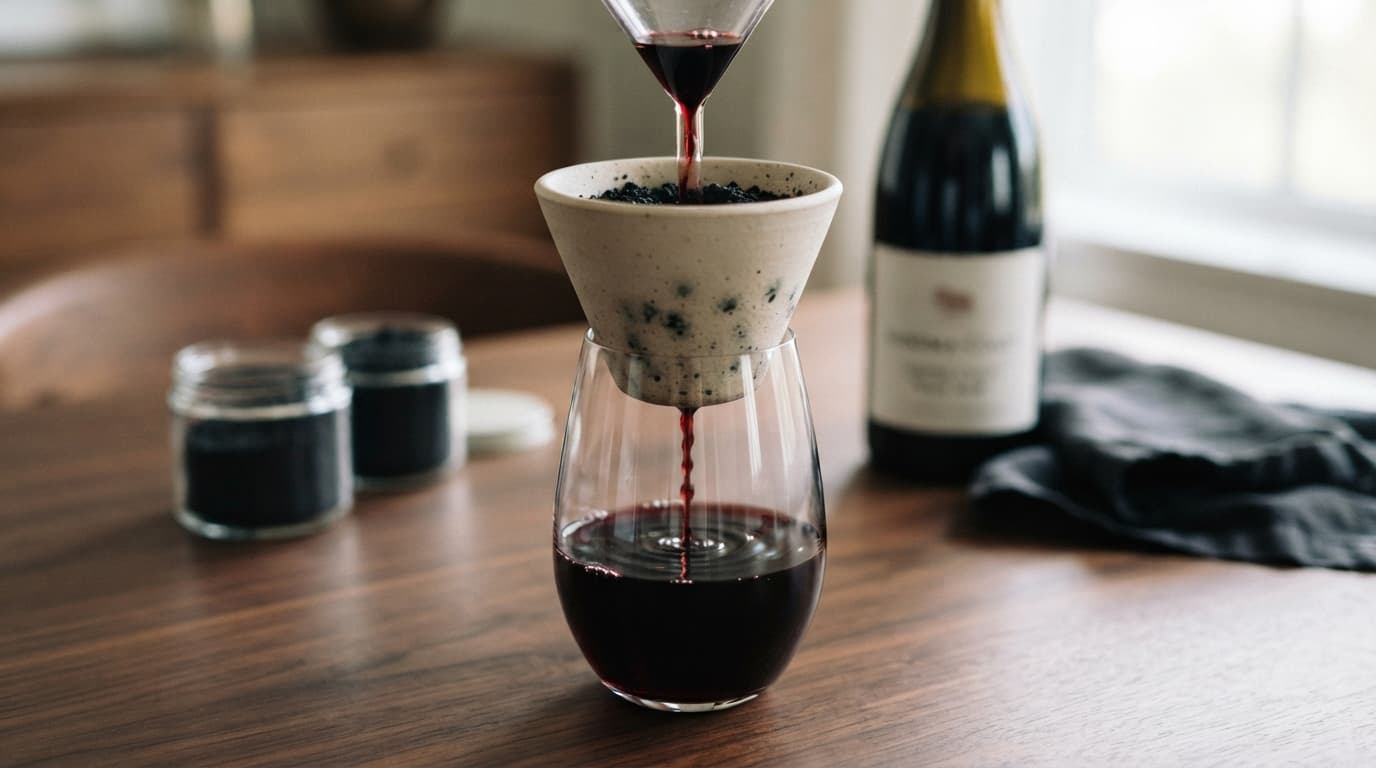
No reliable method removes sulfites from wine once it's bottled. Swirling, decanting, and letting a glass sit open can soften some of the sharper aroma notes sulfites contribute, but that's a change in what you smell, not a reduction in how much sulfite is actually in the wine. If avoiding sulfites is the actual goal, the more honest path is choosing a wine that started with fewer of them, not trying to strip them out of the glass in front of you.
That answer disappoints people who've seen products marketed specifically as sulfite removers, wands you swirl in the glass, drops you add before pouring. It's worth taking a closer look at what those products actually claim, what evidence backs them up, and why sulfites are in wine to begin with before deciding whether any of it changes the picture.
Why sulfites are in wine at all
Sulfites aren't an additive that sneaks into wine against a winemaker's wishes; they're part of how wine works, in two separate ways. First, sulfites occur naturally as a byproduct of fermentation. Yeast produces them as it converts sugar into alcohol, typically somewhere in the range of 6 to 40 parts per million just from that natural process, before a winemaker adds anything at all.
Second, most winemakers add additional sulfites on top of that natural amount, and they do it for a real reason: sulfites act as a preservative, protecting wine from oxidation and from unwanted bacterial growth that would otherwise spoil it or throw off its flavor during aging, shipping, and storage. This is a deliberate, functional choice, not a shortcut or a sign of lower quality. Some of the world's most respected wines use added sulfites the same way plenty of everyday bottles do, the same way a lot of preserved and cured foods rely on a comparable additive logic to stay stable on a shelf or in transit.
Because of both the natural and added sources, no wine is genuinely sulfite-free. Even wines labeled with lower sulfite content still contain some, just less than a conventionally produced bottle. This matters for understanding why "removing" sulfites from an already-bottled wine is such a different proposition than reducing how much sulfite is in the bottle to begin with; you're not dealing with a contaminant added as an afterthought, you're dealing with a compound woven into how the wine was made and preserved.
Why decanting and aeration don't actually remove sulfites
Decanting wine, pouring it into a wide container and letting it sit exposed to air before drinking, is a real and useful technique, just not for the reason people sometimes assume when sulfites come up. Aeration lets some volatile compounds evaporate and lets the wine's flavors open up, and free sulfur dioxide, the more reactive, aroma-affecting form of sulfite in wine, can dissipate somewhat during that process.
What aeration doesn't do is meaningfully reduce the total sulfite content of the wine. A meaningful portion of the sulfites in a bottle are bound to other compounds in the wine rather than floating freely as gas, and that bound portion doesn't just evaporate because the wine has been sitting in an open decanter for twenty minutes. You might notice less of a sharp, sulfur-like smell after decanting a wine that had a strong one to begin with, but that's a change in what's volatile and reaching your nose, not a change in what's still dissolved in the liquid you're about to drink.
This distinction matters most for anyone decanting specifically because they're worried about a sulfite reaction. If the concern is genuinely about total sulfite exposure, not just the smell, decanting isn't solving the underlying problem, even though it's a perfectly good technique for the flavor and aroma reasons it's normally used for.
Wine wands and sulfite drops: what the evidence actually shows
Products marketed specifically to remove sulfites from wine, small wands you swirl in a glass, or drops you add before pouring, have become fairly visible in the last several years, often through direct-to-consumer advertising that promises a wine without the sulfite-related symptoms some people report. It's worth being clear-eyed about where the evidence for these products actually comes from.
The testing behind these products is manufacturer-commissioned lab data, meaning the companies selling them are also the ones funding and running the studies used to support their claims. That's not automatically meaningless, but it's a real limitation: there's no independent, peer-reviewed, or clinical verification confirming these products do what they claim at the scale or reliability implied by their marketing. That gap between "the company that sells this ran a lab test on it" and "an independent body confirmed it works" is worth taking seriously before treating either product category as a solved problem.
There's also a chemistry problem worth understanding: sulfites in wine exist in a mix of free and bound forms, and a meaningful share are chemically bound to other molecules in the wine rather than sitting loose where a wand or a few drops could simply neutralize them on contact. A product that claims to eliminate sulfite-related reactions with a quick swirl is making a bigger claim than the underlying chemistry of bound sulfites straightforwardly supports. None of this means everyone who's tried these products and felt better is imagining it, but it does mean the products haven't cleared the bar of independent confirmation that a claim like "removes sulfites" would ideally need.
The FDA's 10 ppm labeling rule
Under FDA and TTB (Alcohol and Tobacco Tax and Trade Bureau) rules, any wine containing 10 or more parts per million of sulfur dioxide must carry a "Contains Sulfites" statement on its label. That threshold is a genuinely useful piece of information, since it means the label itself tells you whether a wine crosses that line, without needing to guess.
It's worth noting what this label does and doesn't tell you, though. A wine below 10 ppm doesn't need the statement, but very few wines fall below that threshold given how sulfites naturally arise during fermentation alone, discussed above. And for wines that do carry the statement, the label doesn't tell you exactly how far above 10 ppm the wine sits. Two bottles can both say "Contains Sulfites" while having meaningfully different total sulfite levels, since the label is a threshold marker, not a precise measurement disclosed to the consumer.
Allergy versus sensitivity: a distinction worth getting right
A lot of the anxiety around sulfites in wine comes from people describing reactions, headaches, flushing, mild respiratory symptoms, after drinking wine and attributing them to a sulfite allergy. It's worth separating two different things that get lumped together under that word.
A true IgE-mediated sulfite allergy, the kind of immune response involved in classic food allergies, is genuinely rare. What's more commonly reported is a non-allergic sensitivity to sulfites, a different kind of reaction that doesn't involve the same immune mechanism but can still produce uncomfortable symptoms in susceptible people. This kind of sensitivity shows up more often in people with asthma; some clinical literature puts the affected share of asthmatics at roughly 3 to 10%, though that figure varies across studies and should be read as a general range rather than a precise, universal statistic.
Severe allergic reactions to sulfites are very rare overall, according to the FDA. That's useful context if you or someone you know has had a mild reaction to wine and jumped straight to assuming a serious sulfite allergy is the cause; a broader set of possibilities, including histamines, tannins, or simply alcohol itself, are all worth considering alongside sulfites rather than assuming sulfites are automatically the culprit.
Red wine headaches: probably not just sulfites
Red wine headaches get blamed on sulfites more often than the evidence really supports. It's worth knowing that white wine actually tends to contain higher sulfite levels than red, on average, since red wine's tannins offer some natural antioxidant protection that reduces how much added sulfite a winemaker typically needs. If sulfites alone were the main driver of wine headaches, white wine would be the more common culprit, not red, which doesn't match what most people who report the problem actually experience.
Other compounds in red wine are more plausible contributors: tannins themselves, histamines, and other naturally occurring substances from grape skins and the fermentation process are all reasonable alternative explanations, alongside the straightforward effect of alcohol itself, which is a well-documented headache trigger on its own regardless of what else is in the glass. None of these alternatives are fully settled either, but the mismatch between "sulfites cause headaches" and "white wine has more sulfites than red" is a useful reason to hold that specific explanation more loosely than a lot of casual wine advice suggests.
This doesn't mean sulfite sensitivity isn't real for some people, just that it's one plausible explanation among several, and reaching for a sulfite-removal product on the assumption that sulfites are definitely the cause may not solve the actual problem if something else in the bottle is really responsible. Anyone managing a broader set of dietary sensitivities at a restaurant table already knows this pattern well: a single symptom rarely traces back to just one ingredient, which is why thinking through allergies and dietary needs ahead of a meal tends to work better than trying to isolate the cause after the fact.
Choosing lower-sulfite wine instead of trying to remove it
If the actual goal is drinking wine with fewer sulfites, the more genuine path is choosing a bottle that starts with less, rather than trying to treat a conventionally sulfited wine after opening it. This is where organic wine offers something concrete and verifiable rather than a marketing claim resting on unverified lab data.
USDA-certified organic wine has to meet a specific standard: naturally occurring sulfites are capped at no more than 10 parts per million, and no additional sulfites can be added during production. That's a meaningfully lower ceiling than most conventional wine, which often runs well above that threshold once winemakers add sulfites for preservation. Choosing organic wine, or specifically looking for wines labeled "no sulfites added," addresses the underlying concern by starting with less rather than attempting an after-the-fact fix that the chemistry doesn't really support.
This is a genuinely different strategy than anything discussed above, and it's worth being honest about the tradeoff: lower-sulfite wines, because they lack the same preservative protection, are often more sensitive to storage conditions and may have a shorter useful shelf life once opened. That's a reasonable tradeoff for someone who's found sulfites genuinely bother them, but it's worth knowing going in rather than discovering it after a bottle turns on you faster than expected.
If you're navigating this at a restaurant rather than shopping for a bottle to bring home, asking about lower-sulfite or organic options on a wine list is a reasonable question, and a wine list built around a handful of glass pours rather than an exhaustive bottle list can make that a quicker conversation with a server than working through a hundred-bottle list on your own. A server familiar with what actually pairs well with a mezze-heavy, wood-fired menu is often a faster source of a genuinely lower-sulfite recommendation than scanning label text yourself in dim restaurant lighting.
Planning ahead helps here too. If you already know sulfites are a concern for you, mentioning it when booking a table or asking the wine list question early in the meal, rather than after a glass is already poured, gives the kitchen and the server more room to point you toward something that actually fits. Whatever you're drinking with dinner, understanding what's actually in the glass, and what genuinely changes that, matters more than any product promising to undo it with a swirl.
Frequently asked questions
Can you actually remove sulfites from a bottle of wine?+−
No. Once wine is bottled, there's no reliable consumer method that removes sulfites from it. Decanting and aerating can soften some of the aroma sulfites contribute, but that's not the same as reducing the total amount present in the wine.
Do wine wands and sulfite-removal drops really work?+−
The evidence for them is limited to manufacturer-commissioned lab testing, not independent or clinical verification. That's worth treating as a marketing claim rather than a proven result, especially since the mechanism they describe doesn't match how sulfites are chemically bound in wine.
Why does wine have sulfites in the first place?+−
Sulfites occur naturally during fermentation, typically in the range of 6-40 parts per million from yeast activity alone, and winemakers commonly add more as a preservative to prevent oxidation and stop unwanted bacterial growth. No wine is truly sulfite-free for this reason.
Is a sulfite allergy common?+−
A true IgE-mediated sulfite allergy is rare. A more common issue is a non-allergic sensitivity, which shows up more often in people with asthma, with some clinical literature citing roughly 3-10% of asthmatics affected. Severe allergic reactions to sulfites are very rare overall, according to the FDA.
What's a better approach than trying to remove sulfites from wine?+−
Choosing wine that starts with fewer sulfites, rather than trying to strip them out after the fact. USDA-certified organic wine caps naturally occurring sulfites at 10 parts per million with no added sulfites, which is a real, verifiable way to lower your exposure.
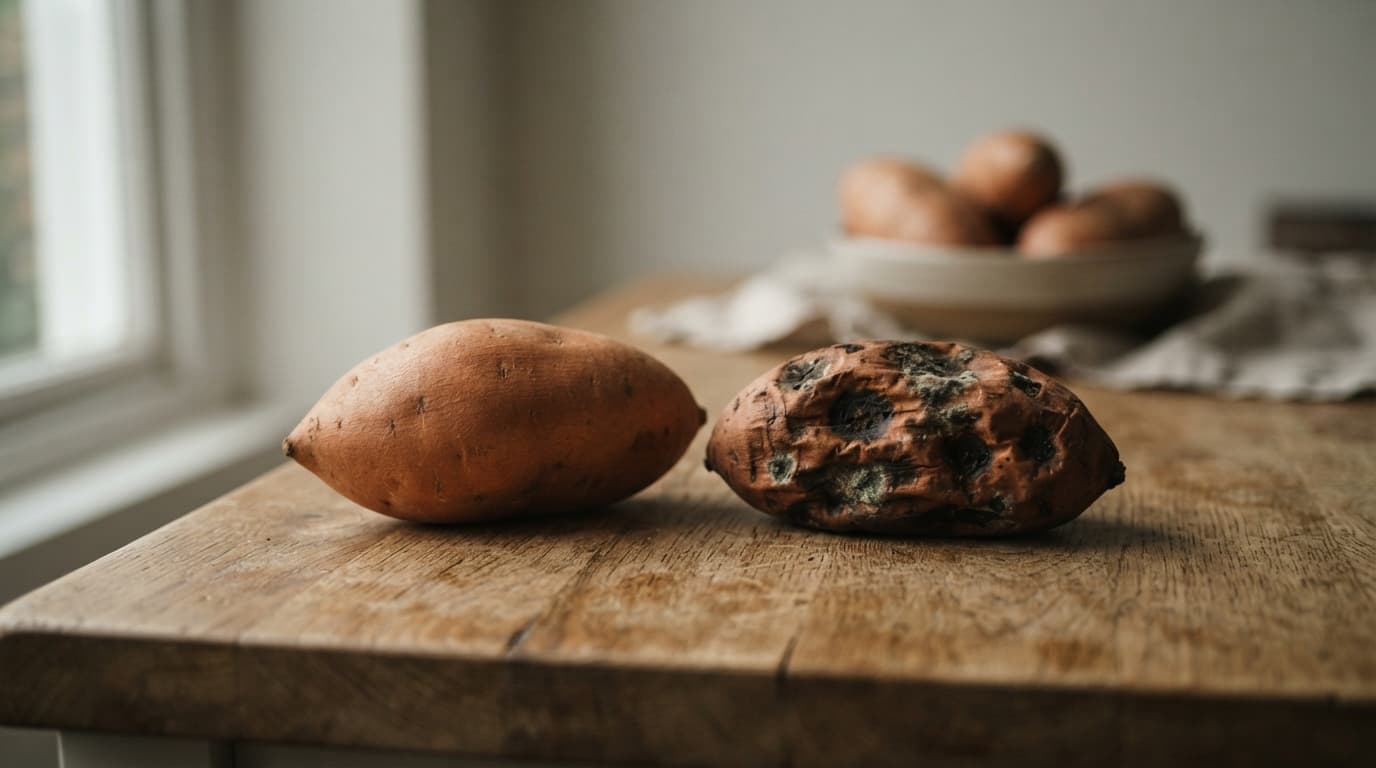
A bad sweet potato has soft spots, mold, dark spots, wrinkled skin, or a sour smell. Sprouted sweet potatoes stay safe if otherwise firm, unlike white potatoes.
10 min read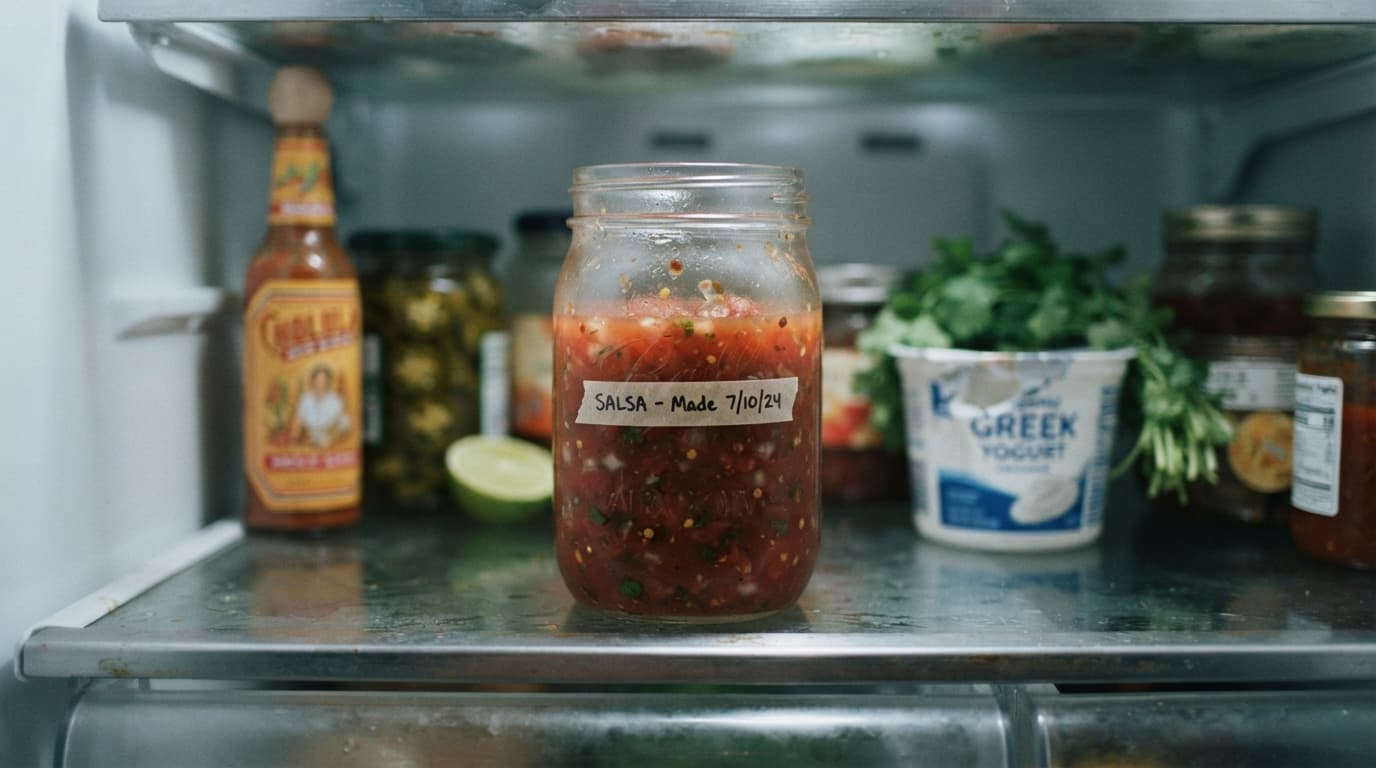
Homemade salsa lasts 3-5 days refrigerated. Opened jarred salsa is good for about a month, while refrigerated-case fresh salsa runs shorter, around 7-14 days.
9 min read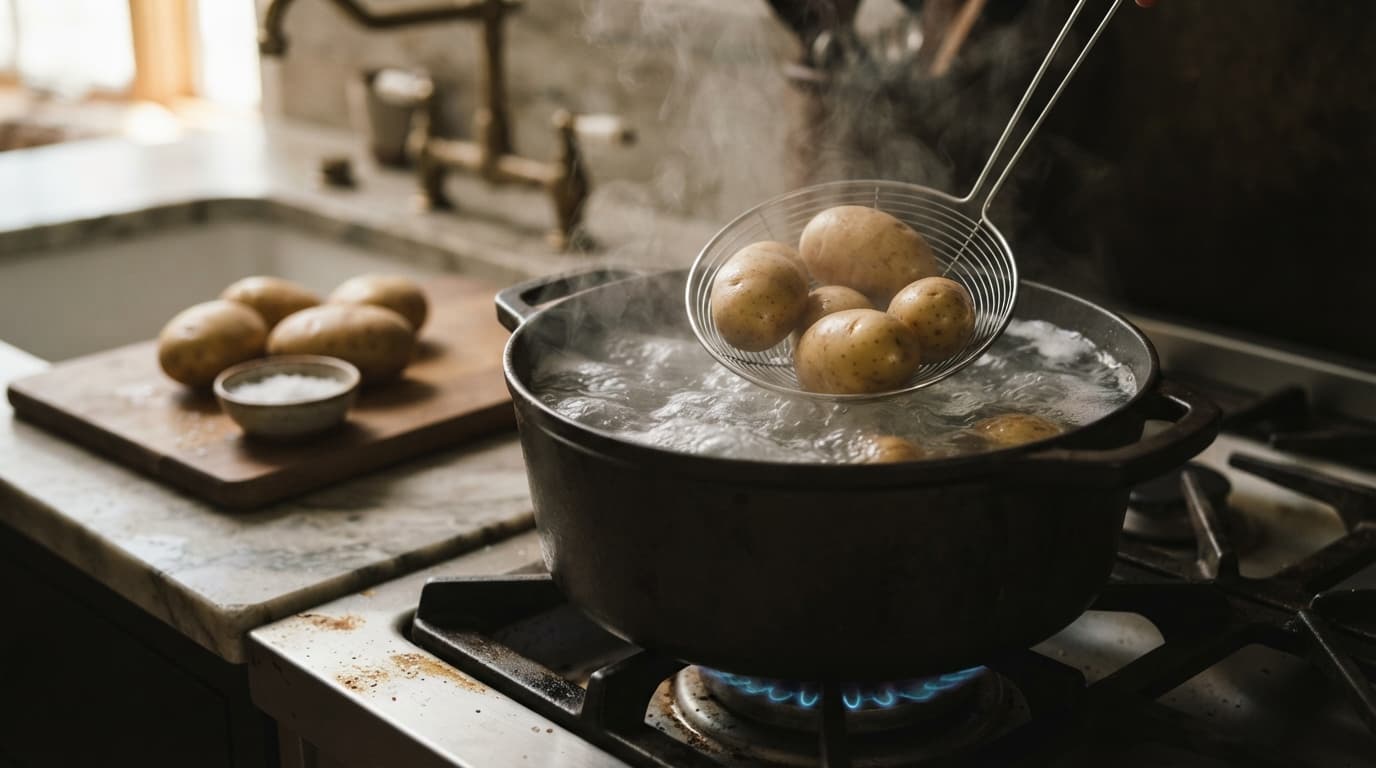
Whole small potatoes take 15-20 minutes to boil, whole russets 25-30 minutes, and cubed potatoes 10-15 minutes. This is a texture question, not a food-safety one.
9 min readTables release two weeks out on Resy, Shukette's own booking platform.
Book Now →