How Long Does Salsa Last in the Fridge?
Editorial desk · 9 min read · Updated 2026-08-23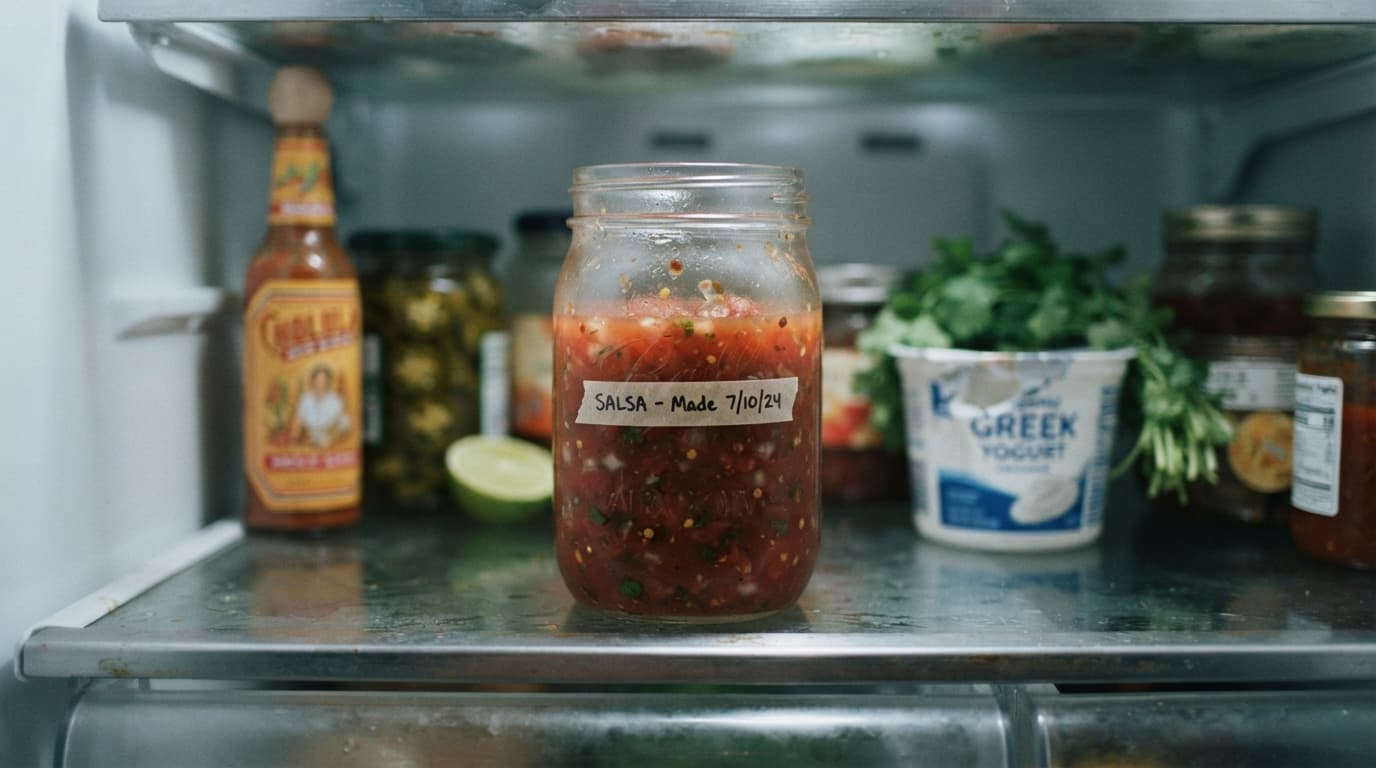
Homemade salsa lasts 3 to 5 days in the refrigerator. Store-bought shelf-stable jarred salsa, once opened, is commonly good for about a month refrigerated. Refrigerated-case fresh salsa, the kind sold cold rather than on a shelf, falls in between at roughly 7 to 14 days unopened. Which number applies to your salsa depends entirely on which of these three categories it falls into, not on how it looks or tastes on a given day.
That's a wider spread than a lot of people expect from what looks like the same basic product, and the reason for the gap comes down to processing, not just recipe differences.
| Salsa type | Shelf life (refrigerated) | Why |
|---|---|---|
| Homemade fresh | 3 to 5 days | No preservatives or commercial heat processing behind it |
| Store-bought shelf-stable jarred (opened) | About 1 month | Commercial heat processing plus more vinegar-based acidity slow microbial growth |
| Refrigerated-case fresh | 7 to 14 days unopened | Made with more care around acidity and handling than a homemade batch, but skips shelf-stabilizing processing |
Three different salsas, three different clocks
It's easy to assume "salsa" is one category with one shelf life, but the way it's made and sold changes that answer considerably. Homemade salsa, made fresh with raw or lightly cooked tomatoes, onions, peppers, and other produce, has no preservatives and no commercial heat processing behind it. That makes it the shortest-lived of the three, commonly cited as good for 3 to 5 days in the refrigerator.
Store-bought shelf-stable jarred salsa, the kind sold unrefrigerated on a regular grocery store shelf, is a different product entirely, even when the ingredient list looks similar. It's gone through commercial heat processing before it ever reaches the shelf, and it typically carries more vinegar-based acidity than a homemade batch. Once opened, this type is commonly cited as good for around a month in the refrigerator, a figure widely attributed to USDA's FoodKeeper guidance by multiple sources, worth treating as commonly cited practical guidance rather than a number to stretch further than necessary.
Refrigerated-case fresh salsa, sold cold in the produce or deli section rather than on a dry shelf, sits in the middle. It hasn't gone through the same shelf-stabilizing process as the jarred variety, but it's typically made with more care around acidity and handling than a batch made at home. Unopened, this type is commonly cited as good for roughly 7 to 14 days, with a shorter window once it's opened and exposed to air and repeated utensil contact.
Why processing and acidity make the biggest difference
The gap between a homemade salsa's few days and a shelf-stable jar's month isn't about one being "real" and the other being artificial; it comes down to two concrete factors that actually slow microbial growth. Commercial heat processing, the kind shelf-stable jarred salsa goes through before it's sealed, kills off a significant amount of the microorganisms that would otherwise cause spoilage, and the sealed jar keeps new contamination out until it's opened.
Vinegar-based acidity plays a similar role. A more acidic environment is generally more hostile to the bacteria and mold responsible for spoilage, which is part of why many shelf-stable salsas lean on a notably vinegar-forward recipe compared to a fresh homemade batch built mostly around raw tomato and onion. Homemade salsa typically skips both of these advantages, since most home recipes aren't heat-processed the way a commercial product is, and the acidity level varies a lot depending on the specific recipe and how much lime juice or vinegar it actually calls for.
This is the same underlying principle behind a lot of preserved food lasting longer than its fresh counterpart, not unlike how a fully cooked spiral ham's shelf life changes once it's been processed and packaged compared to a piece of meat prepared fresh at home. Processing and acidity both buy time; skipping them means a shorter, more conservative window is the safer assumption.
Reading the signs that salsa has actually gone bad
Regardless of which of the three types you're working with, the same basic spoilage signs apply once salsa starts to turn. Visible mold, whether a small spot or a wider patch, is a clear sign to throw the batch out rather than scoop around it. An off smell, sour, fermented, or simply not matching how the salsa smelled when it was fresh, is another reliable signal, and it's usually noticeable before any visible change appears.
Noticeable discoloration, a salsa that's turned a duller, browner, or grayer shade than it started, points to oxidation or early spoilage, even if it doesn't smell obviously off yet. Gas bubbles in the container are a more active warning sign, since they indicate fermentation is already underway, something that shouldn't be happening in salsa that's still within its safe window.
None of these signs require guessing. If more than one shows up together, mold plus an off smell, or discoloration plus bubbles, that's a clear signal the salsa is past the point of being safe to eat, regardless of how many days it's technically been in the fridge, the same "trust the signs over the calendar" approach worth applying to any perishable condiment or side sitting in the fridge longer than expected.
The bulging lid warning deserves its own mention
One spoilage sign is serious enough to call out on its own, separate from the general list above: a bulging or dome-shaped lid on a sealed jar of salsa. This isn't just a sign the salsa has gone slightly off; a bulging lid can indicate gas production from bacterial activity inside a sealed container, which raises the possibility of botulism, a rare but serious form of food poisoning that can be life-threatening.
If you notice a jar's lid bulging outward rather than sitting flat, or the lid pops with unusual force or resistance when you open it, the safest response is to discard the jar without tasting the contents at all. This isn't a situation where a quick smell test or a small taste to check is a reasonable way to decide; the safer, and honestly the only sensible, choice is to throw the whole jar away unopened or immediately after noticing the bulge, rather than investigating further yourself.
This particular warning applies most directly to sealed, shelf-stable jars, since that's the format where an airtight seal combined with unexpected bacterial activity can build the internal pressure that causes bulging in the first place. It's a good habit to glance at a jar's lid before opening it every time, the same reflexive check you'd give a canned good, rather than only thinking to look after you've already noticed something seems off about the salsa itself.
Freezing salsa if you want to stretch it further
If you've made a large batch of homemade salsa and know you won't get through it within the 3-to-5-day window, freezing is a reasonable option, with a real tradeoff in texture. Tomatoes and other high-water vegetables lose some structure once frozen and thawed, so a previously frozen salsa tends to come out noticeably softer and more watery than a fresh batch, even though it's still safe to eat.
Chunkier, salsa-style preparations generally freeze a bit better than very watery, thin salsas, since there's more solid structure to survive the freeze-thaw cycle relatively intact. Draining a little of the excess liquid off after thawing helps compensate for the texture change, particularly if you're using the thawed salsa as a cooking ingredient rather than serving it fresh alongside chips.
Shelf-stable jarred salsa and refrigerated-case fresh salsa can technically be frozen too, but there's less reason to bother given their already-longer refrigerated shelf life. Freezing makes the most practical sense specifically for homemade batches, where the refrigerated window is shortest and a large batch is more likely to outlast that window before you get through it.
Making homemade salsa last closer to the full window
If you're making salsa at home and want it to reliably reach the full 3-to-5-day range rather than turning early, a few practical habits help. Refrigerate it promptly rather than leaving it out at room temperature for an extended stretch after making it, since time spent sitting out counts against the same safe window as time spent in the fridge. Store it in a clean, airtight container rather than leaving it loosely covered, which limits exposure to air and reduces contamination from repeated scooping with different utensils.
Using clean utensils each time you serve from the container, rather than double-dipping a spoon that's already touched other food, also helps keep the batch cleaner for longer, the same basic principle that keeps any shared dip on a table safer over the course of a meal. None of these habits extend homemade salsa dramatically past the 3-to-5-day range, since it's still lacking the processing and acidity that give shelf-stable jarred salsa its much longer window, but they help ensure you actually get the full safe range rather than losing a day or two to avoidable contamination.
Matching the right shelf life to what's actually in your fridge
The most useful habit here is simply checking which category your salsa falls into before assuming a shelf life. A jar bought from a regular grocery store shelf and refrigerated after opening gets roughly a month. A container of fresh salsa bought cold from a produce or deli case gets something closer to 7 to 14 days. A batch made at home from fresh tomatoes and peppers gets the shortest window, 3 to 5 days, and deserves the most conservative treatment of the three.
If you're ever unsure which category a given container falls into, or the label doesn't make it obvious, treating it with the shorter, more conservative timeline is the safer default. A batch of fresh salsa pairs naturally with grilled dishes and shared appetizer spreads, not unlike the mezze-and-dip-forward approach to a shared table, where several smaller components come together rather than one dish carrying the whole meal. Salsa is a small, easy piece of that kind of spread, as long as it's still within its actual window when it lands on the table.
The single easiest habit that prevents most salsa-safety confusion is writing the date directly on the container the moment you make or open it. A piece of tape and a marker, or a grease pencil straight on a mason jar, removes the need to remember or estimate later, which matters most for homemade batches given how much shorter their safe window is compared to the other two types.
This habit pays off even more if you regularly keep more than one type of salsa in the fridge at once, a homemade batch alongside a jar bought from the store, since it's easy to lose track of which container is which once they've both been open a few days. A shelf-stable jar and a homemade batch can end up sitting side by side looking nearly identical once both are in open containers in the fridge door, and without a date, it's easy to accidentally apply the longer jarred-salsa timeline to a homemade batch that's actually already past its window.
This is also worth thinking about anytime you're combining salsas, say, stretching a jarred salsa with some freshly chopped tomato and onion to freshen it up. Once you've mixed a shelf-stable product with fresh, unprocessed ingredients, the safer approach is treating the whole combined batch by the shorter, homemade timeline rather than assuming the jarred portion's longer shelf life carries over. Mixing categories effectively resets the clock to whichever component is least stable, not the most.
Treating each container according to its own actual category and date, rather than assuming they all follow the same rule, is really the whole answer to how long salsa lasts: it depends entirely on what kind you're holding, and a clear date on the container makes that answer easy to check rather than easy to guess.
Frequently asked questions
How long does homemade salsa last in the fridge?+−
About 3 to 5 days. Homemade salsa has no preservatives or heat processing behind it, so it has the shortest safe window of the three common salsa types, and it's worth using the more conservative end of that range if you're unsure how fresh your ingredients were.
How long does salsa last after opening a jar from the grocery store shelf?+−
Commonly cited guidance puts opened shelf-stable jarred salsa at around a month in the refrigerator. It was originally sold unrefrigerated because commercial heat processing and its vinegar-based acidity inhibit microbial growth far more than a fresh, homemade batch can.
What about salsa I bought from the refrigerated section, not a shelf-stable jar?+−
Refrigerated-case fresh salsa, the kind sold cold in the produce or deli section, typically runs shorter than shelf-stable jarred salsa, commonly cited around 7 to 14 days unopened, with a shorter window once it's been opened.
What are the signs that salsa has gone bad?+−
Mold, an off or fermented smell, noticeable discoloration, and gas bubbles are all signs salsa has spoiled. A bulging lid on a sealed jar is a more serious red flag and should never be tasted; discard a jar with a bulging lid without opening it further.
Why does homemade salsa spoil so much faster than jarred salsa?+−
Store-bought shelf-stable salsa goes through commercial heat processing and typically has more vinegar-based acidity, both of which slow microbial growth significantly. Homemade salsa skips both of those steps, so it relies entirely on refrigeration and a shorter shelf life to stay safe.
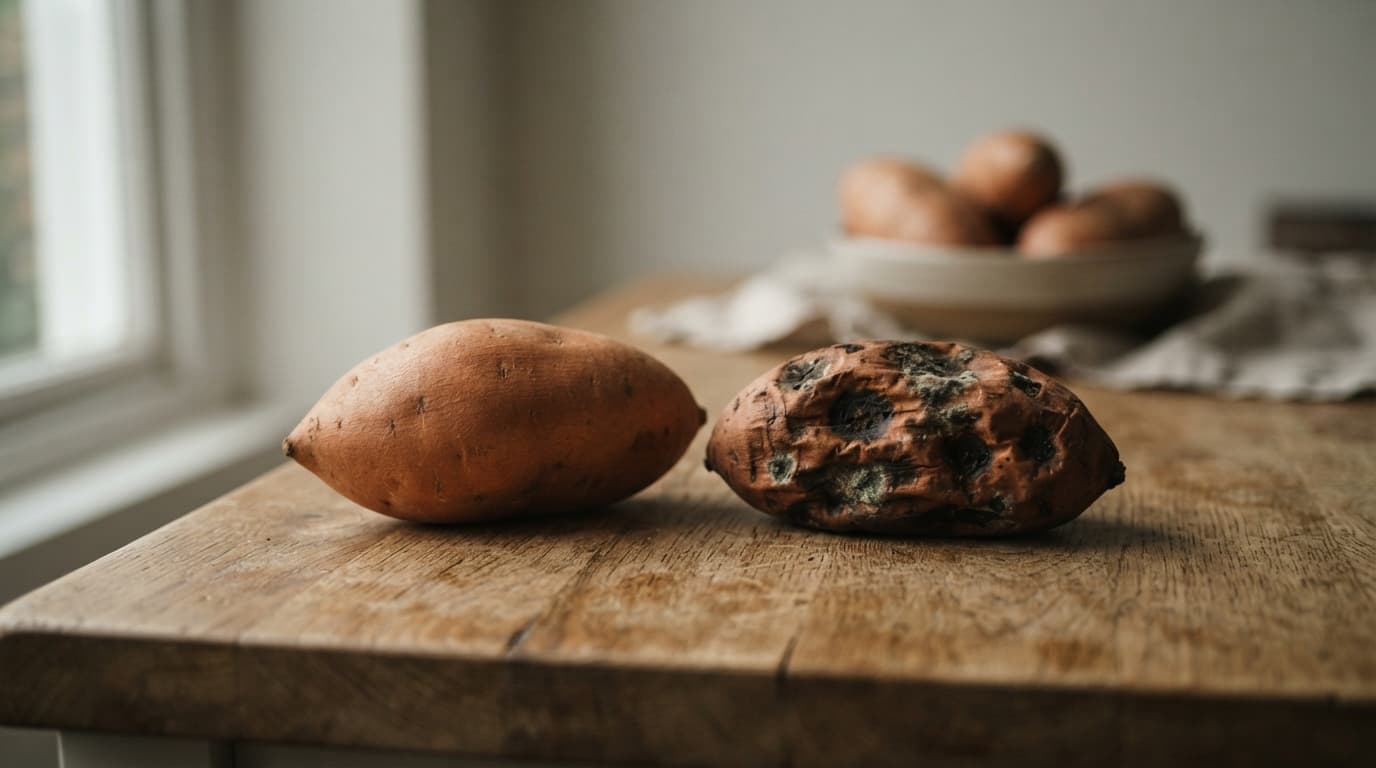
A bad sweet potato has soft spots, mold, dark spots, wrinkled skin, or a sour smell. Sprouted sweet potatoes stay safe if otherwise firm, unlike white potatoes.
10 min read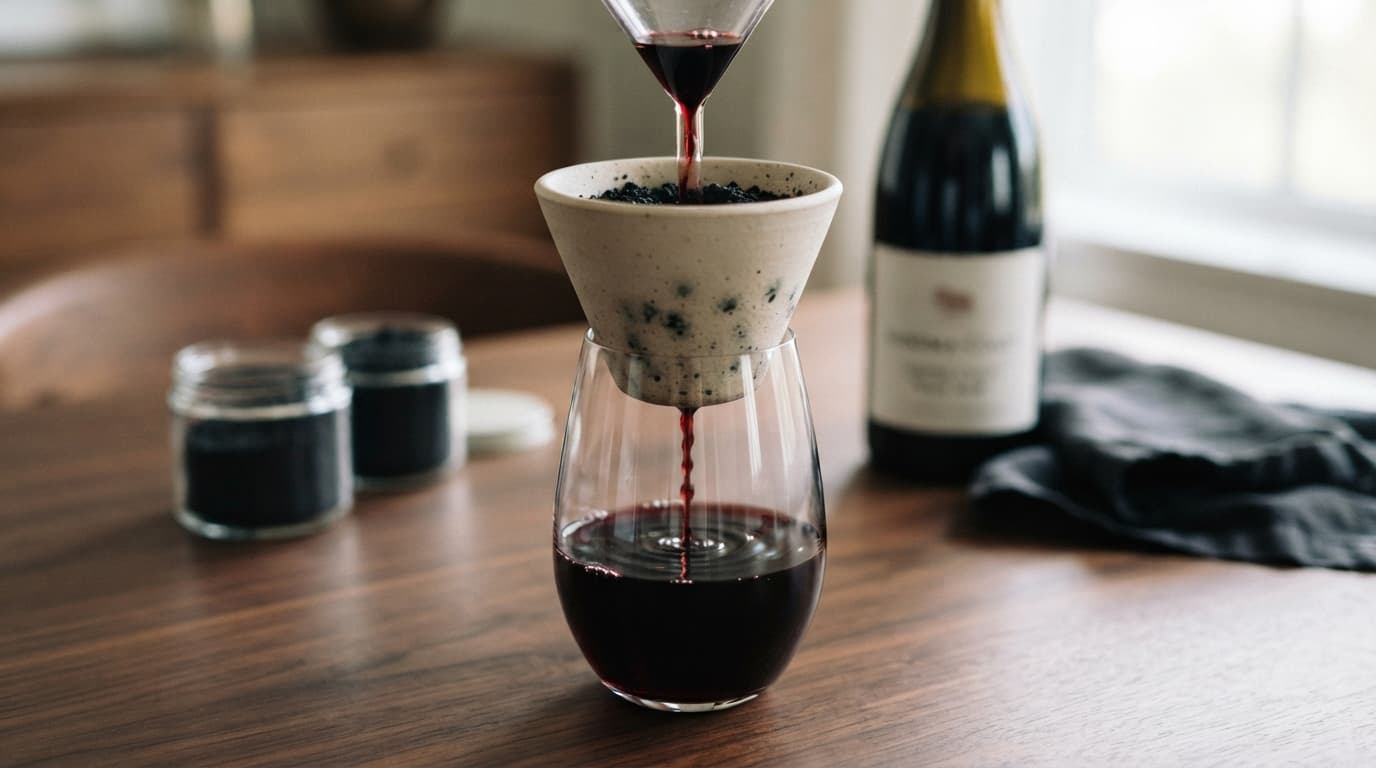
No reliable method removes sulfites from wine after bottling. Wine wands rely only on manufacturer data; lower-sulfite or organic wine is the real alternative.
9 min read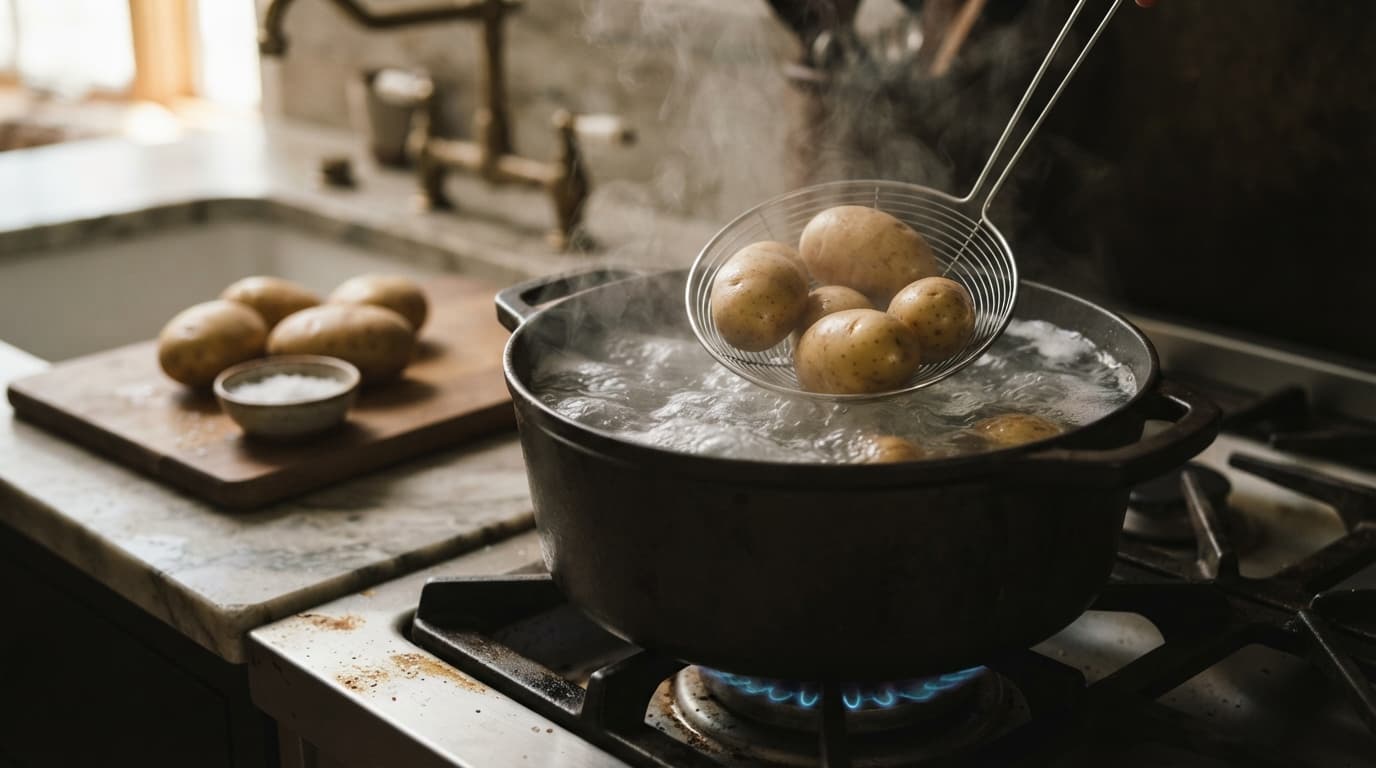
Whole small potatoes take 15-20 minutes to boil, whole russets 25-30 minutes, and cubed potatoes 10-15 minutes. This is a texture question, not a food-safety one.
9 min readTables release two weeks out on Resy, Shukette's own booking platform.
Book Now →