How Long to Bake Salmon at 350°F
Editorial desk · 9 min read · Updated 2026-08-23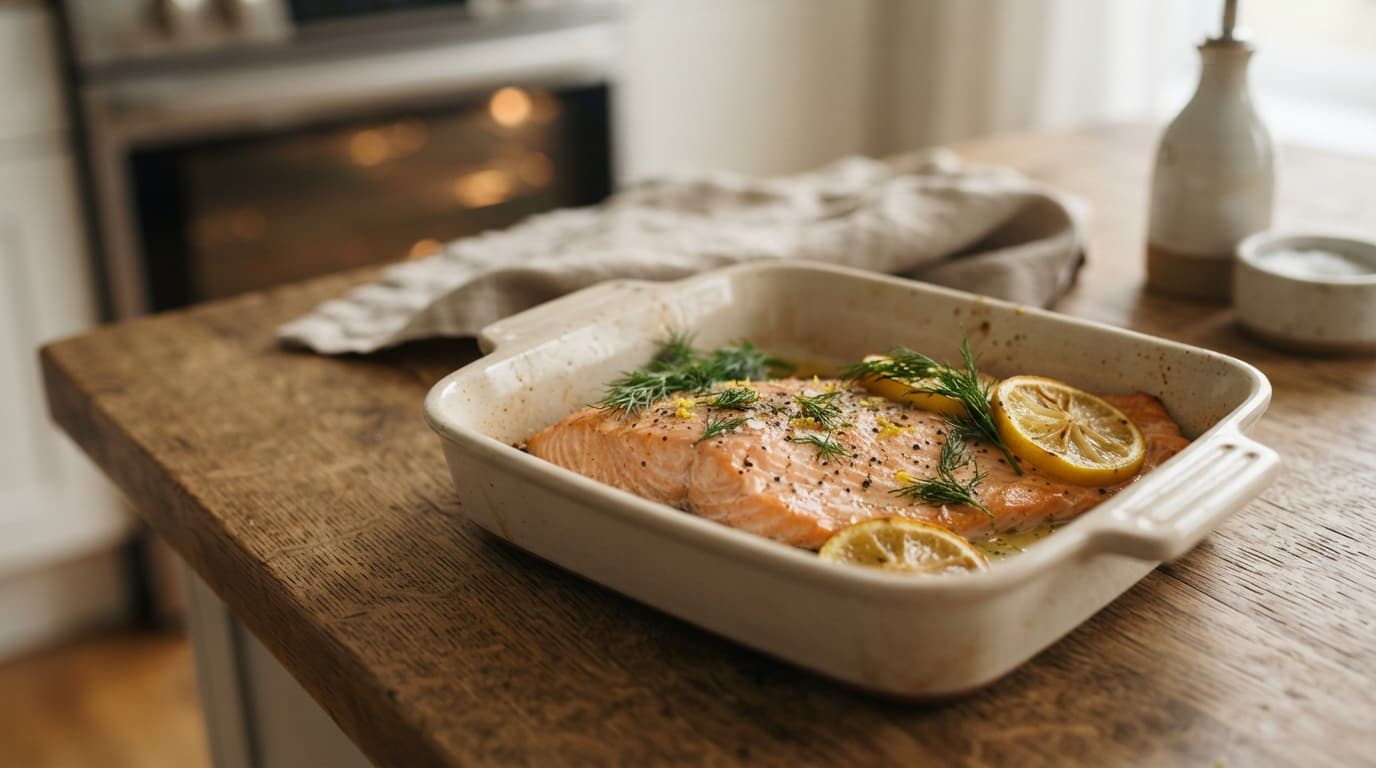
A 1-inch-thick, 1-pound salmon fillet takes about 20 to 25 minutes to bake uncovered at 350°F. That's the range most home cooks and recipe developers land on, and it holds up well as a starting point, but the number that actually determines whether the fish is safe to eat is 145°F internally, the FDA's stated safe minimum for fish, confirmed with a thermometer rather than a clock.
Time is a guideline. Temperature is the standard. Knowing the difference between the two keeps you from either undercooking a fillet that looked done or overcooking one because a recipe's estimate ran short.
Why 20 to 25 minutes is a range, not a guarantee
Every oven runs a little differently, and salmon fillets vary more in shape than people expect. A fillet cut from the thicker end of the fish near the head behaves differently in the oven than a thinner tail-end piece, even if both happen to weigh close to a pound. That's the main reason baking guides give a range instead of a single fixed number: 20 minutes might fully cook a thinner cut, while a thick center-cut piece can need closer to 25 minutes or slightly more.
Starting temperature also plays a role. A fillet pulled straight from the refrigerator and put directly into the oven will generally take a bit longer than one that's been resting at room temperature for 15 to 20 minutes first, since less of the total cooking time goes toward simply raising the fish from a cold start. Neither approach is wrong, but if you're working from a recipe's stated time, it helps to know which starting point that estimate assumed.
The oven setup matters too. A fillet baked directly on a sheet pan cooks a little differently than one baked in a shallow dish with liquid, or wrapped loosely in foil. Foil traps steam and tends to cook salmon a bit faster and gentler than an open sheet pan does, which is worth factoring in if a recipe's time estimate doesn't match the method you're actually using.
The 145°F number is about safety, not preference
The FDA's guidance for seafood states a safe minimum internal temperature of 145°F for fish, salmon included. This is the number that actually confirms the fish has reached a temperature where harmful bacteria have been reduced to a safe level, and it's the figure to check for if food safety is the goal rather than a particular texture.
Checking this requires a thermometer, not a guess. Insert the probe into the thickest part of the fillet, avoiding the very center of a fold or the thinnest tapered edge, both of which can give a misleadingly high or low reading depending on the shape of the cut. If you're baking more than one fillet at a time, check each one individually rather than assuming a uniform tray of salmon will all hit the same internal temperature at the same moment, since even similarly sized pieces can vary slightly.
A thermometer reading also removes the guesswork that comes from relying on a recipe's stated time alone. If 22 minutes has passed and the thickest part of your fillet reads 138°F rather than 145°F, a few more minutes in the oven closes that gap far more reliably than assuming the recipe's estimate was simply correct regardless of what the fish is actually showing.
The lower pull-temperature trend, and why it's a different question entirely
You may have come across recipes or cooking guides that suggest pulling wild salmon around 120°F or farmed salmon around 125°F instead of waiting for 145°F. This is worth understanding clearly, because it answers a different question than the one the FDA's number answers.
The 145°F figure is a stated food-safety minimum. The lower numbers, 120°F for wild salmon and 125°F for farmed, reflect a texture preference some cooks have developed for a moister, softer, more translucent center rather than the firmer, more opaque result 145°F typically produces. Choosing to pull salmon at a lower temperature is a personal decision some home cooks and chefs make, accepting that it falls short of the FDA's safety threshold as a tradeoff for a specific eating experience.
This distinction matters especially if you're cooking for someone with a weaker immune system, someone pregnant, a young child, or an older adult, groups for whom the added safety margin of reaching 145°F matters more than a texture preference does. For general home cooking, knowing both numbers exist, and knowing which one is the actual safety standard versus which one is a preference some cooks choose to accept the tradeoff on, is more useful than treating either one as the single correct answer.
Using the flake test as a secondary check, not a replacement
Fully cooked salmon turns from a translucent, deep pink or orange color to an opaque, lighter shade, and it separates easily into flakes when pressed gently with a fork. This is a genuinely useful visual signal, and it's the check most home cooks grew up using before instant-read thermometers became inexpensive and common.
The flake test works reasonably well as a secondary confirmation, but it shouldn't replace an actual temperature reading if food safety is the priority. Two fillets can look similarly opaque and flaky at noticeably different internal temperatures, particularly if one has been resting longer than the other after coming out of the oven, since carryover cooking continues to firm up the fish even after it leaves the heat. A budget instant-read thermometer removes that ambiguity for a relatively small cost, and accuracy has less to do with price than people assume.
If you don't have a thermometer on hand, the flake test combined with the 20-to-25-minute time range for a standard 1-inch fillet is a reasonable fallback, but it's worth treating as an estimate rather than a confirmed result, the same way you'd treat a visual check on any other protein where a thermometer is the more reliable option.
Thickness matters more than weight
It's tempting to plan baking time entirely around a fillet's weight, since that's usually the number printed on the package. In practice, thickness is the more useful measurement, because heat has to travel from the outside of the fish to its center, and that distance is set by thickness, not by total weight.
A wide, thin 1-pound fillet spread across a larger surface area will generally bake faster than a narrow, thick 1-pound fillet, even though both weigh the same. If you're working from a recipe written for a specific weight but your fillet looks noticeably thicker or thinner than what the recipe describes, adjusting the time based on thickness, checking a few minutes early and using a thermometer to confirm, gets you a more accurate result than following the stated time exactly regardless of shape.
This is also why buying salmon by asking for a specific thickness, rather than a specific weight, can make cooking more predictable if you cook it regularly. A fish counter or butcher can usually cut to a requested thickness, which takes some of the guesswork out of matching a recipe's assumptions to what actually ends up on your sheet pan.
A whole side of salmon presents the same thickness problem on a larger scale. The tail end tapers down to a fraction of the thickness of the center-cut portion, which means a single stated bake time genuinely can't apply evenly across the whole piece. Some cooks handle this by tucking the thin tail end underneath itself before baking, effectively doubling its thickness so it finishes closer to the same time as the rest of the fillet, rather than drying out well before the center is done.
A lot of inconsistent baking results trace back to inconsistent salmon, not an inconsistent oven. Fillets cut unevenly, noticeably thicker on one side than the other, are much harder to cook through evenly regardless of how carefully you manage time and temperature. Asking a fish counter for a fillet with as even a thickness as possible, rather than grabbing whatever's already packaged, solves a lot of timing frustration before it starts.
Fresh versus previously frozen salmon can also behave slightly differently in the oven, since previously frozen fish sometimes releases a bit more moisture as it cooks. This doesn't change the safe temperature target, but it can mean a slightly wetter sheet pan and a marginally different texture at the same internal temperature. Thawing frozen salmon fully in the refrigerator before baking, rather than baking it from a partially frozen state, keeps the total time closer to what a standard recipe assumes.
How seasoning and toppings shift the timing
What you put on top of the salmon before it goes into the oven changes how the heat reaches the fish, sometimes more than people expect. A dry rub or a thin brush of oil barely affects timing at all, since it adds almost no mass for the oven to heat through first.
A thicker topping is a different story. A generous layer of a wet glaze, a mustard-and-herb crust, or a mound of chopped vegetables piled on top acts as a bit of insulation, and can add a few extra minutes to the time it takes the fish underneath to reach a safe internal temperature. This is worth factoring in in the same way fillet thickness is: check a few minutes early rather than assuming a standard 20-to-25-minute window still applies once you've changed what's actually sitting on top of the fish.
Cooking salmon in a foil packet with vegetables and a splash of liquid changes the math again. The trapped steam inside a sealed packet cooks the fish a bit more gently and evenly than an open sheet pan, and packets often finish within the same general range, though it's worth opening one carefully partway through to check rather than assuming the packet method behaves identically to an open bake.
Putting it together for a reliable bake
Preheat the oven fully to 350°F before the salmon goes in, since starting in a partially heated oven throws off any time estimate from the start. Place the fillet on a lined sheet pan or in a shallow baking dish, season it however your recipe calls for, and set a timer for 18 minutes as a first check point rather than waiting the full 20 to 25 minutes before looking at it.
At that first check, insert a thermometer into the thickest part of the fillet. If it reads below 145°F, return it to the oven in short increments, checking every 3 to 4 minutes, rather than guessing at an additional block of time. Once it reads 145°F in the thickest section, or you've made an informed decision to pull it earlier for a specific texture preference, it's ready to come out.
A well-baked piece of salmon is a solid centerpiece for a table that's also working through smaller shared plates, not unlike the shareable, mezze-first structure Shukette builds a group order around, where a grilled main gets divided across the table rather than plated as a single entrée per person. Baking salmon at home for a group works on a similar logic: one well-timed fillet, checked properly, feeds more people than treating each portion as its own separate cooking project.
Leftover baked salmon is worth handling with the same care as any other cooked protein once it comes off the sheet pan. Refrigerate it within two hours of baking, and treat it similarly to how you'd track and store other cooked leftovers, since cooked fish doesn't get an indefinite pass just because it started out lean and mild. Reheating leftover salmon gently, rather than blasting it back up to full oven heat, also helps it avoid drying out a second time.
If none of this timing math sounds appealing on a weeknight, a kitchen that's already built around a wood-fired grill and a menu of shareable plates, the kind Shukette runs in Chelsea, has already solved the thickness-and-thermometer problem at a scale a single home sheet pan never will. Either path gets you to a properly cooked piece of fish; one just asks you to own the timer and the thermometer yourself.
Frequently asked questions
How long does it take to bake a 1-pound salmon fillet at 350°F?+−
About 20 to 25 minutes uncovered, assuming the fillet is roughly an inch thick. Thickness matters more than weight, so a thinner 1-pound fillet spread across a wider cut will bake faster than a thick, narrow one.
What temperature should salmon reach to be safe to eat?+−
The FDA's safe minimum internal temperature for fish is 145°F, checked with a food thermometer in the thickest part of the fillet. That's the number to rely on rather than baking time alone, since oven performance and fillet thickness both vary.
Why do some recipes say to pull salmon at 120°F or 125°F instead of 145°F?+−
That lower number is a texture preference, not a safety recommendation. Some cooks pull wild salmon around 120°F and farmed salmon around 125°F because they prefer a moister, more translucent center, accepting that it falls short of the FDA's stated safety minimum as a personal tradeoff.
How can I tell if salmon is done without a thermometer?+−
Fully cooked salmon turns opaque and flakes easily when pressed with a fork, which is a reasonable secondary check. It shouldn't replace a thermometer reading, though, since visual cues can be misleading depending on the cut and how it was handled beforehand.
Does a thicker salmon fillet need a lot more time in the oven?+−
Yes, thickness affects baking time more directly than weight does. A thick, narrow 1-pound fillet can need noticeably longer than a thin, wide 1-pound fillet, so it's worth judging by thickness first and treating weight as a rough secondary guide.
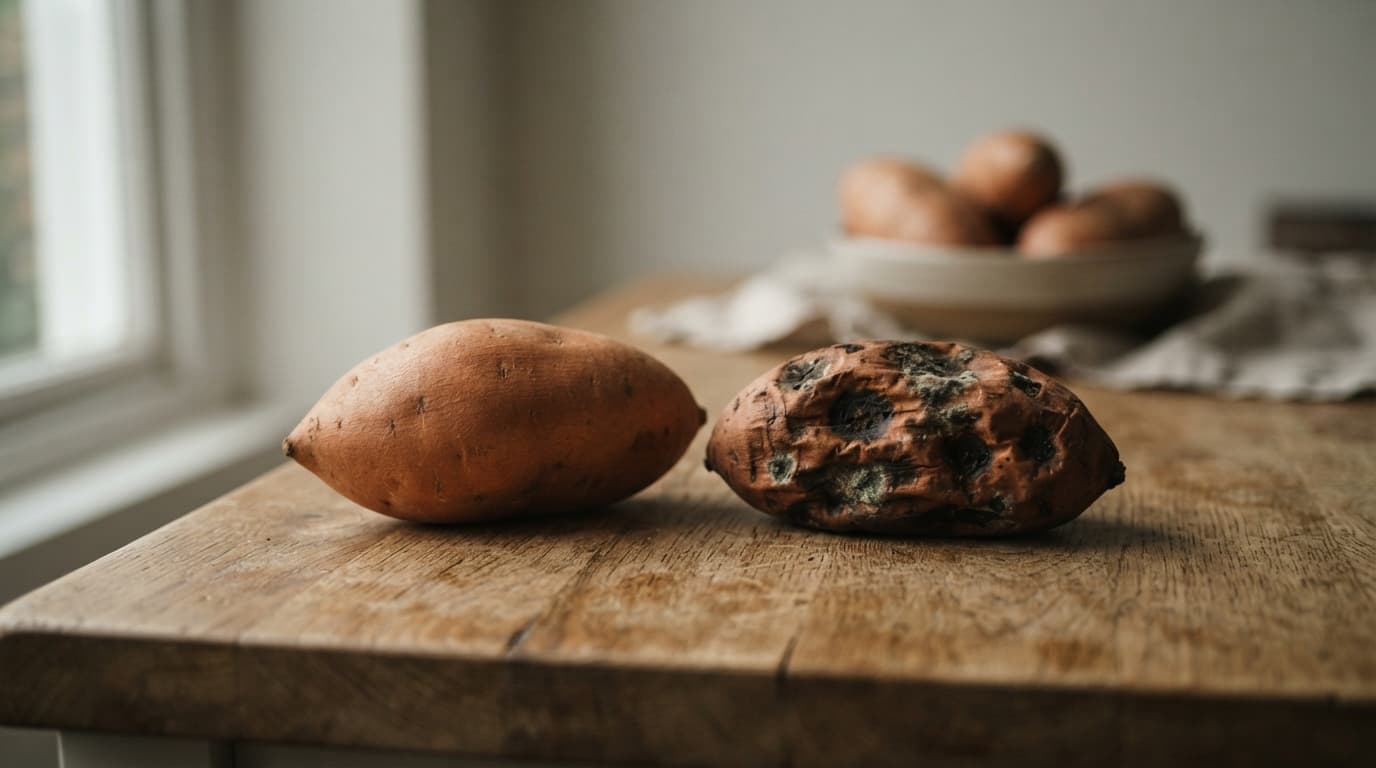
A bad sweet potato has soft spots, mold, dark spots, wrinkled skin, or a sour smell. Sprouted sweet potatoes stay safe if otherwise firm, unlike white potatoes.
10 min read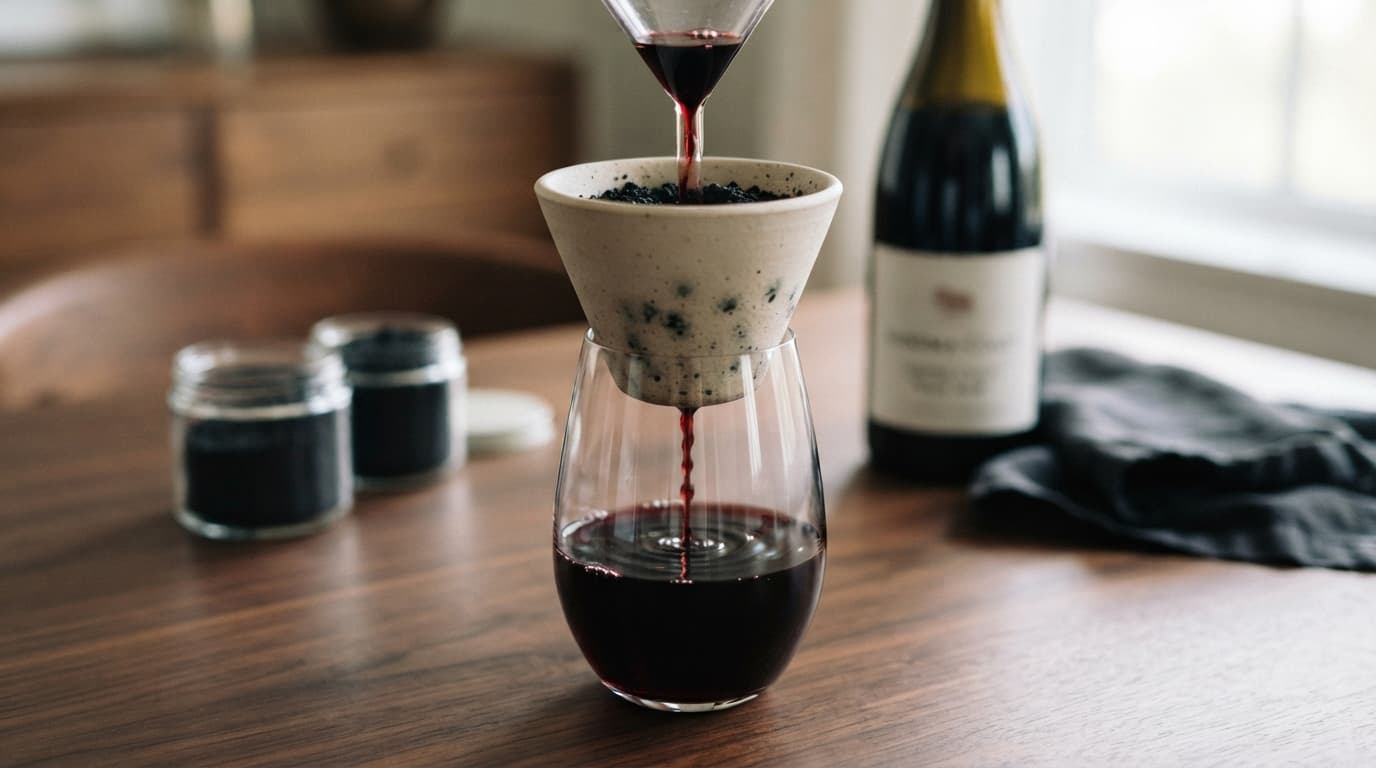
No reliable method removes sulfites from wine after bottling. Wine wands rely only on manufacturer data; lower-sulfite or organic wine is the real alternative.
9 min read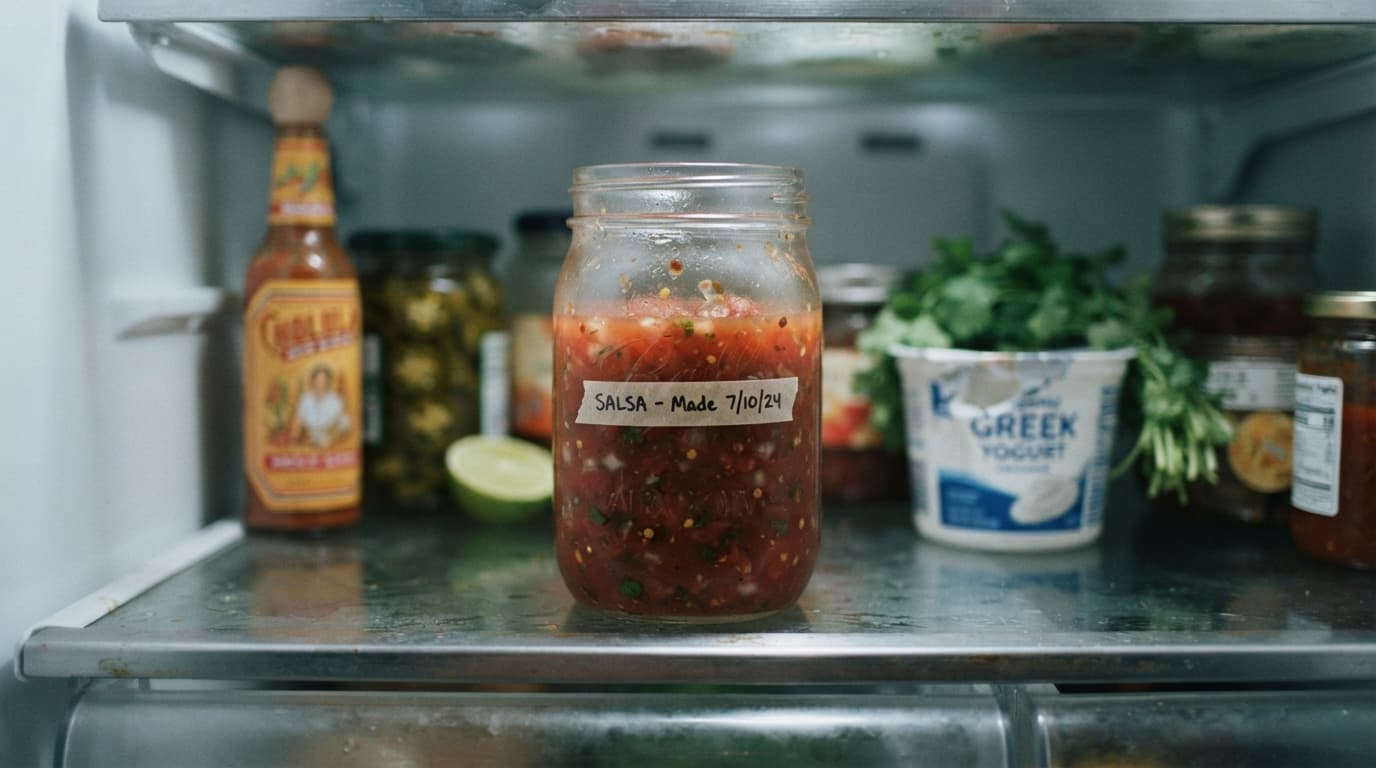
Homemade salsa lasts 3-5 days refrigerated. Opened jarred salsa is good for about a month, while refrigerated-case fresh salsa runs shorter, around 7-14 days.
9 min readTables release two weeks out on Resy, Shukette's own booking platform.
Book Now →