What Is Delmonico Steak?
Editorial desk · 9 min read · Updated 2026-08-22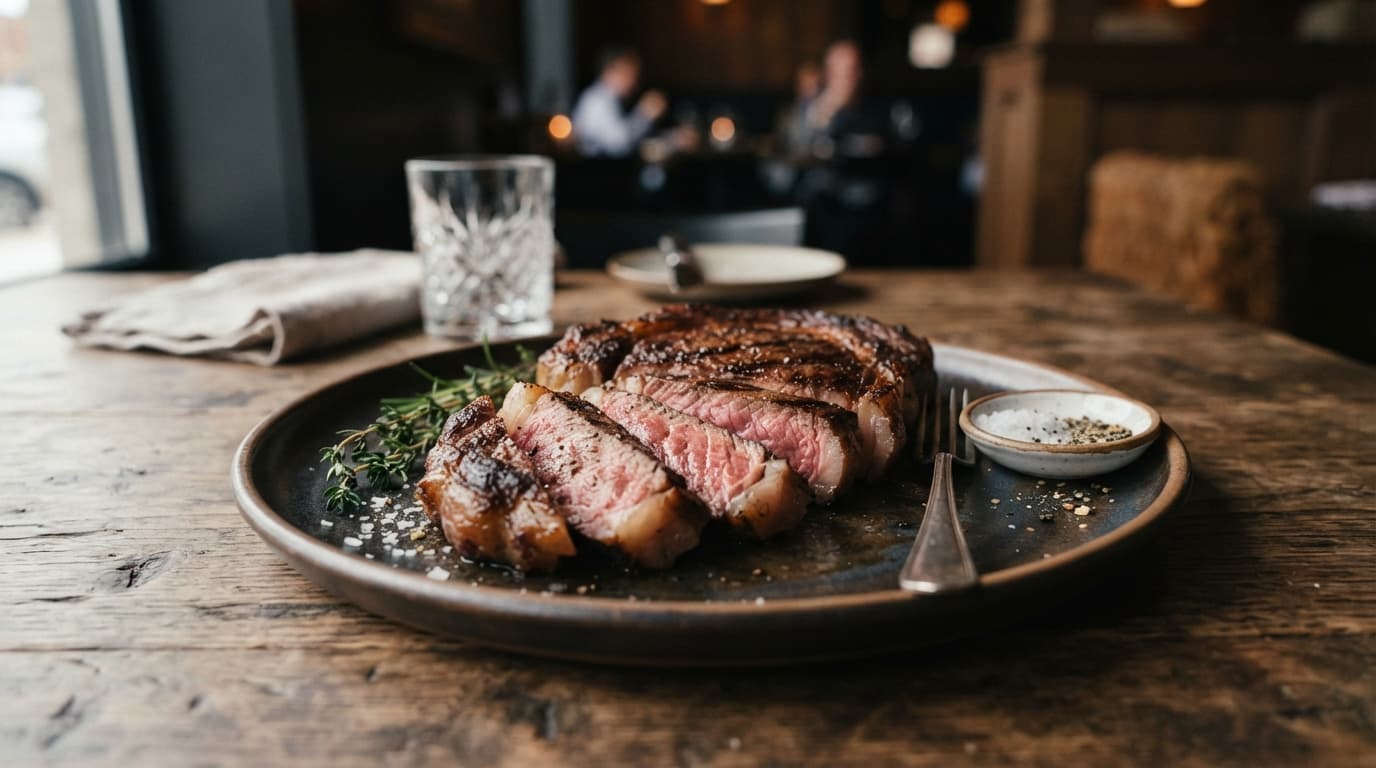
There's no single, fixed answer to what cut of beef a Delmonico steak actually is, and that's the most useful thing to know about it. The name traces back to Delmonico's, a famous New York restaurant that opened in 1837 and is widely credited as America's first fine-dining establishment. Its kitchen popularized a specific thick-cut steak around 1850 that became known as the Delmonico. Since then, though, the name has been applied inconsistently across different butchers and restaurants, to ribeye, strip steak, top sirloin, and other cuts, with no USDA standard behind it to settle the question.
This isn't a case where this guide simply doesn't know the answer; it's a case where the beef industry itself never settled on one, and pretending otherwise would be less accurate than explaining why.
The real history behind the name
Delmonico's restaurant, founded by Swiss immigrant brothers Giovanni and Pietro Delmonico, opened its restaurant operation in 1837 in New York's Financial District and is widely credited as the first true fine-dining restaurant in the United States. It introduced innovations that seem obvious now but were genuinely novel at the time: a printed menu guests could order from, individual tables rather than communal seating, and tablecloths, among other firsts.
Around 1850, the restaurant's kitchen developed a signature thick-cut steak, prepared simply with salt, pepper, and butter, that became known as the Delmonico steak. That dish became famous enough that the name spread well beyond the restaurant itself, adopted by other establishments and butchers eager to associate their own offerings with Delmonico's considerable reputation.
Delmonico's broader legacy extends well past this one dish. The restaurant is also commonly, though not entirely undisputedly, credited as the birthplace of dishes like eggs Benedict and baked Alaska, alongside its clearer, better-documented influence on American fine dining as a whole: separate tables instead of communal seating, the very concept of ordering individually from a printed menu, both innovations that shaped restaurant culture in ways taken for granted today rather than recognized as things that had to start somewhere. The steak carrying its name is really just one piece of a much larger culinary legacy tied to that single restaurant.
Why the name lost its fixed meaning over time
The trouble is that beef cut naming conventions weren't standardized in the mid-1800s the way they are today, and by the time more formal cut classifications did develop, "Delmonico" had already been used loosely enough, by enough different butchers and restaurants, that no single cut had a clear claim to the name. Some establishments applied it to a thick ribeye, since that matches many historical descriptions of the original dish. Others applied it to a strip steak, a top sirloin, or occasionally even a chuck eye, depending on regional butchery traditions and what a given restaurant wanted to call its own premium offering.
By the time anyone might have wanted to formally standardize the term, it had already spread too far in too many directions for any single definition to take over. Unlike more recently named cuts that entered common use alongside modern, standardized meat identification systems, Delmonico predates that infrastructure entirely, which is exactly why it never got folded into a fixed, universal definition the way many other cut names eventually did.
Regional butchery traditions played a real role in this drift too. A butcher in one part of the country, trained within a specific regional tradition of how cuts were separated and named, might have applied "Delmonico" to whatever cut in their own tradition most closely matched the reputation, thick, well-marbled, premium, without necessarily using the exact same underlying muscle a butcher in a different region would choose for the same name. Multiply that kind of regional variation across more than a century, and the current patchwork of Delmonico definitions becomes much easier to understand as a natural, gradual outcome rather than a mystery.
The rise of national grocery chains and standardized meat packaging in the 20th century actually widened this gap rather than closing it. As large retailers developed their own internal naming conventions for cuts sold under recognizable, marketable names, some applied "Delmonico" to whatever premium boneless steak fit their own supply chain most conveniently, often a ribeye or a top loin steak depending on what a given chain's beef supplier already had in volume. This meant the name kept spreading into new regions and new stores throughout the century, but each new adopter was working from their own regional or corporate precedent rather than any shared, agreed-upon reference point, which only deepened the inconsistency rather than resolving it over time.
What Delmonico usually signals, even without a fixed cut
Despite the inconsistency in which specific cut carries the name, "Delmonico" reliably signals something across nearly all of its uses: a well-marbled, thick-cut steak intended to be a premium menu item. Whether a specific restaurant's Delmonico turns out to be ribeye, strip, or something else, it's very rarely a thin, lean, or otherwise unremarkable cut wearing the name for no reason. The name has retained its association with quality and thickness even as the specific cut behind it drifted.
This means ordering a Delmonico steak, without knowing in advance exactly which cut a specific restaurant means by it, is a reasonably safe bet if what you're actually looking for is a well-marbled, substantial steak rather than a specific cut by a different name. If the exact cut matters to you, for dietary reasons, a specific cooking method you're planning, or simply personal preference between a ribeye's fattier profile and a strip's leaner one, asking directly is the only reliable way to know what you'll actually receive.
Preparation style has also stayed relatively consistent even as the underlying cut has drifted. The original Delmonico's approach, simple seasoning, high heat, finished with butter, remains the most common way the dish is still prepared today regardless of which specific cut a given kitchen uses. That consistency in technique, even without consistency in cut, is part of why the name still carries real meaning despite its ambiguity: it describes an approach to cooking a good steak simply and well, more than it describes one specific piece of the animal.
How this compares to a cut with an actual fixed definition
This uncertainty is a genuine contrast to a cut like the tomahawk steak, which has a specific, consistent definition, a ribeye with the full rib bone left long and frenched, regardless of which butcher or restaurant you're buying from. The tomahawk's name describes a specific cutting technique applied to a specific cut of beef; Delmonico's name describes a historical reputation that got attached to several different cuts over time without ever settling on one.
Recognizing this difference is useful more broadly: some cut names describe something precise and consistent, verifiable against an actual industry specification, while others, Delmonico among the most famous examples, describe a tradition or a reputation rather than a fixed, checkable cut. Neither kind of name is more legitimate than the other, but knowing which category a given name falls into changes how much you should expect consistency across different sources.
A similar pattern shows up with several other historically named dishes and cuts beyond beef entirely, names that trace back to a specific restaurant, chef, or region and carried real prestige at one point, but drifted in meaning as they spread beyond their original source. Recognizing Delmonico as one example of that broader pattern, rather than a strange, isolated exception, makes it easier to approach any similarly named dish or cut with the right expectation: check the history if you're curious, but don't assume the name pins down one exact, verifiable answer the way a modern, standardized cut name would.
What to do if you actually want to know
If you're at a restaurant or a butcher counter and the specific cut behind "Delmonico" matters to you, the only reliable path is asking directly rather than assuming any one answer applies universally. A server or butcher can tell you exactly what their specific Delmonico is, and that answer is more useful than any general guide, this one included, could be, precisely because the name's actual meaning varies restaurant to restaurant and region to region.
This is also a reasonable moment to ask about how the specific cut is prepared, not just which cut it is, since cooking approach affects the eating experience as much as the underlying muscle does. A well-marbled ribeye and a leaner strip steak benefit from somewhat different cooking approaches given their different fat content, so knowing which one you're actually getting helps you set realistic expectations for texture and doneness before the steak ever arrives at the table, the same reason it's worth checking a restaurant's menu ahead of a reservation if a specific dish or preparation matters to you.
None of this makes asking an awkward question to raise at the table. Restaurant staff generally expect and welcome a direct question about a specific menu item, particularly one with as much genuine ambiguity built into its name as Delmonico carries, and a good server or butcher is usually glad to clarify rather than treating the question as an inconvenience. Framing it simply, asking what cut their Delmonico specifically is that night, gets a clear answer far more reliably than trying to guess based on price, menu description, or regional assumption alone.
A diner drawn to the name specifically because it signals a quality, well-marbled steak, rather than because a particular cut matters to them, can generally trust that signal even without knowing the exact underlying cut, given how consistently the name has retained that association despite over a century of inconsistent application to different specific cuts. A restaurant confident enough to put the name on its own menu is usually leaning on exactly that inherited reputation, whichever specific cut happens to be behind it that night.
This same principle, that a name's reputation can outlast its original specificity, is worth remembering the next time you encounter a dish or cut name with an unusually rich history behind it. Sharing a well-marbled steak across a group works regardless of whether the specific cut on the table is technically a ribeye, a strip, or something else marketed under a historically loaded name; what actually matters at the table is the quality of the meat and how it's cooked, not the precise lineage of its name.
A real name, without a fixed cut behind it
Delmonico steak is a real historical name with a real, well-documented origin at a genuinely important restaurant in American culinary history, but it was never tied to one specific, standardized cut of beef the way more recently named cuts often are. Depending on where you order it, you might get a ribeye, a strip steak, a top sirloin, or something else entirely, and none of those answers is more "correct" than the others given how the name actually evolved. If the specific cut matters, ask. If you're just looking for a well-marbled, thick, historically significant steak name to order, Delmonico reliably delivers exactly that experience, even without a single fixed cut standing behind it.
That combination, a name carrying real weight and history while pointing to no single fixed answer, is unusual enough in the modern food world that it's worth appreciating on its own terms rather than treating it as a gap or a flaw in how the industry named things. Most cuts on a menu today trace back to a standardized specification precisely because that kind of consistency serves both diners and the supply chain well. Delmonico is one of the rarer names that predates that entire system and never fully joined it, which makes it as much a small piece of living culinary history as it is a steak.
Frequently asked questions
What cut of beef is a Delmonico steak?+−
There's no single, fixed answer. Depending on the butcher or restaurant, Delmonico can refer to a thick-cut boneless ribeye, a top loin steak, a New York strip, top sirloin, or even chuck eye. It's a historical name rather than a USDA-defined cut.
Why doesn't Delmonico steak have one standard definition?+−
The name originated at Delmonico's, a famous 19th-century New York restaurant, before any standardized beef cut naming system existed. By the time such systems were established, the name had already spread and been applied inconsistently across different establishments.
Is Delmonico steak usually a good quality cut?+−
Generally, yes, even without a fixed definition. Across its different regional and butcher-specific uses, the name almost always refers to a well-marbled, thick-cut steak, so ordering one is a reasonably safe bet even without knowing exactly which specific cut you'll get.
Should I ask what cut a restaurant means before ordering Delmonico steak?+−
It's a reasonable question if the specific cut matters to you, since restaurants genuinely vary in what they serve under that name. If you're simply looking for a well-marbled, thick steak, the name delivers on that expectation reliably even without a fixed cut behind it.
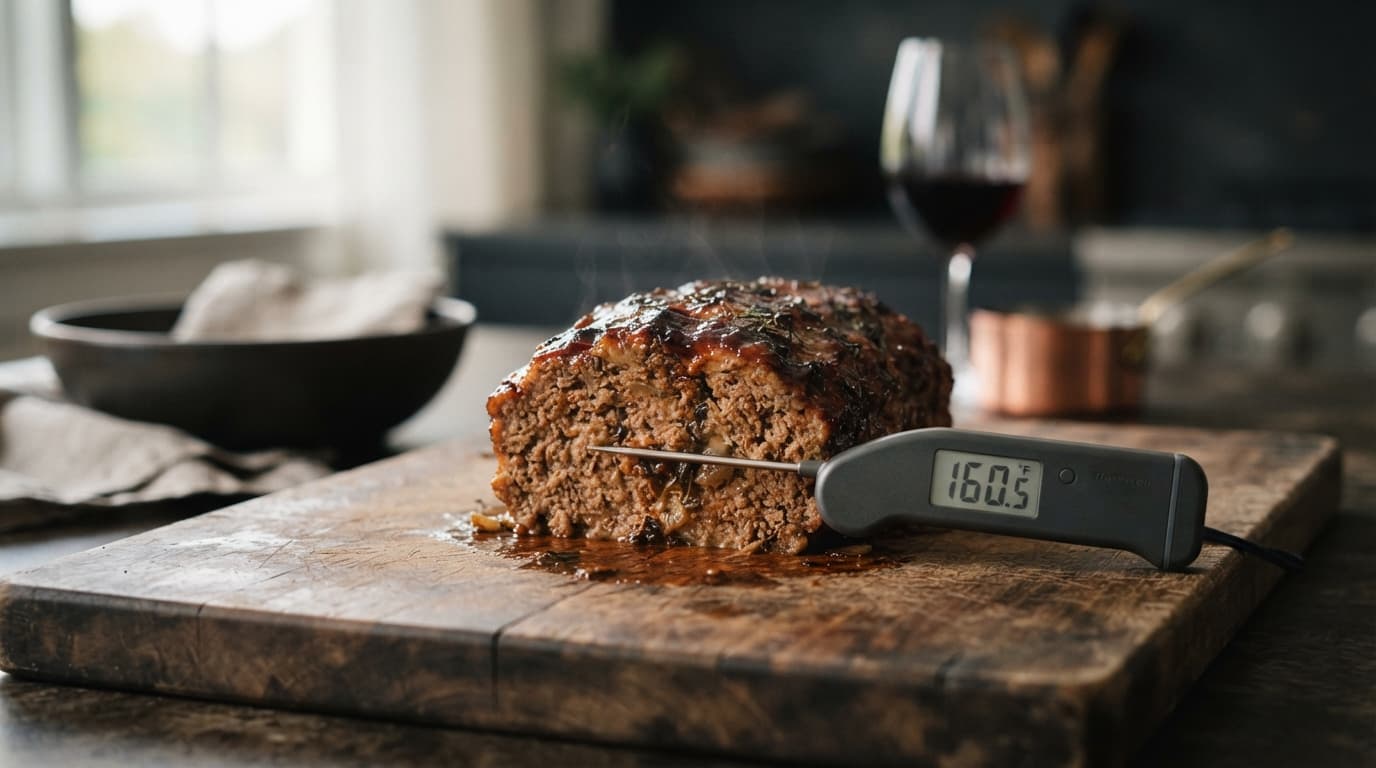
160°F, per USDA guidance for ground meat, beef, pork, veal, or a mix. That's higher than whole-cut beef's 145°F minimum, for a specific reason.
9 min read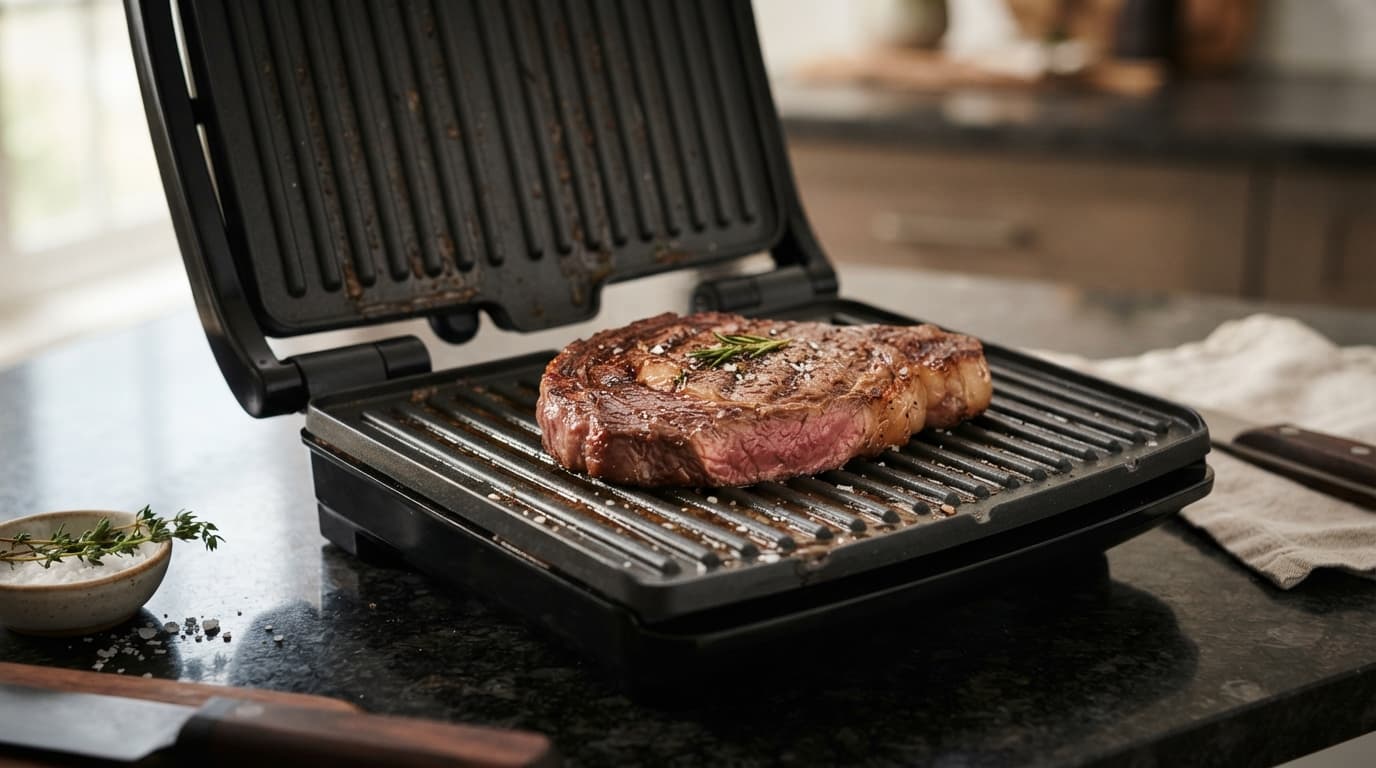
A 1-inch steak takes about 4-7 minutes for medium-rare on a contact grill, since both sides cook at once. Thickness affects time more than the clock does. Confirm 145°F.
10 min read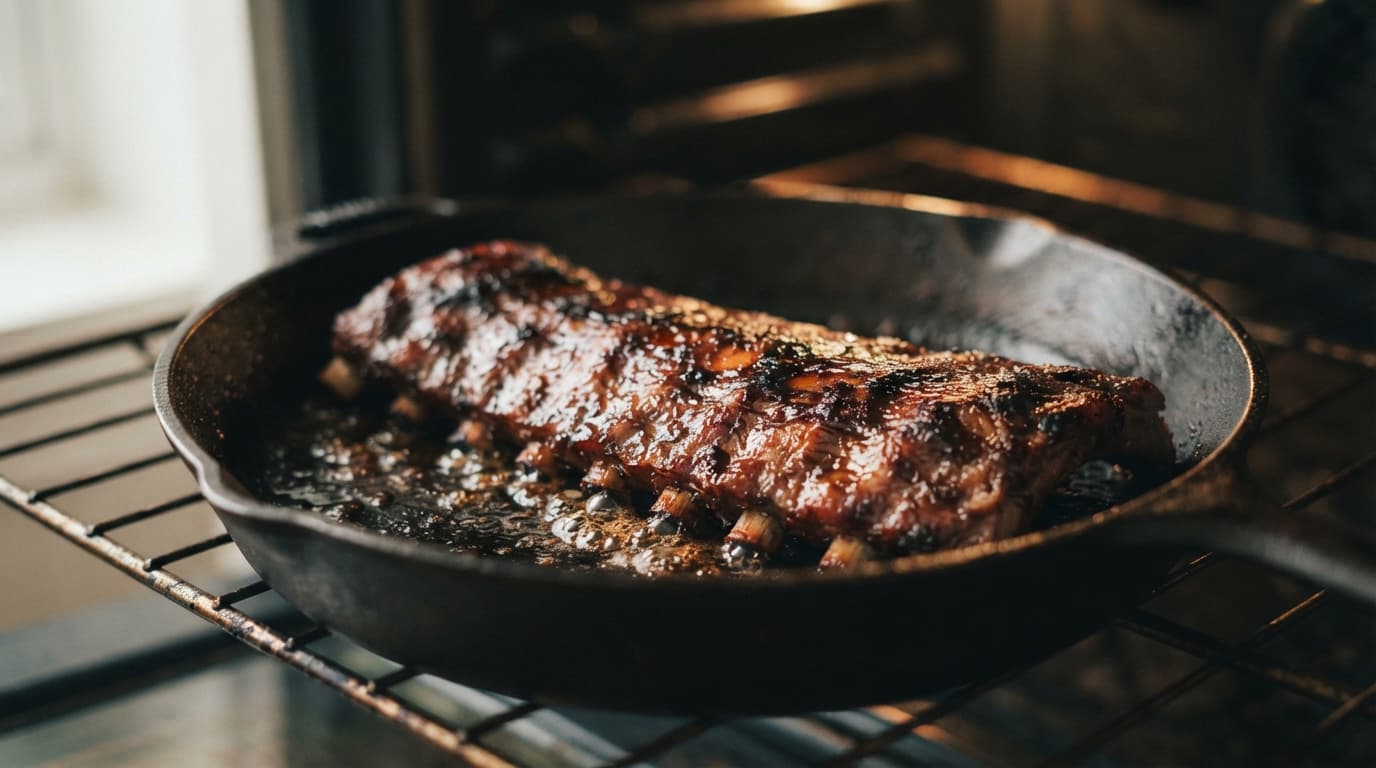
Precooked ribs need reheating to 165°F, not cooking from raw. The practitioner approach is about 250°F for 20 to 30 minutes, foil-wrapped with added moisture.
9 min readTables release two weeks out on Resy, Shukette's own booking platform.
Book Now →