What Is a Tomahawk Steak?
Editorial desk · 9 min read · Updated 2026-08-22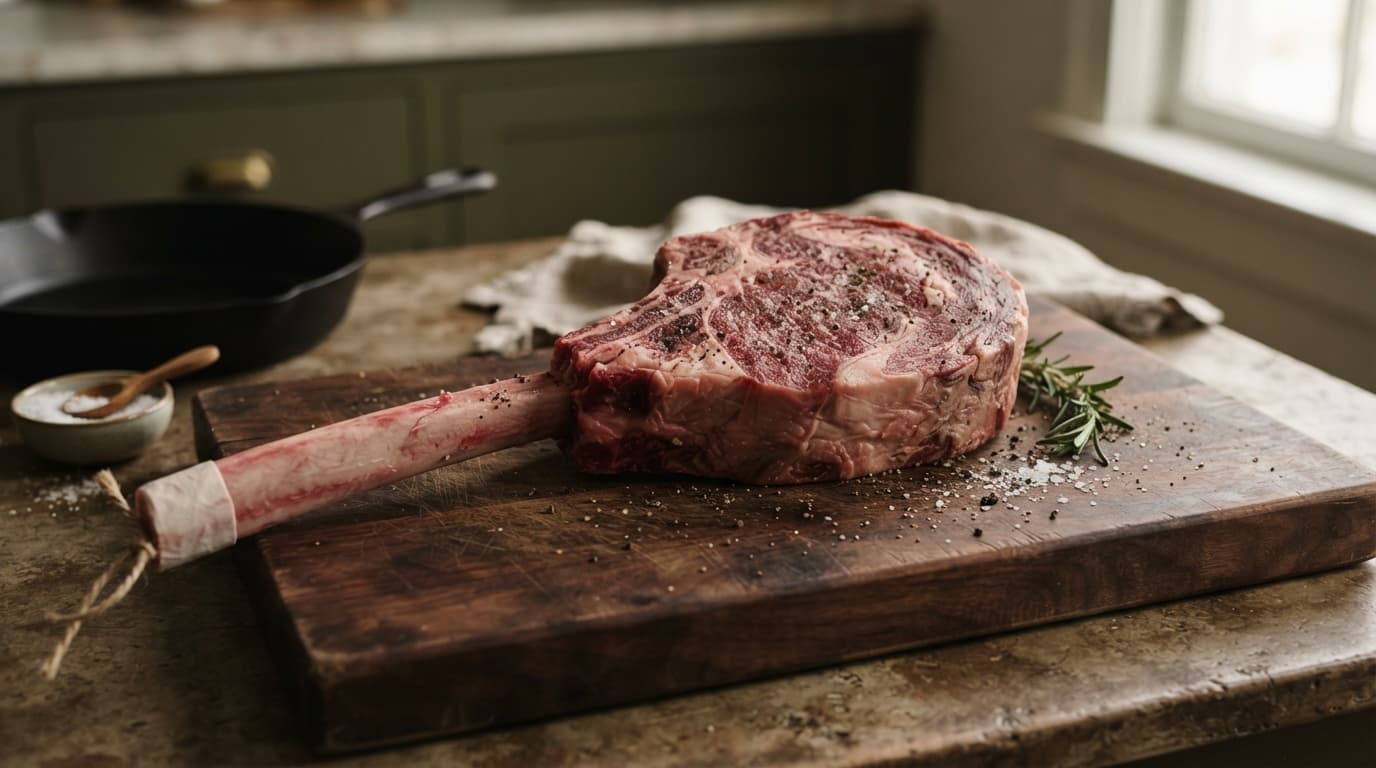
A tomahawk steak is a bone-in ribeye cut with the full rib bone left long and cleaned, a process called frenching, rather than trimmed away close to the meat. It's generally cut about 2 inches thick, and the meat itself is the same ribeye used for any other ribeye steak; what sets a tomahawk apart is entirely about how the bone is left attached and presented, not a different underlying cut of beef.
The name comes from the steak's resemblance to a tomahawk, the handled striking tool historically used by a number of Native American nations, with the long, exposed bone standing in for the tool's handle. It's a visual comparison rather than any connection to how the cut is prepared or where the naming convention originated within the meat industry.
The bone, not the meat, is what defines it
A tomahawk steak comes from the same rib section of the animal as a standard ribeye, and the meat portion of a tomahawk is, in terms of the actual cut of beef, identical to a boneless ribeye steak. What changes is exclusively how the butcher handles the rib bone during cutting: rather than trimming it away close to the meat, as happens with most retail ribeye steaks, the full length of the bone is left attached and frenched, meaning the meat, fat, and connective tissue along that exposed length of bone are carefully scraped away to leave a clean, presentable handle.
This means ordering or buying a tomahawk isn't ordering a fundamentally different cut of beef than a ribeye; it's ordering the same ribeye with a specific, dramatic bone presentation attached. Anyone deciding between a tomahawk and a standard boneless ribeye is really choosing based on presentation, portion size, and price rather than a meaningfully different eating experience from the meat itself.
Size and thickness
Because the steak is cut to accommodate the full rib bone, tomahawks are typically cut thicker than a standard ribeye, generally around 2 inches, and the combination of that thickness and the attached bone means a tomahawk often weighs considerably more than a typical single-portion steak. It's common enough for a tomahawk to be sized for two people to share rather than serve as an individual portion, which is worth knowing if you're ordering one at a restaurant or buying one to cook at home and planning quantities around it.
This size also affects cooking time and technique more than a standard ribeye would. A steak this thick needs a different approach than a quick sear alone can provide, since high heat applied for a short time browns the outside well before the center, especially with that much total mass, has caught up to a safe and desired internal temperature.
Pricing tends to reflect all of this: the larger portion size, the extra labor involved in frenching the bone, and the visual appeal that makes it a premium menu item. Per pound, a tomahawk often costs more than a comparable boneless ribeye, partly because that exposed bone adds weight to the total price without adding edible meat, and partly because of the extra butchery work required to clean and present it properly.
Tomahawk versus cowboy steak
A related cut, the cowboy steak, is often confused with the tomahawk, and the distinction is worth knowing since they're frequently discussed together. Both are frenched, bone-in rib steaks, but a cowboy steak's bone is trimmed shorter, closer to the meat itself, while a tomahawk's bone is left at its full, dramatic length. The cowboy steak still has a visible bone and the same frenched presentation technique, just without the tomahawk's signature long handle.
Both cuts come from the same rib section and share the same underlying meat quality; the difference is purely about how much of the bone the butcher chooses to leave attached and expose. If you're comparing the two at a butcher counter or on a menu, the bone length is the reliable way to tell them apart, since the meat itself doesn't differ between the two presentations.
Not every dramatically named steak carries a definition this consistent, though. Delmonico steak is a useful contrast: unlike the tomahawk and cowboy steak, which both trace to a specific, verifiable cut and bone-trimming technique, Delmonico has been applied to several different cuts over its long history, with no single fixed answer behind the name at all.
Does the bone actually change the flavor?
This is a genuinely debated point among cooks and chefs rather than a settled fact. Some argue that cooking meat on the bone adds flavor, whether through marrow contribution or some other mechanism, while others contend that the bone's main contribution is visual drama and a striking presentation rather than a meaningful flavor difference, and that the extra bone actually complicates even cooking rather than improving the result.
What isn't in dispute is that the meat itself, the ribeye portion, is the same regardless of bone length, since it comes from the same section of the animal and carries the same marbling characteristics either way. If flavor from the bone specifically is your primary interest, that's a genuinely unresolved question rather than one with a clear, agreed-upon answer, and it's reasonable to form your own opinion on it rather than treating either side of the debate as definitively settled.
Marbling, the visible flecks and streaks of fat running through the muscle, is the actual driver of a ribeye's flavor and tenderness, tomahawk or otherwise, and it's determined by the specific animal and grading rather than by how the bone was trimmed. A well-marbled tomahawk and a well-marbled boneless ribeye from the same grade of beef should taste essentially the same in the meat itself; a poorly marbled tomahawk won't taste better than a poorly marbled standard ribeye just because it has a dramatic bone attached.
Cooking a cut this thick and irregular
A tomahawk's thickness and the attached bone both complicate cooking compared to a standard, flatter steak. The bone itself doesn't conduct heat the same way the surrounding meat does, which means a thermometer reading taken too close to the bone can be misleading in either direction. Insert the probe into the thickest part of the meat itself, away from the bone, the same general principle that applies to checking any bone-in cut accurately.
Given the steak's substantial thickness, a two-stage cooking approach, searing the exterior at high heat, then finishing at a lower temperature either in the oven or moved to indirect heat on a grill, tends to work better than trying to cook the whole thing at one consistent high heat the entire time. This mirrors the same logic used for other thick or unusually shaped cuts that need to develop color on the outside without overcooking before the center catches up, even though beef and pork carry different safety temperature targets.
Resting after cooking matters more for a cut this large than it would for a thinner, quicker-cooking steak. Given the total mass involved, a longer rest, often 10 minutes or more compared to the few minutes recommended for a standard steak, gives juices meaningfully more time and distance to redistribute through the meat before carving, which noticeably affects how much liquid ends up on the cutting board versus staying in the meat itself.
A tomahawk's size also means leftovers are common even among a hungry group, so it's worth planning for how to bring a slice back to temperature without drying it out the next day, rather than treating a perfectly cooked cut as a one-meal proposition.
Carving a tomahawk also differs from slicing a standard steak, given the bone running through part of it. Removing the meat from the bone in one piece before slicing against the grain, rather than trying to cut through or around the bone slice by slice, generally produces cleaner, more even portions, especially when serving the steak to more than one person from a single piece.
A large cutting board with a moat or channel to catch juices is worth using here, given how much liquid a rested steak this size tends to release once carving begins. Presenting the carved slices back alongside the bone, rather than clearing the bone away entirely, keeps the dramatic visual the cut is known for intact even after it's been portioned for serving, which matters if part of the appeal of ordering or cooking a tomahawk in the first place was the presentation itself.
Why it shows up more on menus and social media than home kitchens
The tomahawk's dramatic presentation makes it a natural fit for a restaurant menu or a photo-worthy dining experience, which is a meaningful part of why it's become so recognizable well beyond people who regularly cook or shop for specific cuts of beef. That same visual appeal, combined with its larger size and higher price relative to a standard ribeye, means it's less commonly a routine weeknight purchase and more often reserved for a specific occasion or a restaurant order.
Not every restaurant that serves ribeye offers a tomahawk specifically, given the extra butchery work and the larger portion size it requires, so it's genuinely a menu item worth confirming in advance if trying one is the whole point of a specific dinner plan rather than an incidental option.
What you're actually paying for
A tomahawk steak is a ribeye, full stop, cut and presented with the full-length, frenched rib bone left attached rather than trimmed away. The meat quality and marbling match any other ribeye from the same grade and source; what you're paying extra for is the bone, the size, and the presentation, not a fundamentally different or superior cut of beef. Understanding that distinction is useful whether you're deciding if the premium is worth it to you, or simply want to know what's actually different the next time you see one on a menu or at a butcher counter.
This same underlying logic, that a dramatic presentation and an underlying cut of meat are two separate things worth evaluating independently, applies well beyond steak specifically. A dish's visual impact can genuinely enhance an experience, especially for a special occasion or a shared meal meant to feel like an event, without that impact necessarily reflecting a difference in the actual food quality underneath. Recognizing when you're paying for presentation versus paying for meaningfully better ingredients is a useful skill at a butcher counter, a steakhouse, or really any situation where a dramatic version of a familiar dish costs more than the plainer version.
For a tomahawk specifically, that premium buys a genuine experience: the size suits sharing, the presentation suits an occasion, and the bone gives you something to talk about at the table even if its contribution to flavor remains debated. None of that makes it a bad value; it simply means the value proposition is about more than the meat alone, which is worth knowing whether you're deciding to splurge on one or simply trying to understand why it costs what it does.
If size and presentation aren't priorities for you, a standard boneless ribeye from the same grade of beef gets you essentially the same eating experience from the meat itself at a lower total cost and with far simpler cooking logistics, since you're managing a more typical thickness without a long bone complicating the process. Choosing between the two really comes down to whether the occasion calls for the tomahawk's specific presentation, or whether you'd rather put that budget toward the meat alone.
Grading is worth checking regardless of which version you choose, since it affects the eating experience more than the bone does either way. USDA Prime and Choice grades reflect marbling density, and a Prime tomahawk will noticeably outperform a Choice one in tenderness and flavor even though both carry the same dramatic bone presentation. If a butcher or menu doesn't list a grade, it's a reasonable question to ask before committing to the higher price a tomahawk typically carries, since the bone and the size add cost regardless of grade, and it's worth knowing whether the meat underneath actually justifies the premium on its own merits too.
Frequently asked questions
What makes a tomahawk steak different from a regular ribeye?+−
The bone. A tomahawk is a ribeye cut with the full rib bone left attached and cleaned, or frenched, rather than trimmed away. The meat itself is the same ribeye cut used for a standard boneless ribeye steak.
How thick is a tomahawk steak usually cut?+−
Around 2 inches, generally the thickness that suits the long bone attached to it. That thickness also means it typically weighs considerably more than a standard single-serving steak, often enough for two people to share.
What's the difference between a tomahawk and a cowboy steak?+−
Both are frenched, bone-in rib steaks, but a cowboy steak has a shorter bone trimmed close to the meat, while a tomahawk keeps the full-length rib bone intact, giving it a much more dramatic, elongated appearance.
Does the bone add flavor to a tomahawk steak while cooking?+−
This is genuinely debated among cooks, with some crediting the bone for extra flavor and others arguing it mainly adds visual drama and makes even cooking more difficult rather than improving taste. What's not debated is that the meat itself is standard ribeye either way.
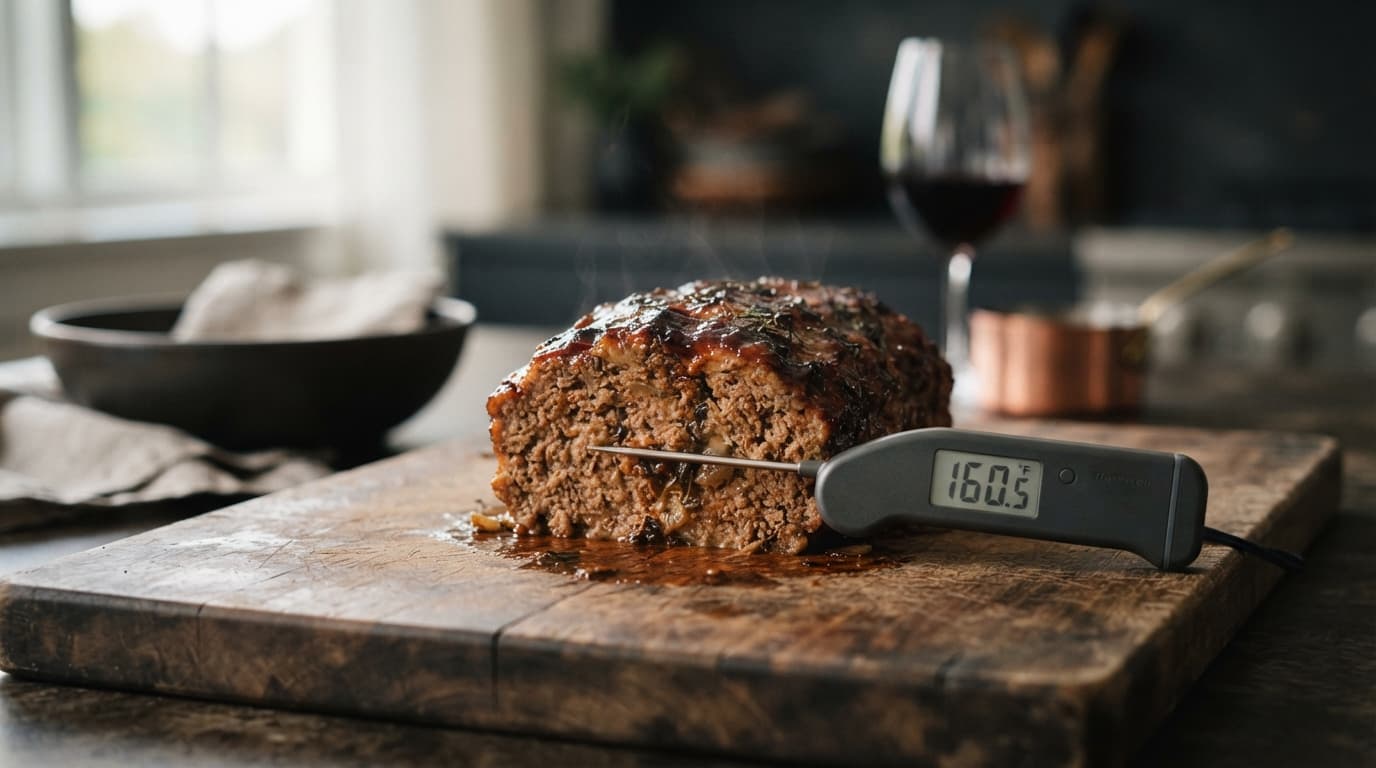
160°F, per USDA guidance for ground meat, beef, pork, veal, or a mix. That's higher than whole-cut beef's 145°F minimum, for a specific reason.
9 min read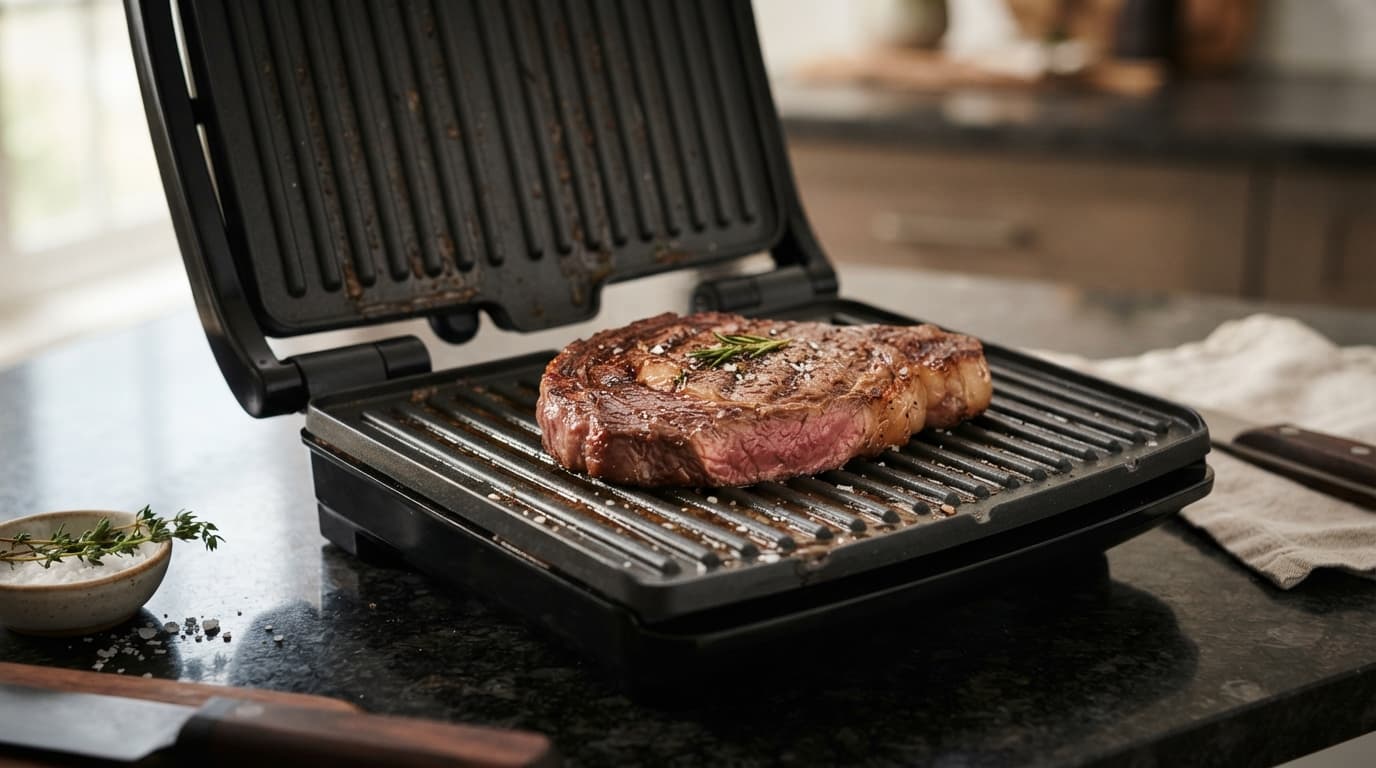
A 1-inch steak takes about 4-7 minutes for medium-rare on a contact grill, since both sides cook at once. Thickness affects time more than the clock does. Confirm 145°F.
10 min read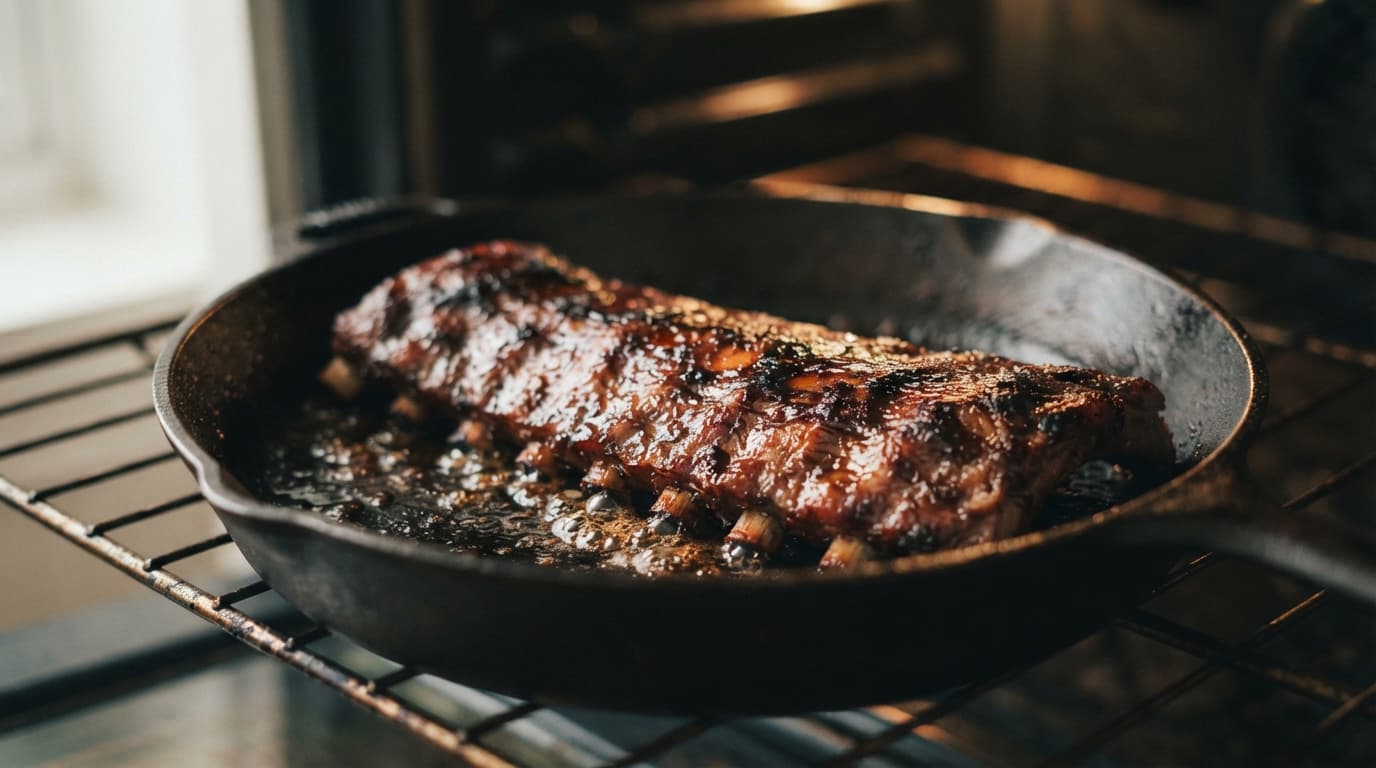
Precooked ribs need reheating to 165°F, not cooking from raw. The practitioner approach is about 250°F for 20 to 30 minutes, foil-wrapped with added moisture.
9 min readTables release two weeks out on Resy, Shukette's own booking platform.
Book Now →