How to Reheat Steak Without Ruining It
Editorial desk · 9 min read · Updated 2026-08-22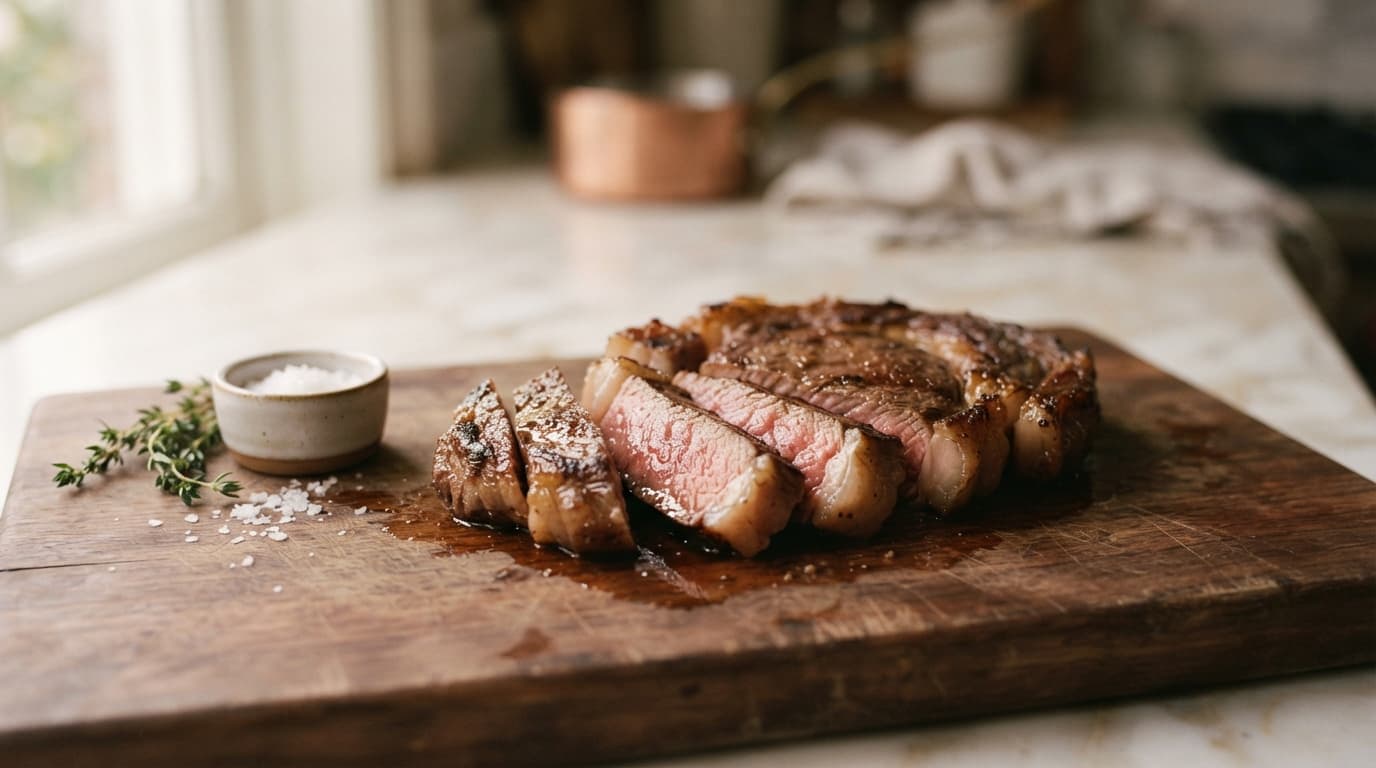
USDA's general guidance for reheating leftovers calls for reaching 165°F, checked with a food thermometer, the same standard that applies to most other cooked meat leftovers. Many popular steak-specific reheating techniques, though, deliberately target a lower temperature in the name of better texture, which creates a real, worth-understanding tension between the general food-safety standard and steak-specific cooking advice built primarily around avoiding a dry, overcooked result.
Neither side of this is wrong exactly; they're answering somewhat different questions. USDA's guidance is about food safety broadly, applicable to any reheated leftover. Steak-specific techniques are optimized for texture, developed by cooks and food writers focused on getting as close as possible to a freshly cooked result. Understanding both perspectives lets you make an informed choice rather than assuming only one source has the full picture.
The food-safety baseline
USDA's leftovers guidance is straightforward: reheat to 165°F, checked in multiple spots with a food thermometer to make sure the heating was even throughout, not just at one point. This applies broadly to cooked meat leftovers, steak included, and it's a meaningfully higher number than the original cooking target for a fresh steak, since a fresh cut of beef is typically considered done well before 165°F for red meat, often in the 130s to 150s depending on preferred doneness.
This gap between original cooking temperature and reheating temperature is worth sitting with for a moment: it means a steak reheated to the letter of USDA's leftover guidance will generally end up more well-done than it was when first cooked, since 165°F exceeds even a well-done original target for most steaks. This is the core tension driving so much steak-specific reheating advice that aims for a gentler approach.
This same gap doesn't apply identically to every leftover meat, which is worth knowing for context. Reheating leftover chicken or turkey to 165°F doesn't create the same tension, since 165°F is also the original safe cooking minimum for poultry, meaning a fully reheated piece of chicken lands close to where it started rather than significantly beyond it. Steak is a more pronounced example of this reheat-versus-original-cook gap specifically because red meat's typical cooking targets sit well below poultry's single fixed minimum, which is part of why steak reheating specifically generates so much more debate and specialized technique than reheating most other proteins does.
Why steak-specific techniques often aim lower
Cooking-focused sources widely recommend a gentler reheating approach for steak specifically: warming it slowly in a low oven, often around 250°F, until the center reaches a modest internal temperature, sometimes cited around 110°F, well below both the original cooking target and USDA's 165°F leftover standard, followed by a fast, hot sear to rebuild a crisp exterior. The reasoning is that slow, gentle reheating limits moisture loss better than either a high-heat blast or reheating all the way to 165°F, which these sources argue pushes a steak toward overcooked and dry territory.
This is a genuinely well-regarded technique among cooking-focused sources for producing a texture close to freshly cooked steak. It's also, by design, built around a lower final temperature than USDA's general leftover guidance recommends, which is worth being direct about rather than presenting the technique as if it perfectly satisfies both texture and the letter of general food-safety guidance simultaneously.
The final sear plays a role in this technique beyond just texture, since a hot, direct sear does bring the very outer layer of the steak to a temperature well above the oven-reheating stage, even if the interior stays lower. That's a real, if partial, additional safety margin compared to reheating only in a low oven without any sear at all, though it doesn't change the fact that the piece as a whole may not reach 165°F throughout the way USDA's general standard calls for.
Making an informed choice between the two approaches
This isn't a case where this guide can tell you there's one clearly correct answer; it's a case where two different sets of priorities produce two different recommendations, and being aware of that tradeoff is more useful than picking one side and presenting it as the only consideration. If minimizing any food-safety risk on reheated leftovers is your top priority, following USDA's guidance to 165°F, confirmed with a thermometer, is the more conservative, cautious choice. If you're comfortable accepting the same general leftover-handling risks people commonly accept with a gentler reheat, and texture matters more to you, the lower-temperature technique is a well-established, widely used approach.
Whichever you choose, the leftovers still need to have been handled safely before reheating even becomes a question: refrigerated within two hours of the original cooking, used within 3 to 4 days, and not left sitting at room temperature for any extended stretch before or after the original meal. Reheating temperature is only one part of the overall safety picture, not the whole of it.
How the steak was handled between the original meal and the reheat matters as much as which reheating method you eventually choose. A steak properly refrigerated within two hours and reheated within a few days carries a meaningfully different risk profile than one left out too long before storage, regardless of which reheating temperature you ultimately land on. Getting the storage step right is, in a real sense, more consequential than the reheating debate itself, since no reheating method fully compensates for meat that spent too long in the danger zone before it ever made it back to the fridge.
Reheating methods, beyond just target temperature
Oven reheating, whether at USDA's recommended 325°F minimum or a gentler 250°F favored by texture-focused techniques, generally produces more even results than a microwave, since consistent ambient heat surrounds the whole piece rather than heating unevenly the way microwave energy sometimes does. If you do use a microwave, shorter intervals at a reduced power setting, checking and flipping the steak between intervals, produces a more even result than one long blast at full power, which tends to overcook the edges before the center has caught up.
A stovetop sear, whether as the finishing step after a low oven reheat or as a standalone reheating method for a thinner cut, works quickly but requires more attention than an oven approach, since high, direct heat can overcook a piece fast if left unattended even briefly.
The thickness of the original steak affects which method makes the most sense. A thick-cut steak, like a tomahawk, benefits more from the low-and-slow oven approach specifically because its thickness gives a low, gentle reheat more room to work without the exterior overcooking before the center warms through. A thin steak has much less margin for that kind of gradual approach, since there's so little distance between the surface and the center that a low oven reheat can bring the whole piece up to temperature almost as quickly as a direct sear would, making the extra steps less worthwhile for a thinner cut.
Sauce or gravy served alongside a steak adds another practical reheating option worth considering. Slicing leftover steak thin and warming it briefly in a simmering sauce, rather than reheating it independently first, lets the sauce's moisture and heat do double duty, keeping the meat from drying out while it heats through. This works especially well for a steak that's already been sliced for a sandwich, salad, or stir-fry style dish, where the original steak's presentation as a single piece isn't the goal anyway.
Reheating from frozen isn't recommended
If your leftover steak is frozen, thaw it first rather than trying to reheat directly from frozen. Reheating already-cooked, frozen steak combines two separate challenges, thawing and reheating, into one process, which makes it far harder to warm the center to a safe temperature without significantly overcooking the exterior in the process. Refrigerator thawing the night before, the same generally recommended approach for other frozen cooked or raw proteins, sets you up for a much more controllable reheat the next day.
What this means for planning ahead
If you know you'll have steak leftovers and care about how they reheat, cooking the original steak to a point that leaves some margin before it's fully at your preferred doneness can help offset whatever additional cooking happens during reheating, regardless of which reheating approach you ultimately choose. This isn't a substitute for handling leftovers safely, but it's a reasonable way to plan for a better final result if you already know reheating is part of the plan.
This kind of forward planning matters more the more expensive or special the original cut was. Reheating a routine weeknight steak and accepting some texture loss is a low-stakes tradeoff; reheating a significant portion of an expensive, special-occasion cut is a different calculation, and it might be worth deciding in advance, before the original meal even happens, exactly how you'll handle any leftovers rather than figuring it out reactively once you're already looking at cold, leftover steak in the refrigerator the next day.
Portioning matters here too. If you know in advance that a large steak will produce leftovers, slicing off and setting aside the portion you won't finish before it ever gets fully cold, rather than reheating an entire leftover piece later, can make for an easier, more controlled reheat. A smaller, pre-portioned piece reheats more predictably and evenly than trying to bring an entire large cut back up to temperature after a full cooldown in the refrigerator.
How the leftover steak is going to be used the second time around is worth factoring into this planning too. A steak destined to be sliced thin for a salad or a sandwich tolerates a slightly firmer reheating result better than one meant to be served again as a standalone entrée, since the additional context of other ingredients and a sauce or dressing can mask some of the texture difference that a careful side-by-side taste test would otherwise notice. If you already know a leftover portion is headed toward one of these secondary uses, it's reasonable to prioritize convenience and a slightly higher, safer reheating temperature over the more delicate low-oven-and-sear technique, since the dish it's going into doesn't depend on replicating a fresh-off-the-grill texture in the first place.
Labeling leftovers with the date they were cooked, rather than trying to remember later, removes one more point of uncertainty from this whole process. The 3-to-4-day window that governs most cooked meat leftovers is easy to lose track of once a few different containers accumulate in the refrigerator over a busy week, and a quick label written at the time of storage costs almost nothing compared to the guesswork of trying to recall exactly when a specific piece of steak was originally cooked.
A freshly cooked steak, the kind that comes straight off a wood-fired grill rather than out of a reheated container, sidesteps this whole tradeoff simply because there's no reheating step involved in the first place; that's part of why a freshly grilled steak and a well-reheated leftover, even a carefully reheated one, rarely taste quite identical. For anyone working through leftovers at home, though, understanding both the food-safety standard and the texture-focused alternative gives you what you need to make a genuinely informed choice rather than following one piece of advice without knowing what tradeoff it's actually making.
Whichever method you land on, the same underlying principle applies: know which priority you're optimizing for, safety margin or texture, before you start reheating, rather than discovering partway through that the technique you picked doesn't match what you actually cared about most for that particular piece of steak.
Frequently asked questions
What temperature should reheated steak reach?+−
USDA's general leftover guidance calls for 165°F, checked with a food thermometer. Some popular steak-specific reheating techniques target a lower temperature for better texture, which is a real, worthwhile tradeoff to understand rather than an oversight.
What's the best method to reheat steak without drying it out?+−
A gentle, low oven temperature, often around 250°F, followed by a quick, hot sear, is a widely used technique that limits moisture loss better than a single blast of high heat. It's a genuinely effective texture approach, developed with different priorities than USDA's general food-safety reheating guidance.
Is it safe to reheat steak in the microwave?+−
Yes, as a method, though it's more prone to uneven heating and drying than an oven or stovetop approach. If you use a microwave, reheating at a lower power setting in shorter intervals produces a better result than one long blast at full power.
Can I reheat steak straight from frozen?+−
It's better to thaw it first. Reheating already-cooked steak from frozen makes it much harder to warm the center evenly without badly overcooking the exterior, since you're managing both thawing and reheating at once rather than one process at a time.
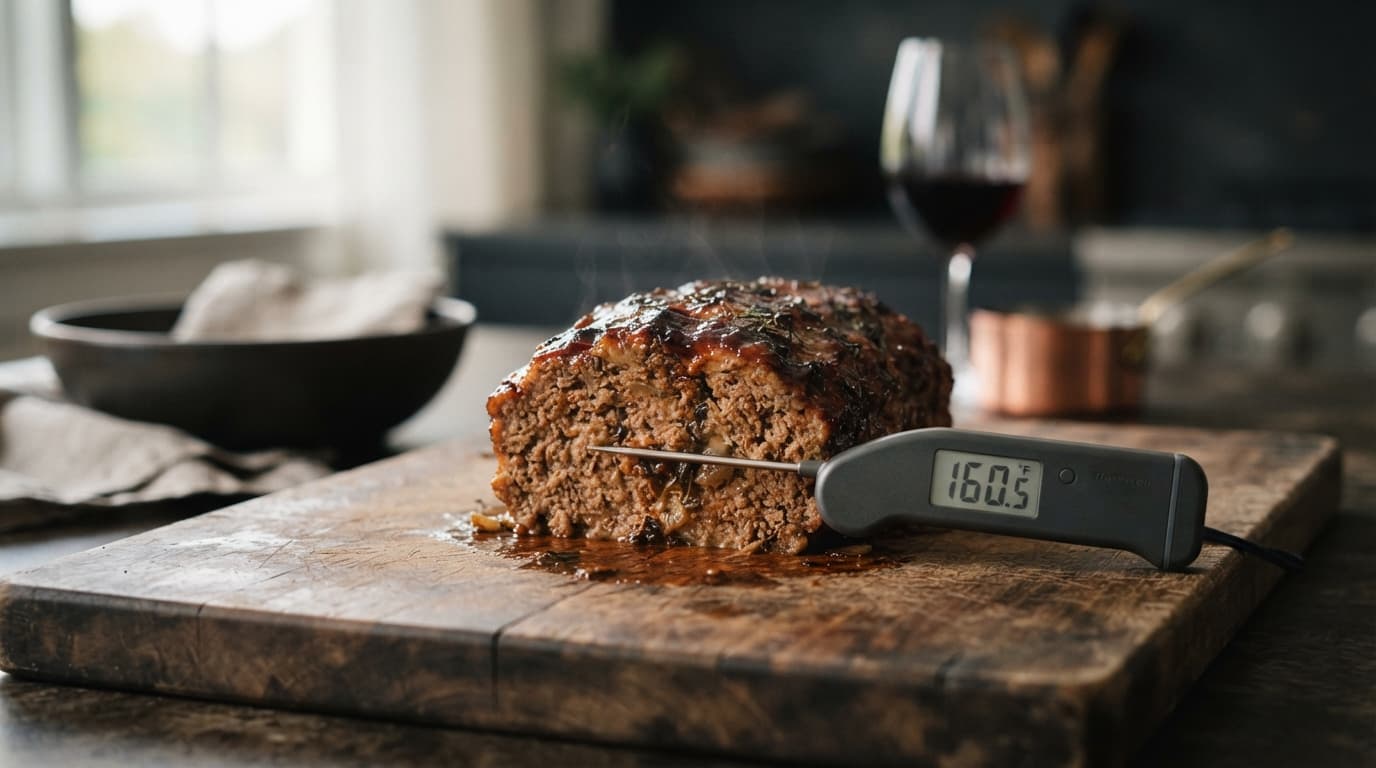
160°F, per USDA guidance for ground meat, beef, pork, veal, or a mix. That's higher than whole-cut beef's 145°F minimum, for a specific reason.
9 min read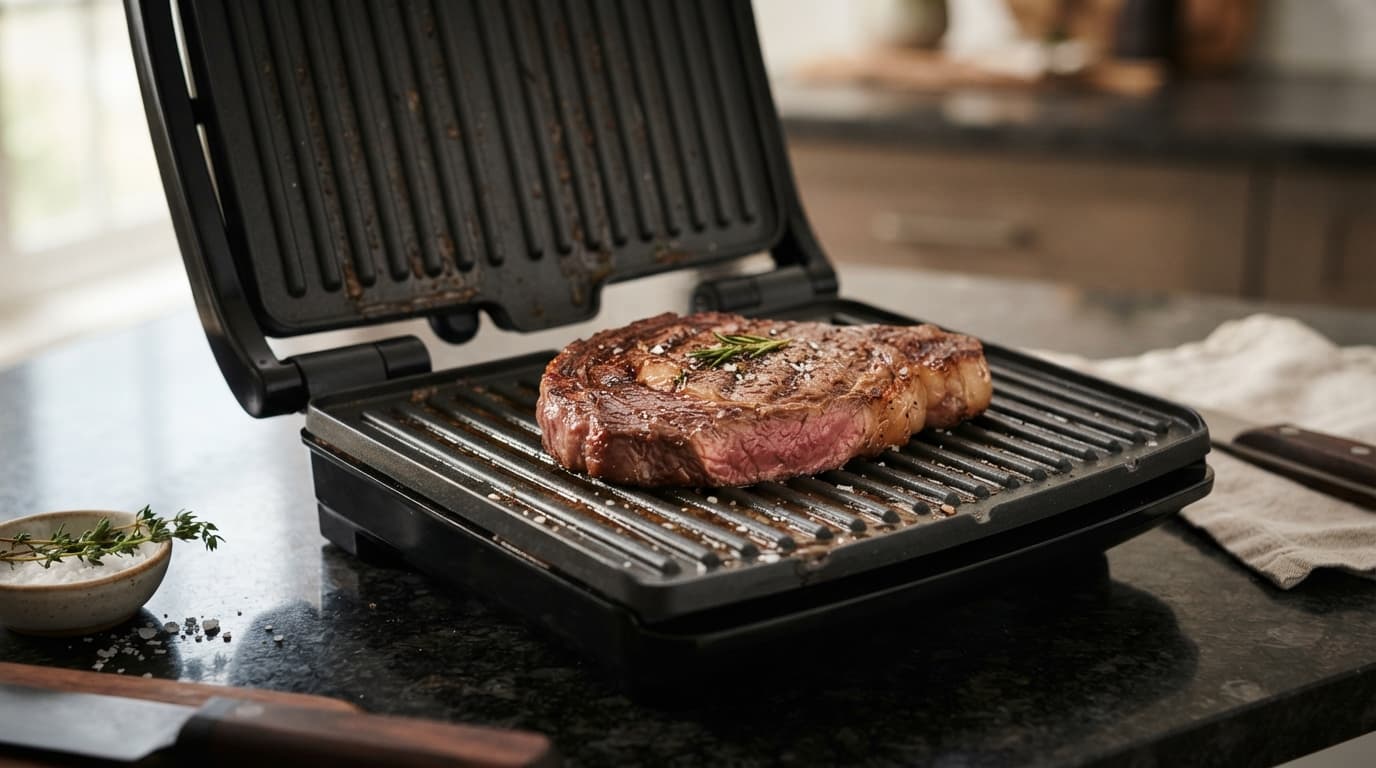
A 1-inch steak takes about 4-7 minutes for medium-rare on a contact grill, since both sides cook at once. Thickness affects time more than the clock does. Confirm 145°F.
10 min read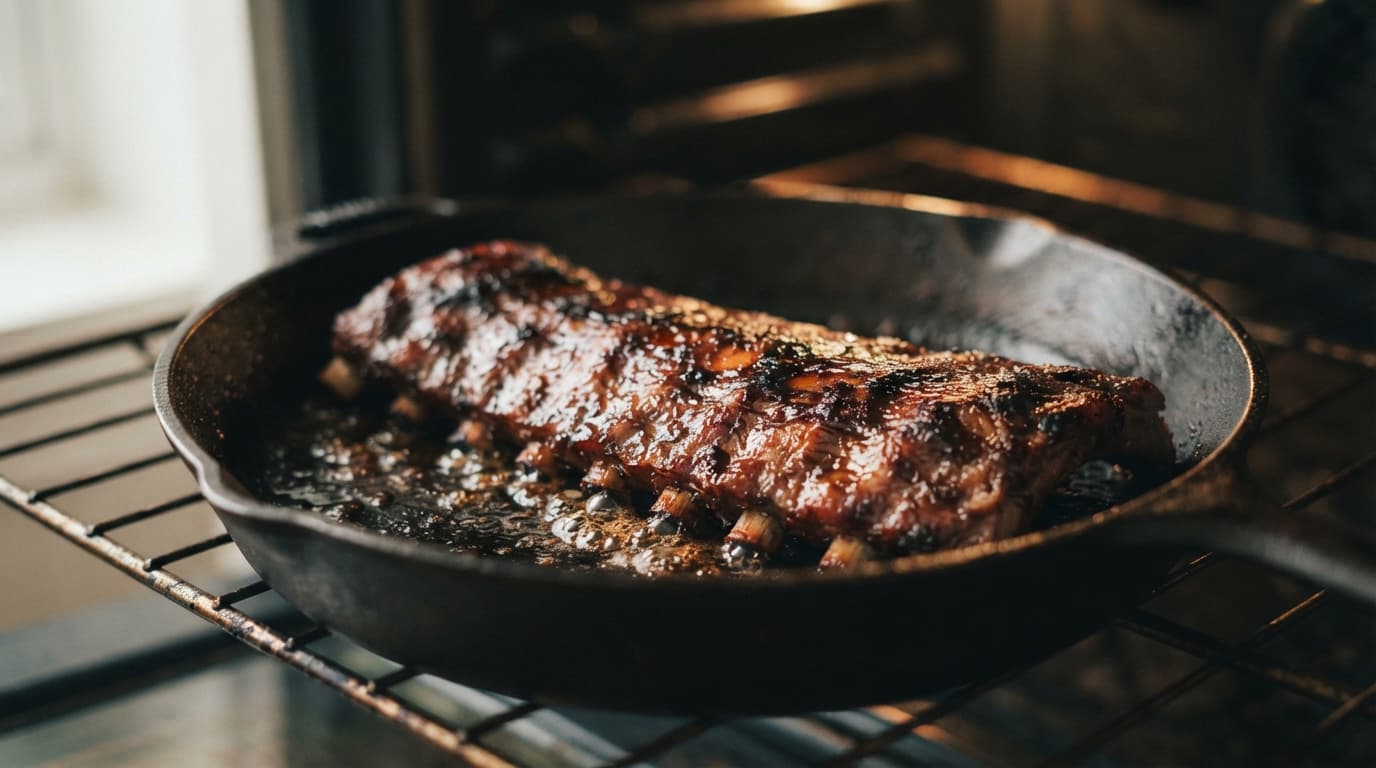
Precooked ribs need reheating to 165°F, not cooking from raw. The practitioner approach is about 250°F for 20 to 30 minutes, foil-wrapped with added moisture.
9 min readTables release two weeks out on Resy, Shukette's own booking platform.
Book Now →