How Long Does Cooked Rice Last in the Fridge?
Editorial desk · 10 min read · Updated 2026-08-23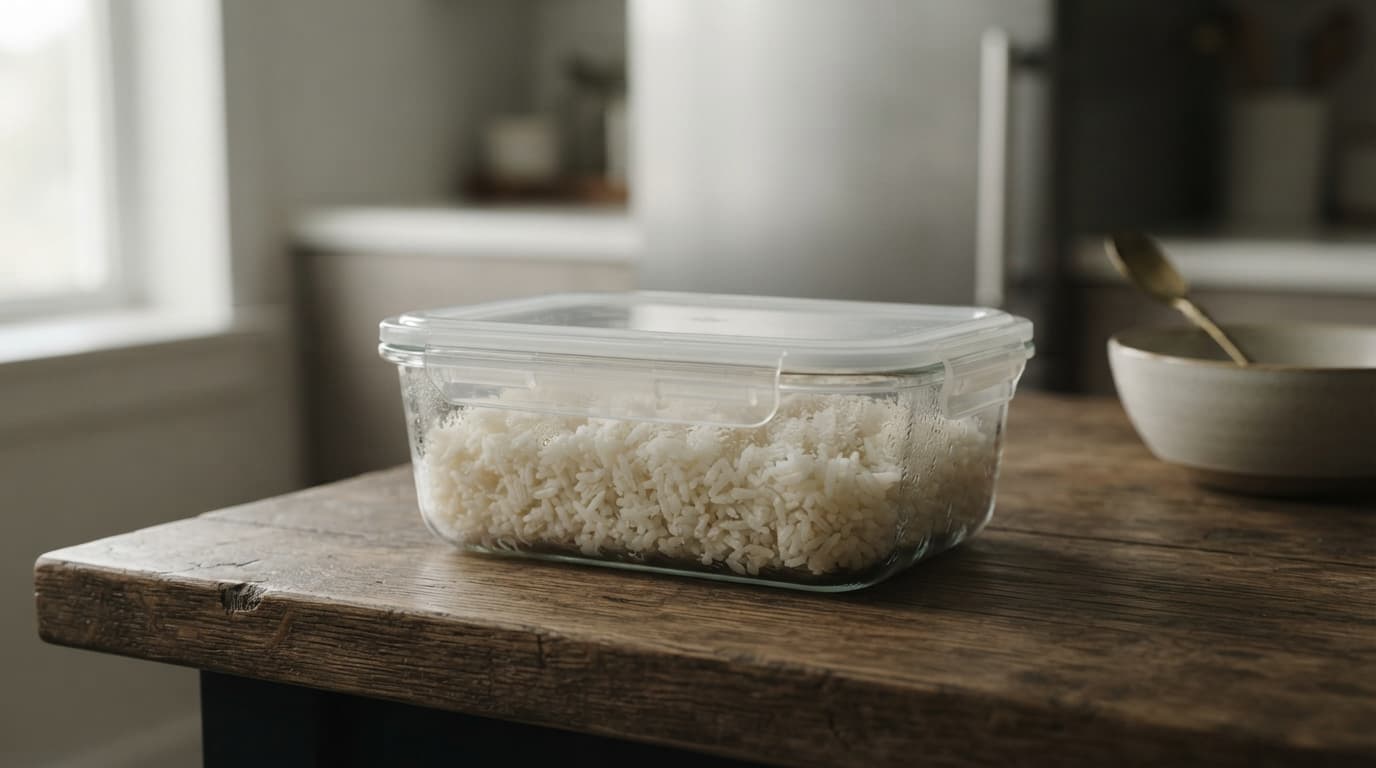
Cooked rice lasts 3 to 4 days in the fridge when it's stored in a sealed container. That's a fairly ordinary leftovers window, similar to a lot of other cooked food. What makes rice different, and worth a closer look than "just refrigerate it," is a specific bacteria that raw rice can carry into the pot, one that isn't killed by ordinary cooking and behaves differently than the bacteria you'd worry about with most other leftovers.
That bacteria is called Bacillus cereus, and understanding what it actually does is the difference between treating rice like any other leftover and knowing why food safety guidance treats it with a bit more urgency, specifically around how fast it goes into the fridge after cooking.
The 3-4 day fridge window
Once rice is cooked and refrigerated properly, it holds up for 3 to 4 days, in line with general guidance for cooked leftovers. Store it in a sealed, airtight container rather than loosely covered, since rice picks up moisture and odors from the fridge easily and dries out fast when it's left exposed.
That 4-day mark is a real ceiling, not a soft suggestion you can push a day or two past if the rice still looks fine. Rice doesn't reliably show obvious spoilage signs, no strong smell, no visible mold, in the same window where it can already be less safe to eat. Dating your containers, a piece of tape with the day you cooked it, is a more reliable habit than guessing off how the rice looks or smells days later.
This window applies to plain cooked rice as well as rice mixed into a dish, fried rice, a rice salad, rice folded into a grain bowl. Once other ingredients are involved, especially anything with meat, dairy, or egg, the shortest safe window among them governs the whole dish, which in most mixed rice dishes still lands at 3 to 4 days but is worth double-checking against whatever else went into the pot.
Why rice gets its own rules: Bacillus cereus
Raw rice, even the bag sitting in your pantry before it's ever touched water or heat, can naturally carry spores of Bacillus cereus. This isn't a contamination problem specific to one brand or a sign of a dirty kitchen; it's a bacteria that occurs naturally in soil and can end up on grain crops as a normal part of how rice is grown and harvested.
Here's the part that makes rice different from most other foods you cook: these spores are heat-resistant. Normal cooking temperatures kill plenty of bacteria, but Bacillus cereus spores can survive the boiling or steaming that turns raw rice into a finished pot of dinner. The spores themselves aren't the immediate danger; what happens to them afterward is.
If cooked rice is left sitting at room temperature for too long, those surviving spores can germinate and multiply, and as they do, certain strains produce a toxin. That toxin is the actual hazard, not just the bacteria itself, and it's what makes the timing of cooling rice matter more than it does for a lot of other cooked food.
Why reheating doesn't fix rice that sat out too long
This is the detail that trips people up most: reheating rice thoroughly can kill the active bacteria in it, but it does not reliably destroy the toxin Bacillus cereus produces if the rice already sat out too long before refrigeration. The toxin is heat-stable, meaning it survives temperatures that would otherwise be more than enough to make food safe again.
With rice that's already spent hours at room temperature, reheating warms the food back up without necessarily neutralizing what made it unsafe in the first place. The safer move is preventing that window from happening at all, rather than counting on reheating to undo it after the fact.
Symptoms from Bacillus cereus toxin, when they do occur, tend to show up fast, often within a few hours, and usually resolve on their own within a day for most healthy adults. That short, self-limited course is part of why this particular risk doesn't get as much public attention as something like salmonella, but it's also why the guidance around rice specifically emphasizes getting it cold quickly rather than relying on reheating as a safety net later.
Why the guidance for rice is faster than the usual 2-hour rule
Most cooked food follows a familiar rule: get it into the fridge within about 2 hours of cooking, or 1 hour if it's a hot day and the room is above 90°F. Because of the Bacillus cereus concern described above, food safety guidance from extension services and food-safety educators commonly recommends treating rice more cautiously than that, refrigerating it within about 1 hour rather than waiting the full 2 hours other leftovers get.
That tighter window exists because rice's risk profile is specifically about how fast spores can germinate and multiply once the food is out of a safe cooling range, not a general statement that all food needs an hour instead of two. Think of it less as a strict deadline you need a timer for and more as a reason to prioritize rice ahead of other dishes when you're clearing the table after a meal: get the rice into the fridge first, then deal with everything else.
For useful context, the FDA Food Code, which governs restaurants rather than home kitchens directly, spells out cooling in two stages: hot food needs to go from 135°F down to 70°F within 2 hours, then from 70°F down to 41°F within another 4 hours after that. That's a more detailed, food-service-oriented standard than most home cooks need to track exactly, but it illustrates the same idea: the first stretch of cooling, getting food out of the hottest range quickly, matters more than people assume, and it's exactly the stretch where a big pot of rice tends to cool the slowest.
Cooling rice faster: spread it out, don't leave it deep
A full pot of rice left to cool on the stove or counter holds its heat for a surprisingly long time, since a deep, dense mass of rice insulates its own center from the cooler air around it. That's the practical reason rice can still be warm in the middle an hour after you took it off the heat, even though the surface feels cool to the touch.
The fix is simple: spread cooked rice out in a thin layer on a sheet pan, a wide shallow dish, or even a large plate instead of leaving it piled in the pot it was cooked in. A thin layer has far more surface area exposed to cooler air relative to its volume, which lets it drop in temperature much faster than the same amount of rice left in a deep, compact mound.
Once it's spread out and had a few minutes to stop steaming, transfer it into a sealed container and get it into the fridge. You don't need to wait for it to reach full room temperature first, and in fact waiting that long defeats the purpose, since it extends the exact window you're trying to shorten. A shallow, uncovered container in the fridge for a short initial stretch, then sealed once the rice has cooled further, is another reasonable approach if your fridge has the space for it.
Portioning rice into smaller containers before refrigerating also helps for the same reason: several shallow, smaller portions cool faster as a group than one large container of the same total volume. This matters most right after cooking, when the rice is hottest and the clock on cooling matters most; once it's actually cold and in the fridge, the fact that it's split into portions has more to do with convenience for reheating later than any ongoing safety benefit.
Rice mixed into other dishes and takeout rice
Plain white or brown rice cooked at home is the simplest case, but rice rarely stays plain for long in most kitchens. Fried rice, rice folded into a casserole, or rice served alongside a saucy main all carry the same Bacillus cereus consideration as plain rice, since the rice itself is still the ingredient carrying those heat-resistant spores, regardless of what else ends up in the bowl with it.
Takeout rice deserves the same treatment as rice you cooked yourself. A container of fried rice that sat in a bag on your counter before you got around to refrigerating it has already used up part of its safe cooling window before it even reached your fridge. Treat the clock as starting from when the restaurant likely finished cooking it, not from when you opened the container, and lean toward the more cautious end of the 3-to-4-day range if you're unsure how long it sat.
Rice salads served cold, a lemony rice salad with herbs, for example, follow the same fridge window once they're made, even though they're never reheated before eating. The cooling-speed concern still applies at the point the rice was originally cooked; once it's chilled and turned into a cold salad, it's the standard 3-to-4-day clock from there, same as any other refrigerated prepared food.
Most of what matters with rice safety comes down to a short mental checklist rather than a complicated set of rules: cook it, cool it fast by spreading it thin, get it into the fridge within about an hour, eat it within 3 to 4 days, and reheat it until it's actually steaming rather than just warm. Skipping any one step doesn't guarantee a problem, but stacking several shortcuts together, a big batch left out through a long dinner and cleanup, then refrigerated lukewarm hours later, is the pattern that turns a low-probability risk into a real one. A family that eats rice several times a week benefits more from building that fast-cooling habit into the after-dinner routine automatically than from remembering the guidance only some of the time.
Freezing cooked rice for longer storage
If you've made more rice than you'll get through in 3 to 4 days, freezing is a straightforward option. Cooked rice generally holds up well in the freezer for about 1 to 2 months before quality starts to noticeably decline, texture and moisture in particular, even though it typically stays safe to eat well beyond that if it's been kept solidly frozen the whole time.
Cool the rice the same way described above before freezing it, spread thin to bring the temperature down quickly, then portion it into freezer bags or containers, pressed relatively flat if you're using bags, which also makes reheating faster later since a flatter frozen portion thaws and heats more evenly than a thick block.
Reheating frozen rice works well directly from frozen in a lot of cases, a splash of water and a covered pan or a microwave with a damp paper towel over the bowl both help restore moisture that freezing tends to pull out. Whichever method you use, reheating rice until it's steaming hot throughout is worth doing consistently, the same habit that matters for cooked leftovers generally, and it's a good check to build into your routine even for food that was handled correctly the whole way through. Checking with an actual thermometer rather than guessing by touch or steam alone takes the guesswork out of it, especially for a big batch reheated in a single dish where the center can lag behind the edges.
Rice sits alongside a handful of other kitchen staples where the guidance is a little more specific than most people expect going in, the same way a sweet potato has its own quirks around storage that don't match the assumptions people bring from other produce, or fresh homemade salsa has a shorter window than most people assume compared to shelf-stable versions of the same food. None of it requires much extra effort once you know it: cool rice fast, refrigerate it promptly, eat it within a few days or freeze it, and skip the temptation to rescue rice that sat out too long by reheating it hard. If you'd rather not think about any of this on a given night, a shared table built around dishes meant to be served and eaten hot puts the cooling-and-storage question entirely in someone else's hands.
A quick way to sanity-check your own rice habits: if you can't remember when a container went into the fridge, or whether the rice sat out through a whole afternoon, that uncertainty itself is reason enough to skip it. The upside of eating slightly-past-its-best rice is small, and the downside, however rare, isn't worth trading for it.
Frequently asked questions
How long does cooked rice actually last in the fridge?+−
Three to four days when it's refrigerated in a sealed container. That's the same window most cooked leftovers get, but rice comes with an extra wrinkle around how quickly it needs to go into the fridge in the first place.
Why is rice riskier than other leftovers if left at room temperature?+−
Raw rice can carry spores of Bacillus cereus, a heat-resistant bacteria that survives normal cooking. If cooked rice sits out too long, those spores can germinate and produce a toxin that reheating doesn't destroy, which is why rice gets tighter cooling guidance than most other cooked food.
Does reheating rice kill the bacteria that causes food poisoning?+−
It can kill the active bacteria, but not the toxin some strains produce if the rice sat at room temperature too long beforehand. That toxin is heat-stable, so reheating rice that was left out for hours isn't a reliable fix.
Can you freeze cooked rice?+−
Yes. Cooked rice freezes well for roughly 1-2 months at best quality, and thawing or reheating it directly from frozen is generally more reliable for texture than thawing it in the fridge first.
What's the best way to cool a big pot of rice quickly?+−
Spread it out in a thin layer on a sheet pan or a wide shallow container instead of leaving it in a deep pot. A thin layer loses heat much faster than a tall mass of rice, which gets it into the fridge sooner.
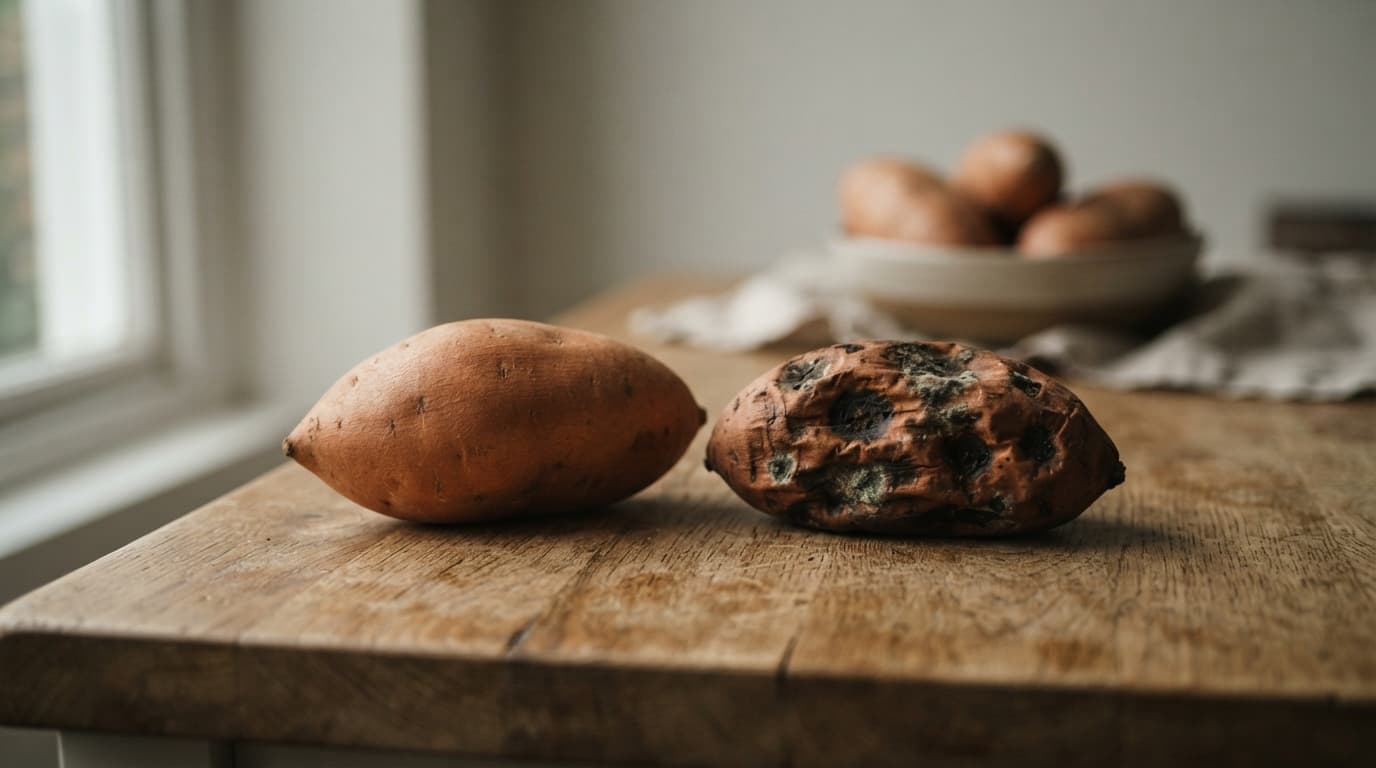
A bad sweet potato has soft spots, mold, dark spots, wrinkled skin, or a sour smell. Sprouted sweet potatoes stay safe if otherwise firm, unlike white potatoes.
10 min read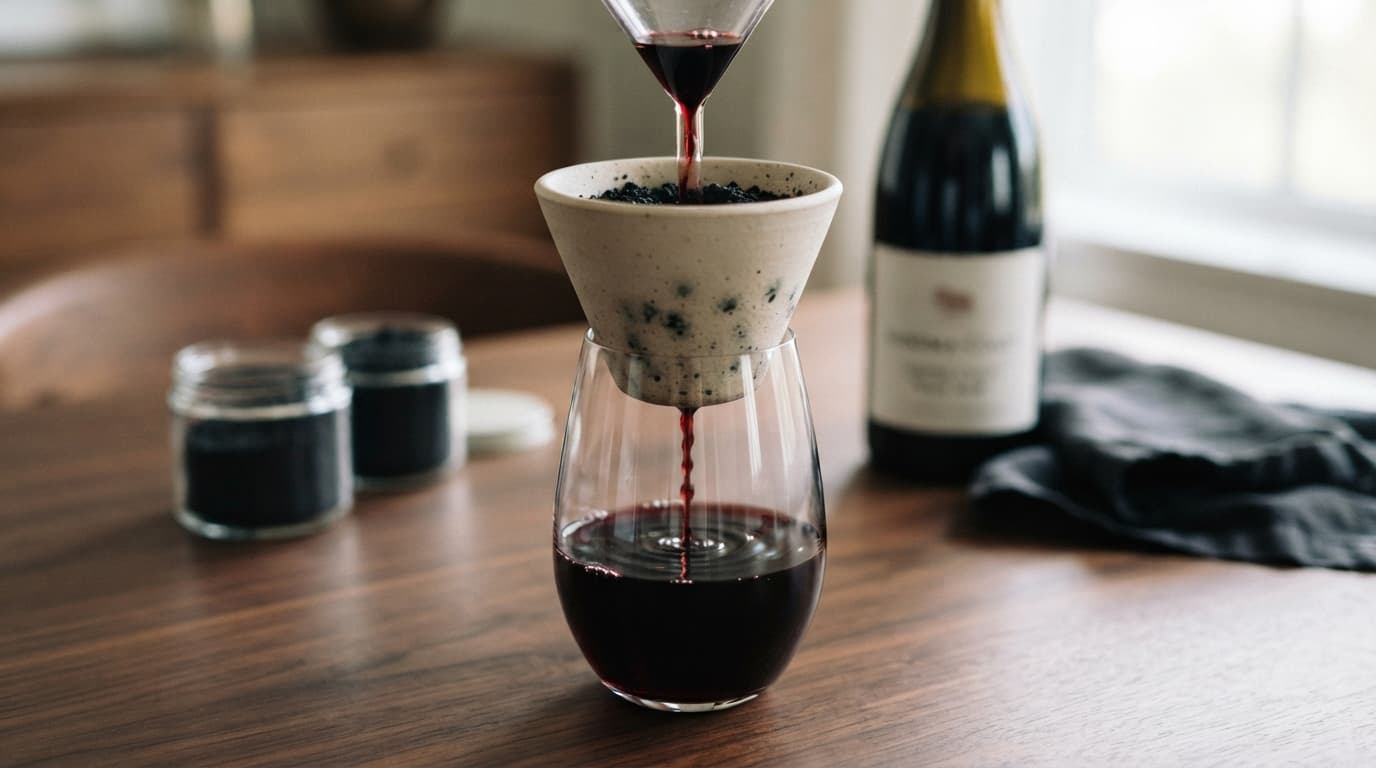
No reliable method removes sulfites from wine after bottling. Wine wands rely only on manufacturer data; lower-sulfite or organic wine is the real alternative.
9 min read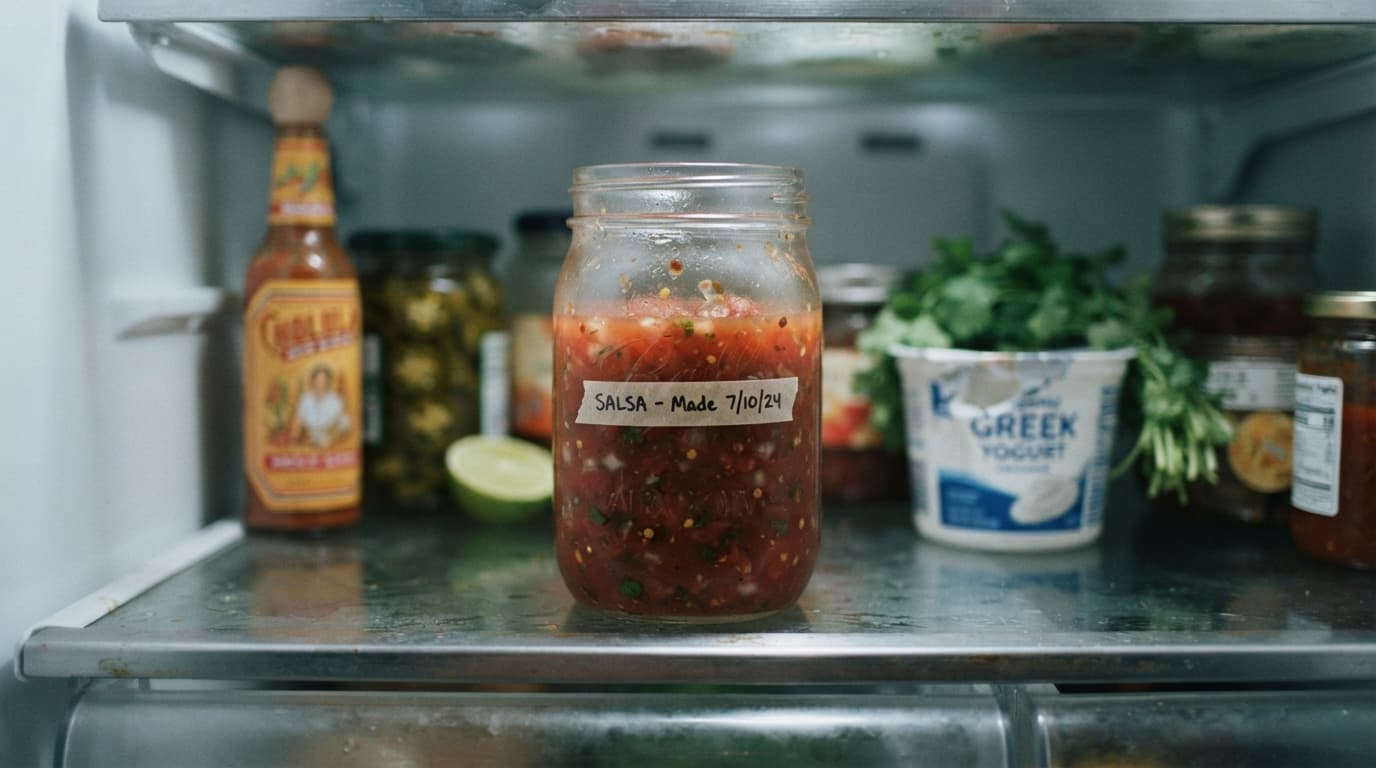
Homemade salsa lasts 3-5 days refrigerated. Opened jarred salsa is good for about a month, while refrigerated-case fresh salsa runs shorter, around 7-14 days.
9 min readTables release two weeks out on Resy, Shukette's own booking platform.
Book Now →