How Long Does It Take to Digest Chicken?
Editorial desk · 10 min read · Updated 2026-08-22
Chicken generally leaves the stomach within two to four hours after eating, then continues through the small intestine for further digestion before what's left moves into the colon. Full digestion, meaning the entire path from the first bite to waste elimination, typically takes somewhere between one and two days, though gastric emptying, the part most people mean when they ask "how long to digest," is finished well before that. The exact number depends heavily on how the chicken was prepared, what else was on the plate, and factors specific to the person eating it.
This isn't a single fixed number, and it shouldn't be treated like a countdown timer. Digestion speed depends on the food itself, how it's prepared, and real differences between individual people's digestive systems. What follows is the general pattern for a protein like chicken, not a guarantee for any specific meal or person, and none of it is intended as medical advice for any specific digestive condition.
Why protein takes longer than carbohydrates
The stomach doesn't treat all food the same way. Simple carbohydrates break down and move into the small intestine relatively quickly, while denser foods, meaning anything higher in protein or fat, take noticeably longer. Chicken, as a lean protein, falls into the slower category not because anything is unusual about it, but because protein molecules are more structurally complex than simple carbohydrates and require more enzymatic work to break down into absorbable amino acids.
This is a normal, expected part of how digestion works, not a downside specific to chicken or to meat generally. A meal built heavily around protein is simply going to sit in the stomach longer than a meal of mostly simple carbohydrates, and that's by design: your digestive system paces itself based on what actually needs breaking down, not on a fixed schedule.
Fat plays a similar role alongside protein, and the two often show up together in a meal. A completely lean piece of chicken breast digests somewhat faster than the same portion served with a buttery sauce or alongside a fattier side dish, since fat is itself slow to break down and it also slows the stomach's overall emptying rate when eaten together with other food. This is why the same base protein can feel noticeably heavier or lighter depending entirely on what it's cooked in or served with.
The general timeline, stage by stage
Digestion happens in stages, and each one takes its own amount of time. After eating, food typically spends 40 minutes to two hours or more in the stomach before it starts moving into the small intestine, with denser, protein-rich foods like chicken landing toward the longer end of that range, often two to four hours before the bulk of it has emptied out. From there, food spends roughly another 40 minutes to two hours or more in the small intestine, where most nutrient absorption actually happens.
What's left after the small intestine moves into the large intestine, where water and remaining nutrients get absorbed and waste gets formed and eventually eliminated. This last stage is the slowest part of the whole process by far: transit through the colon alone typically takes 30 to 40 hours in someone without digestive issues, with up to 72 hours still considered within a normal range. Add that to the earlier stomach and small intestine time, and the complete path from eating chicken to eliminating what's left of it generally lands somewhere in the range of a day to two days, not the few hours people sometimes assume "digestion" means.
It helps to separate two different questions that often get lumped together under "how long to digest." One is how long until the nutrients from chicken are actually absorbed and available to your body, which happens mostly in the small intestine and finishes well within the first several hours after eating. The other is how long until any remaining waste is fully eliminated, which is the much longer colonic transit time measured in a day or more. Most of what people actually care about, feeling full, having energy from the meal, is tied to the faster of the two timelines, not the full multi-day process.
Does chicken digest differently than other meats?
Not in any dramatic way. Digestion speed tracks more closely with a food's overall protein and fat content than with which specific animal it came from, so chicken moves through the system at a broadly similar pace to other lean meats like turkey or fish. What changes the timeline more than the type of meat is how it's prepared: a plain grilled or roasted piece of chicken breast digests somewhat faster than a fried version or one served in a rich, fatty sauce, since added fat slows gastric emptying further on top of the protein itself.
This is worth knowing if you're comparing how full or sluggish you feel after different chicken dishes. A dish built around a marinade and grill preparation, like a saffron-yogurt marinated grilled chicken, sits on the leaner end of that spectrum compared to something breaded and fried, even though both start from the same base ingredient. On the other end, fried chicken adds a layer of oil absorbed during cooking on top of the meat's own protein content, which is part of why a fried preparation tends to sit heavier and longer than a grilled one of the same size.
Why individual differences matter more than the food itself
Digestion timing varies meaningfully from person to person based on factors that have nothing to do with the chicken itself: metabolism, overall gut health, hydration, activity level, and certain medications can all speed up or slow down how quickly food moves through the system. Two people eating the identical meal can have genuinely different digestion timelines without either one being unusual or a cause for concern.
This is part of why "how long does it take to digest chicken" doesn't have one universally correct answer down to the hour. The ranges given here reflect general patterns observed across research on digestion broadly, not a specific measurement for any one meal, and normal digestion for you personally might run faster or slower than the middle of these ranges without that meaning anything is wrong.
Age and overall health status also play a role that's easy to overlook. Digestive processes tend to slow gradually over a lifetime, and certain health conditions, some quite common and manageable, affect gut motility in ways that shift these timelines meaningfully. None of that makes the general pattern described here inaccurate; it just means the "typical" range is exactly that, a description of what's common, not a precise prediction for every individual body under every circumstance.
Stress and sleep are two more variables that don't always get mentioned alongside digestion but genuinely affect it. Eating a heavy meal while stressed can slow gastric emptying compared to eating the same meal in a relaxed state, since the body's stress response diverts resources away from digestion. Similarly, digestion tends to slow overnight during sleep compared to waking hours, which is part of why eating a large, protein-heavy meal very close to bedtime often feels different, heavier, more uncomfortable, than eating the same meal earlier in the day with time to digest before lying down.
Portion size changes the timeline too
A larger serving of chicken doesn't just mean more food; it also means more total time in the stomach, independent of how the chicken was cooked. A stomach empties food gradually rather than all at once, so doubling the amount of chicken on a plate generally extends gastric emptying time rather than leaving it unchanged, even when the protein and fat content per ounce stays identical between a smaller and larger portion. This is part of why a modest lunch of grilled chicken can feel manageable an hour later, while a large dinner portion of the same chicken, cooked the same way, still feels present in the stomach well past that point.
This has a practical implication for how a meal is built, not just how much protein it contains. Pairing a large chicken portion with a heavy starch or a rich sauce compounds the effect further, since both fat and sheer volume slow gastric emptying independently of each other. A lighter side, a simple vegetable or a modest amount of rice, alongside a large piece of chicken keeps the overall meal's digestion timeline closer to what the protein alone would produce, while a rich side dish stacked on top of an already substantial portion of chicken pushes the whole meal's digestion noticeably longer than either factor would on its own.
When digestion time actually matters practically
For most people in most situations, digestion speed is background information rather than something to actively plan around. It becomes more practically relevant around specific activities: eating a protein-heavy meal like chicken shortly before intense exercise can leave you feeling sluggish or uncomfortable, since your body is directing blood flow and energy toward digestion at the same time exercise is asking for it elsewhere. Leaving more time between a substantial chicken-based meal and vigorous activity, rather than eating immediately before, tends to feel more comfortable for most people, though the exact gap that works varies by individual.
Digestion speed is also worth knowing about in the context of ordering a large, shared meal built heavily around protein, dips, grilled meat, dense mezze. A meal like that takes real time to move through the stomach, which is part of why a big dinner can leave you feeling full for hours afterward in a way a lighter meal wouldn't. That's normal and expected given how much protein and fat is typically involved in that kind of spread, not a sign of anything being off.
This is also worth factoring into how you book and plan an evening around a heavier dinner. If you have plans after a big, protein-forward meal, something active, a show, another commitment, giving yourself more of a buffer than you would after a lighter lunch accounts for the genuinely longer digestion process a substantial dinner sets in motion.
What this means for how you eat, not just what you eat
None of this suggests chicken is hard to digest or something to avoid; lean protein is a normal, well-tolerated part of most people's diets, and a two-to-four-hour stomach transit time is unremarkable rather than concerning. The information is more useful as context: if you feel fuller for longer after a chicken-heavy meal than after a lighter one, that's consistent with how protein digestion actually works, not a red flag.
If anything, a slower digestion time is one of the reasons protein-forward meals are commonly recommended for sustained fullness rather than a quick, fleeting energy spike. A meal that digests too quickly tends to leave you hungry again sooner, which is part of why a plate built around simple carbohydrates alone often doesn't hold you over as long as a meal that includes a solid protein source like chicken alongside it. The same digestion characteristics that make protein take longer to process are also what make it more satiating over a longer stretch of time.
This is one reason a mezze-and-grill format built around dips, bread, and a protein-heavy main tends to feel substantial well after the meal ends, compared to a meal that's mostly bread or rice on its own. The combination of protein, fat, and fiber across a varied spread digests at different rates across its individual components, which spreads out the feeling of fullness rather than concentrating it all in the first hour after eating.
If digestion consistently feels uncomfortable, unusually slow, or accompanied by other symptoms regardless of what you're eating, that's a conversation for a doctor rather than something to diagnose from a general digestion timeline. This article describes the typical pattern for how chicken and other proteins move through a healthy digestive system, not a diagnostic tool, and persistent discomfort is worth addressing with a medical professional rather than adjusting based on general ranges like these alone.
The broader takeaway is that "how long to digest" is a genuinely useful question with a genuinely nuanced answer, not a single number worth memorizing. Chicken isn't unusually slow or unusually fast compared to other lean proteins; it follows the same general pattern any protein-dense food does, a few hours before it's mostly out of the stomach, and a day or more before the entire process, start to finish, is complete. Understanding that range is more useful for making sense of how a meal feels afterward than trying to pin digestion down to an exact number of hours, and it's a far more accurate mental model than assuming digestion either finishes in an hour or drags on for a full week.
Frequently asked questions
How long does chicken take to digest?+−
Chicken typically leaves the stomach within two to four hours, since protein-dense foods take longer than simple carbohydrates to move through. Full digestion, including time in the small intestine and colon, generally takes closer to a day or two before waste is eliminated.
Does chicken take longer to digest than other meats?+−
Not dramatically. Digestion speed depends more on a food's overall protein and fat content than on which specific meat it is, so chicken digests at a broadly similar pace to other lean proteins, though a fattier preparation takes longer than a leaner one.
Why does protein take longer to digest than carbohydrates?+−
Protein molecules are denser and structurally more complex than simple carbohydrates, so the stomach and digestive enzymes need more time to break them down into absorbable pieces. This is a normal, expected part of digestion, not a sign anything is wrong.
Does how chicken is cooked affect digestion time?+−
To some extent. A fried or heavily sauced preparation adds fat, which slows gastric emptying further, while a plainer grilled or roasted preparation digests somewhat faster since there's less fat alongside the protein.
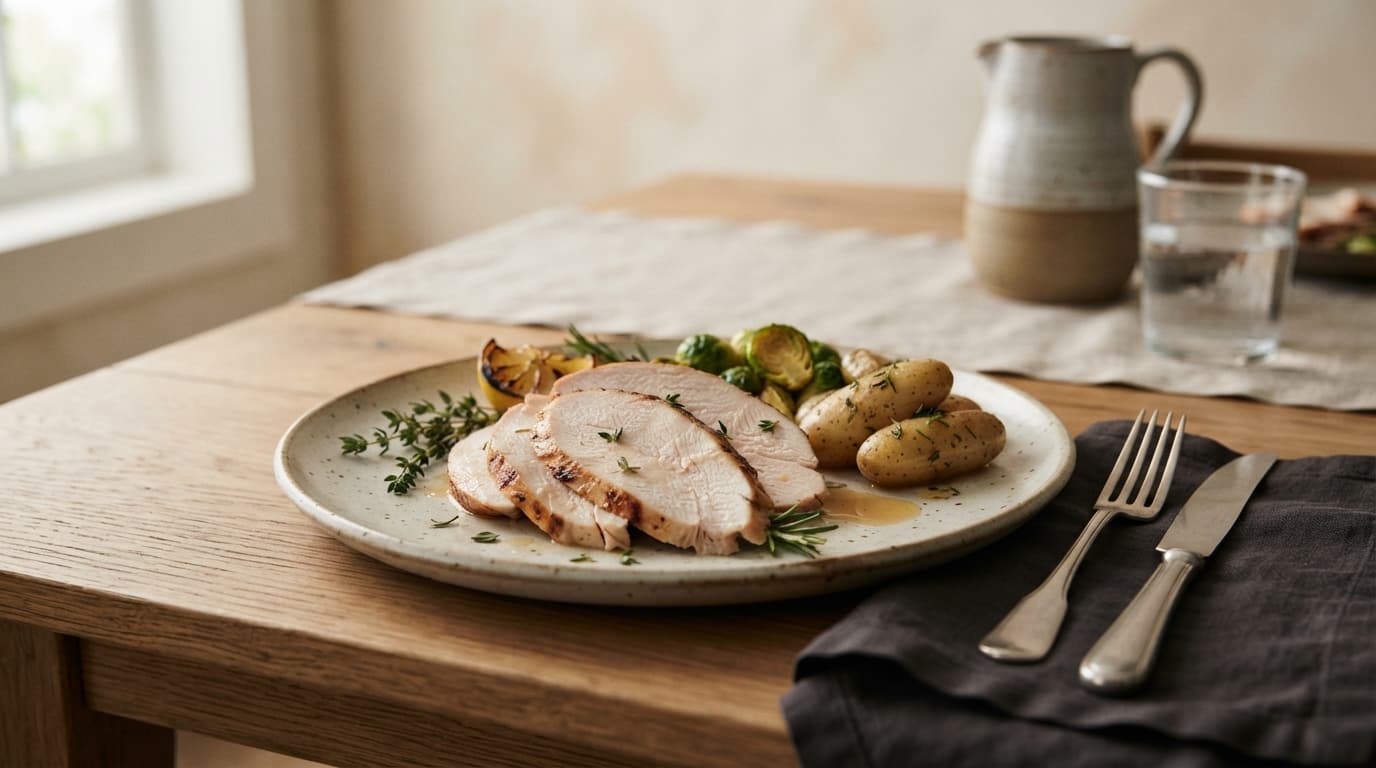
Plan on 3/4 to 1 pound of boneless turkey breast per person, less than the USDA's 1 to 1 1/4 pounds for whole turkey, since boneless meat has no bone weight.
10 min read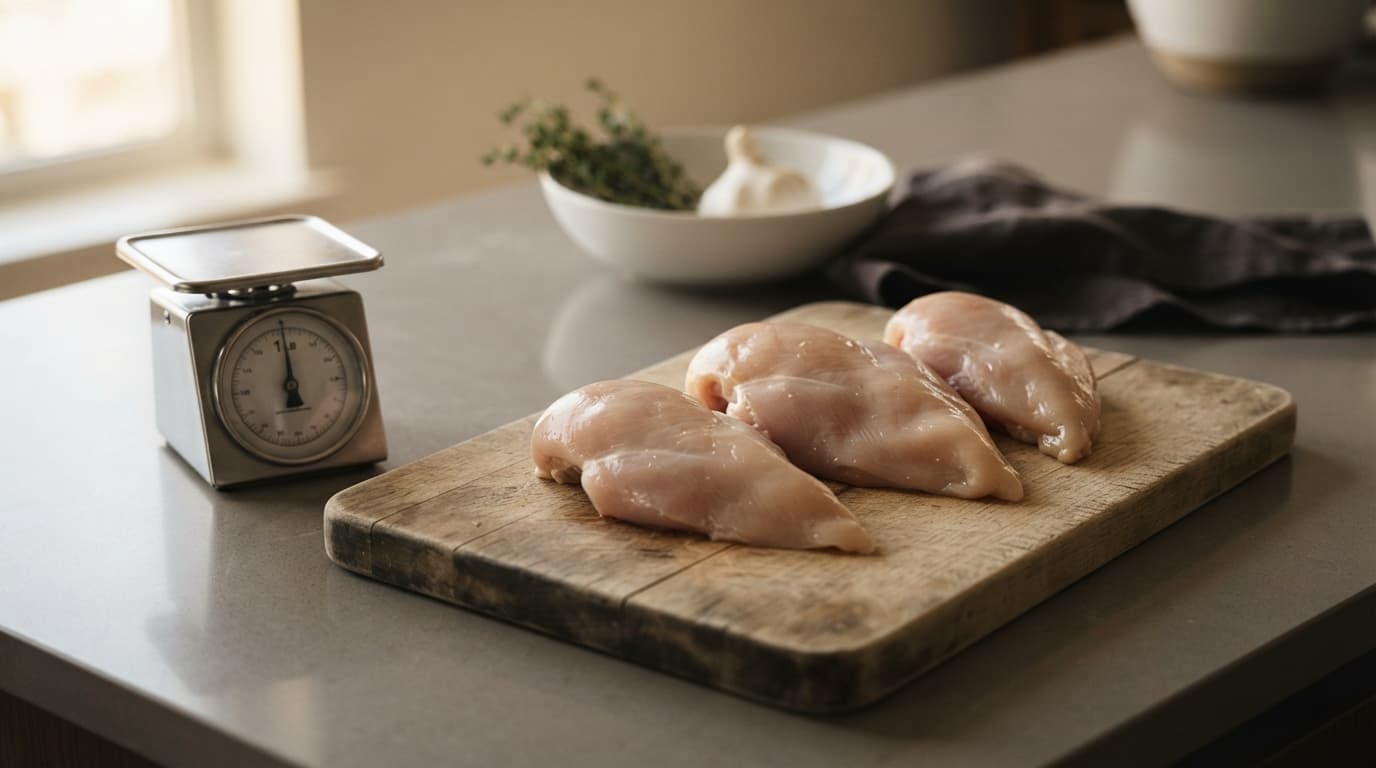
A pound of boneless chicken breast typically holds 2 to 3 pieces, since most breasts weigh 5 to 8 ounces. Size varies enough that weighing beats counting for a recipe.
10 min read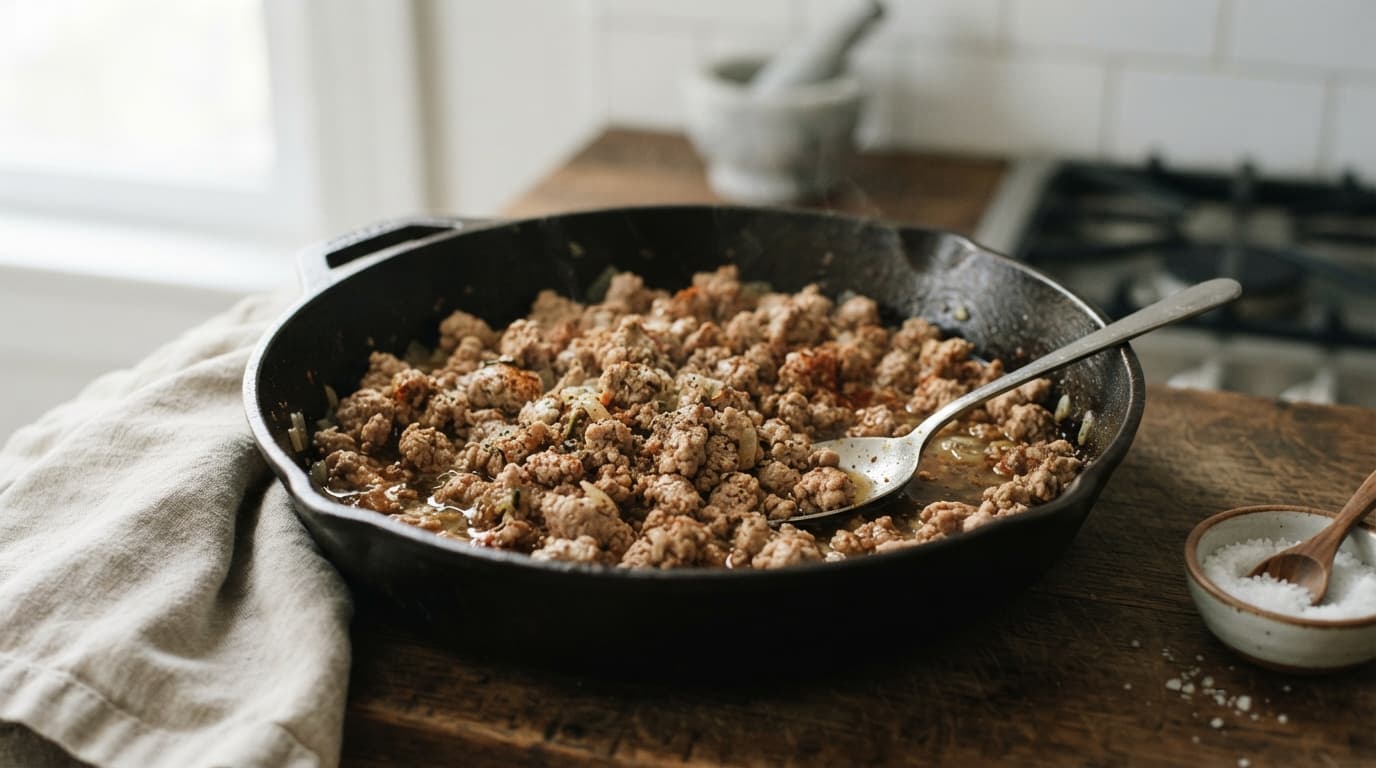
Ground turkey needs about 7 to 10 minutes over medium heat, but time is only a guide. The real requirement is 165°F all the way through, confirmed with a thermometer.
9 min readTables release two weeks out on Resy, Shukette's own booking platform.
Book Now →