How Long Should You Rest Brisket?
Editorial desk · 9 min read · Updated 2026-08-23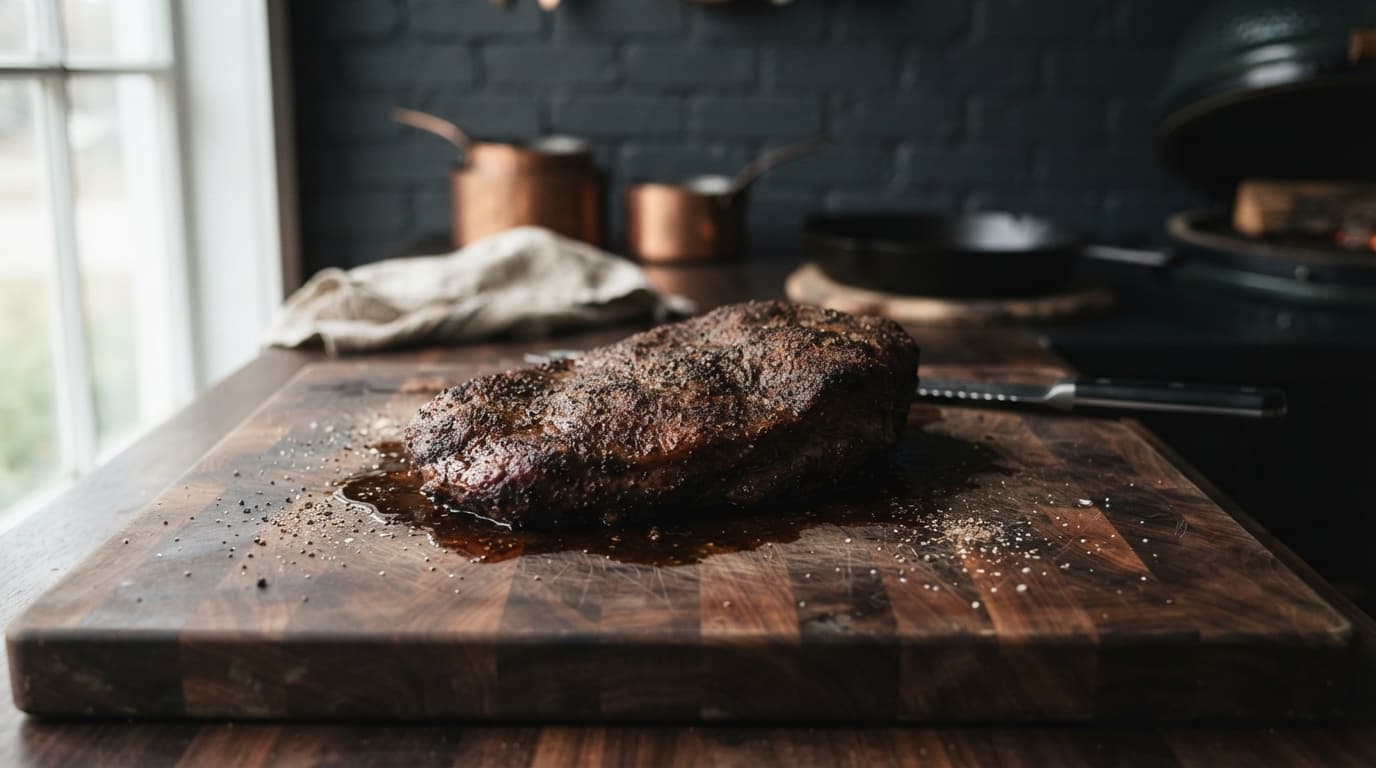
Brisket needs at least an hour of rest, wrapped and off direct heat, before slicing, and many barbecue cooks rest it considerably longer, often 2 to 4 hours in an insulated cooler, for even better moisture retention and easier, cleaner slices. The minimum matters for basic texture; the longer hold is a widely used technique among more serious home and competition cooks for pushing the result further.
Skipping the rest, or cutting it dramatically short, is one of the more common ways a properly cooked brisket ends up disappointing at the table despite the hours of careful smoking that preceded it.
Why resting isn't just a formality
During a long, slow cook, moisture inside the meat migrates toward the center as the exterior loses water to evaporation and rendering fat. Cutting into brisket immediately after it comes off the heat interrupts that moisture before it has any chance to redistribute back out through the whole piece, which is why a brisket sliced too soon often looks noticeably wetter on the cutting board and drier on the plate than one given a proper rest.
Resting also lets carryover cooking finish its work. Internal temperature continues rising for a period after brisket leaves direct heat, driven by residual heat still moving toward the center of the meat, and cutting in too early interrupts that process partway through rather than letting it settle at its actual final point. This same carryover principle applies to other large cuts, though the scale and total rest time brisket calls for is considerably longer given its greater overall mass.
The connective tissue that made brisket tough to begin with is still finishing its own transformation during the rest, too. Collagen that broke down into gelatin during the long climb toward 195 to 205°F continues settling into the meat's fiber structure as everything cools slightly and juices redistribute, which is part of why a well-rested brisket, sliced correctly against the grain, holds together in clean pieces rather than falling apart or squeezing out liquid the moment a knife touches it.
The minimum: at least an hour
A rest of at least an hour, wrapped in foil or butcher paper and set somewhere warm and draft-free, is the baseline most barbecue guidance points to for a brisket of typical size. This shorter rest is enough to let some meaningful moisture redistribution happen and lets carryover cooking largely finish, even if it doesn't deliver the full benefit a longer hold can provide.
An hour is a reasonable minimum when time is genuinely tight, a dinner guest arriving sooner than planned, or a cook that ran later than expected. It's not the ideal target if a longer hold is realistically possible, but it's a meaningfully better outcome than slicing brisket the moment it comes off the smoker.
Confirming the meat has actually reached its target temperature before the rest even begins matters just as much as the rest itself. A thermometer with a fast, accurate read prevents the common mistake of pulling brisket too early based on a guessed time and then resting meat that was never fully done to begin with, since no amount of resting fixes a brisket pulled well short of the 195-to-205°F range where its connective tissue actually finishes breaking down.
The extended hold: 2 to 4 hours in a cooler
Many experienced barbecue cooks rest brisket considerably longer than an hour, commonly in the range of 2 to 4 hours, using an insulated cooler as a low-tech holding chamber. The brisket, still wrapped, goes into a cooler that's been lined with towels or preheated slightly with hot water, then sits sealed for the extended rest period. The cooler's insulation slows heat loss dramatically compared to simply setting the wrapped meat on a countertop, which lets the internal temperature stay elevated and the moisture-redistribution process continue working for much longer than an hour alone would allow.
This technique is widely associated with competition barbecue and well-known Texas-style brisket restaurants, where a brisket finished cooking overnight is held for several hours before service the next morning. The extended hold isn't just about convenience for staggering a cook's finish time around when it needs to be served; cooks who use this method consistently report it produces a noticeably more tender, better-sliced final result than a short rest does.
The food-safety line that matters during a long hold
Any extended rest needs to keep the meat above 140°F throughout, the USDA's minimum safe holding temperature for cooked food, since food held between 40°F and 140°F for too long sits in the range where bacteria can multiply. A properly insulated cooler, holding a large, dense piece of meat like a whole brisket, generally keeps the interior of the wrap well above that threshold for several hours, but it's worth checking with a thermometer partway through an especially long hold rather than assuming the cooler is doing its job indefinitely without any verification.
This is also why an extended rest works better with a larger piece of meat like a whole brisket than it would with something smaller: more total mass holds heat longer, which is part of why the same cooler-rest technique isn't typically recommended for a much smaller cut that would cool toward unsafe territory far faster. Pork butt is a reasonable comparison here, since it's roughly comparable in mass to a brisket flat and holds heat through an extended rest in much the same way, for the same underlying reason: a large, dense piece of meat simply loses heat more slowly than a small one does.
A cooler that's done its job well typically shows a brisket still reading well above 165°F even three or four hours into an extended hold, which is worth knowing as a rough benchmark: a reading that's dropped closer to the 140°F floor earlier than expected suggests either a cooler that isn't sealing well or one that wasn't preheated enough before the brisket went in. Preheating an empty cooler with hot tap water for ten minutes before dumping the water out and loading in the wrapped brisket is a simple step that measurably improves how long the cooler holds temperature, and it costs nothing beyond a few minutes of lead time built into the schedule.
Wrapping technique affects how well the rest works
How brisket is wrapped for its rest matters almost as much as how long the rest lasts. A tight wrap in foil traps more heat and moisture than a looser wrap in butcher paper does, which means a foil-wrapped brisket generally holds its temperature longer during an extended cooler rest, at some cost to the bark's crispness compared to paper. Many cooks wrap in butcher paper for the final stretch of active cooking to preserve bark texture, then switch to a tighter foil wrap specifically for the rest period, getting some of the benefit of both approaches at different stages.
Whichever wrap is used, resting the brisket fat-side up, or however it finished cooking, rather than repositioning it, and keeping it fully sealed rather than venting it periodically to check progress, helps retain as much heat and moisture as possible throughout the hold.
If the brisket in question is a whole packer, the point and flat sections can be rested together or separated before the hold begins, depending on what you plan to do with each piece. Cooks planning to turn the point into burnt ends sometimes pull it slightly ahead of the flat and let it rest on its own for a shorter period before its second round in the smoker, while the flat continues resting toward the full 2-to-4-hour window suited to slicing. Resting the two together, still connected, is simpler and works fine if burnt ends aren't part of the plan, since the point's extra fat helps keep the whole piece warmer for longer during a shared rest.
The rest period is also the right window to get everything else ready, rather than scrambling to find a cutting board and knife the moment the wrap comes off. A wide, stable cutting board with a groove to catch juices, a sharp slicing knife long enough to pull through the brisket in a single stroke rather than a sawing motion, and a warm platter to receive the finished slices all matter more to the final result than they might seem, since a dull knife or a board that's too small to work with can undo some of what a careful rest just accomplished. Slicing against the grain, and remembering that the grain direction changes where the point meets the flat on a whole packer, keeps every piece tender rather than stringy regardless of how perfectly the rest itself went.
When a rest can go too long
An extended hold has real benefits, but it isn't unlimited. Quality can start to decline once a rest stretches well beyond the useful 2-to-4-hour window, even if the meat technically remains above the 140°F safety threshold the entire time. Texture and the crispness of any bark developed during cooking are the qualities most likely to suffer from an excessively long hold, rather than any new food-safety concern specifically, as long as that 140°F floor is maintained.
If a specific serving time is known well in advance, timing the cook backward from that target, factoring in a deliberate 2-to-4-hour hold rather than treating rest time as a leftover buffer after cooking finishes, produces a more consistent result than either rushing a short rest or accidentally holding the meat far longer than intended.
A brisket finished far earlier than needed is actually the easier problem to manage, since a properly insulated cooler can comfortably absorb a longer-than-planned wait as long as the 140°F floor holds. The harder scenario is a brisket that runs later than expected, commonly because of an unusually long stall, since there's no equivalent way to compress a rest that hasn't happened yet without sacrificing the texture benefit it provides. Building slack into the cook itself, starting several hours earlier than the math strictly requires, is a more reliable fix than trying to shorten the rest on the back end once the smoker has already run long.
Applying the same logic to a group meal
Brisket's long total time commitment, both for the cook itself and for a proper rest afterward, makes it a natural centerpiece for a planned gathering rather than a spontaneous weeknight meal. Building the rest period into your overall timeline from the start, rather than treating it as something to squeeze in after the smoker work is technically done, is part of what separates a brisket that turns out well from one that's merely safe to eat.
Not every slow-cooked centerpiece follows an American barbecue script, either. Restaurants built around wood-fire cooking apply the same basic patience to grilled and slow-roasted mains from entirely different culinary traditions, timing a kitchen's service around when a dish is actually ready rather than an arbitrary clock. The instinct behind a long brisket rest, that a dish finishes its transformation only after direct heat stops, shows up anywhere meat gets cooked low and slow, whatever style of kitchen it happens to come out of.
None of that changes the specific number that matters most here: an hour, minimum, and 2 to 4 hours if the schedule allows it, with 140°F as the floor that can't be crossed no matter how the rest is managed. Everything else, the cooler, the wrap, the timing math worked backward from a serving time, exists to make that one number easier to hit consistently, cook after cook.
Whether you rest for the one-hour minimum or the longer 2-to-4-hour hold many serious cooks prefer, the underlying goal is the same: give the meat time to finish the work that direct heat alone can't complete, so the slices that eventually reach the table reflect the full effort that went into the hours of cooking before them.
Frequently asked questions
What's the minimum rest time for brisket?+−
At least an hour, wrapped and set aside off direct heat, is the commonly cited minimum. Many barbecue cooks rest brisket considerably longer, often 2 to 4 hours in an insulated cooler, for better moisture redistribution and easier slicing.
Why does resting brisket matter so much?+−
Resting lets juices driven toward the center of the meat during a long cook redistribute back through the whole piece, and it allows carryover cooking, a continued rise in internal temperature, to finish evenly rather than cutting into meat still actively adjusting to the heat it just left.
Is it safe to rest brisket for several hours?+−
Yes, as long as the meat stays above 140°F throughout the rest, the USDA's minimum safe holding temperature for cooked food. An insulated cooler, properly wrapped, generally holds a large piece of meat like brisket above that threshold for several hours.
Does resting longer always produce a better result?+−
Not indefinitely. Extended holds of 2 to 4 hours are widely used and generally beneficial, but the meat still needs to stay above 140°F the entire time, and quality can decline once a rest stretches well beyond that useful window.
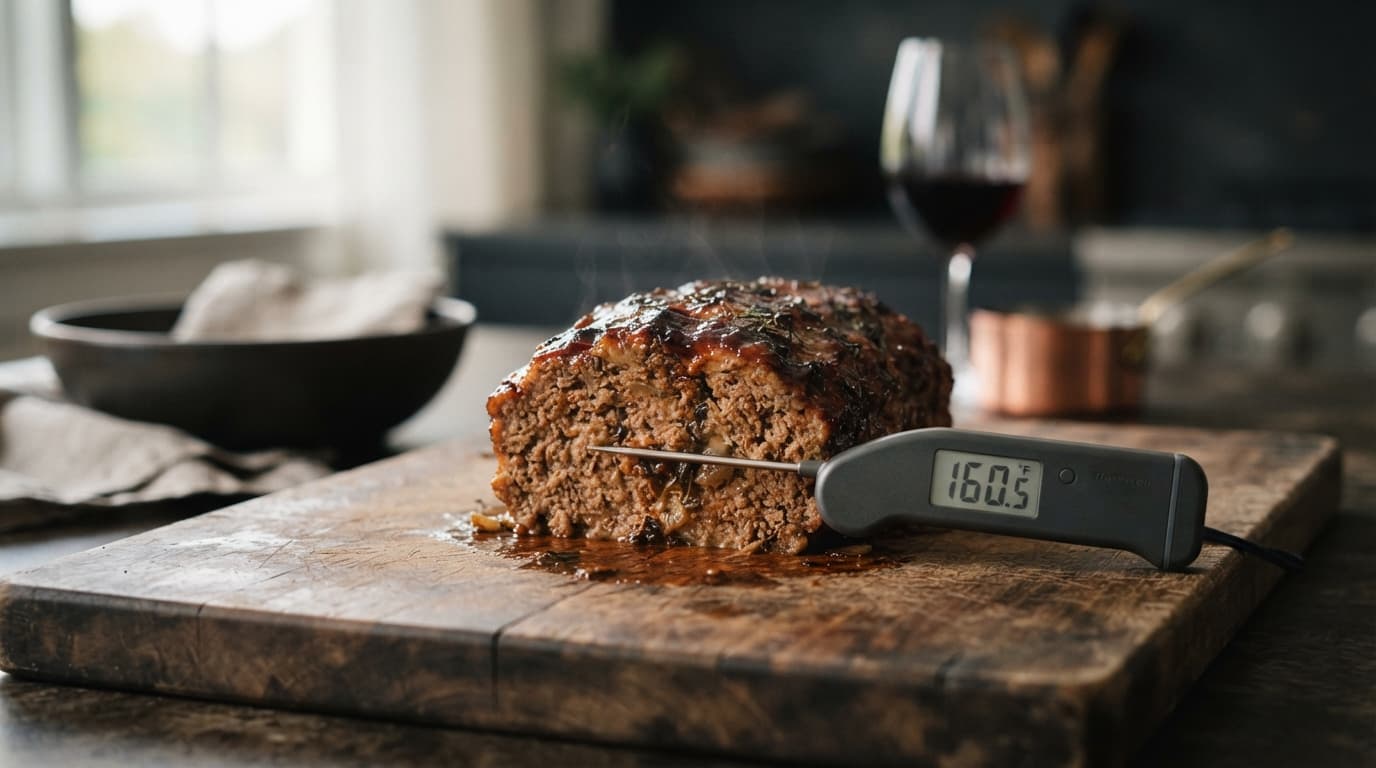
160°F, per USDA guidance for ground meat, beef, pork, veal, or a mix. That's higher than whole-cut beef's 145°F minimum, for a specific reason.
9 min read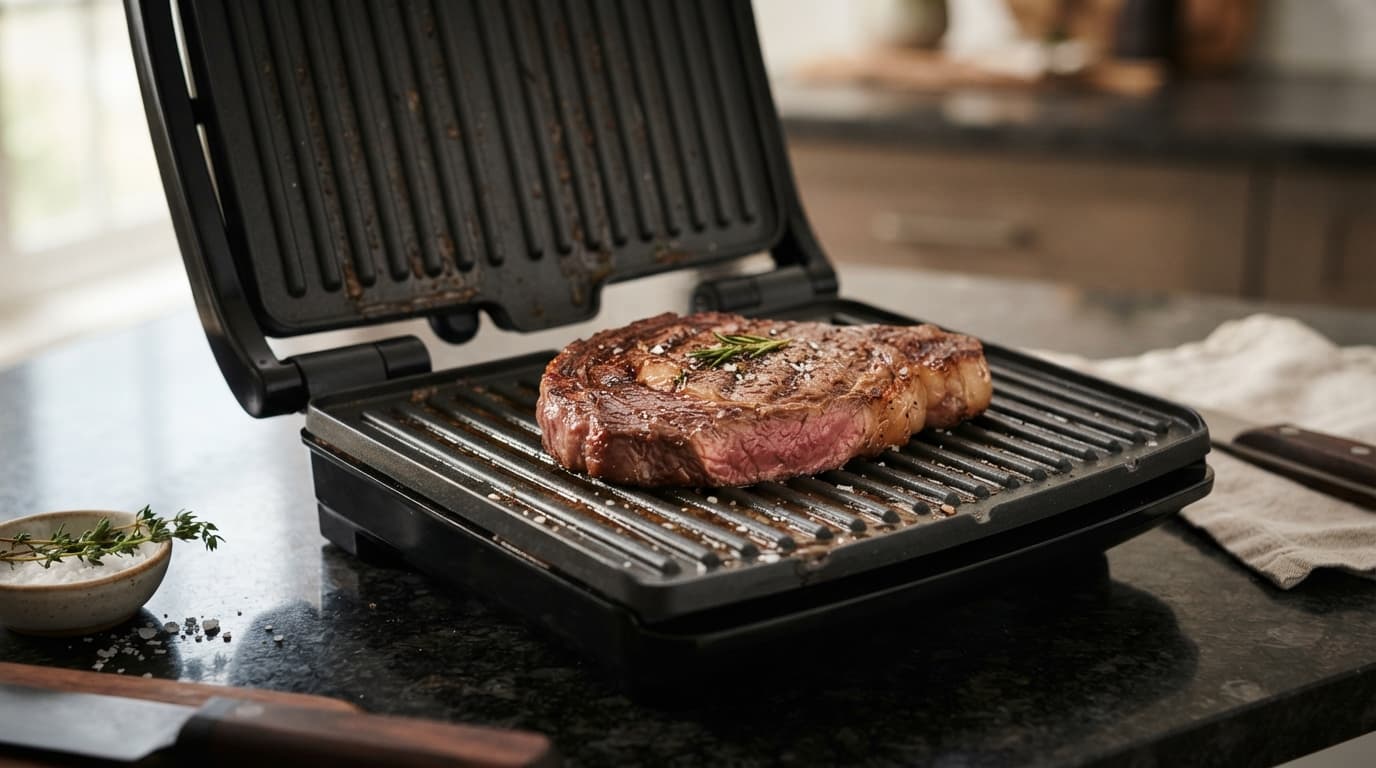
A 1-inch steak takes about 4-7 minutes for medium-rare on a contact grill, since both sides cook at once. Thickness affects time more than the clock does. Confirm 145°F.
10 min read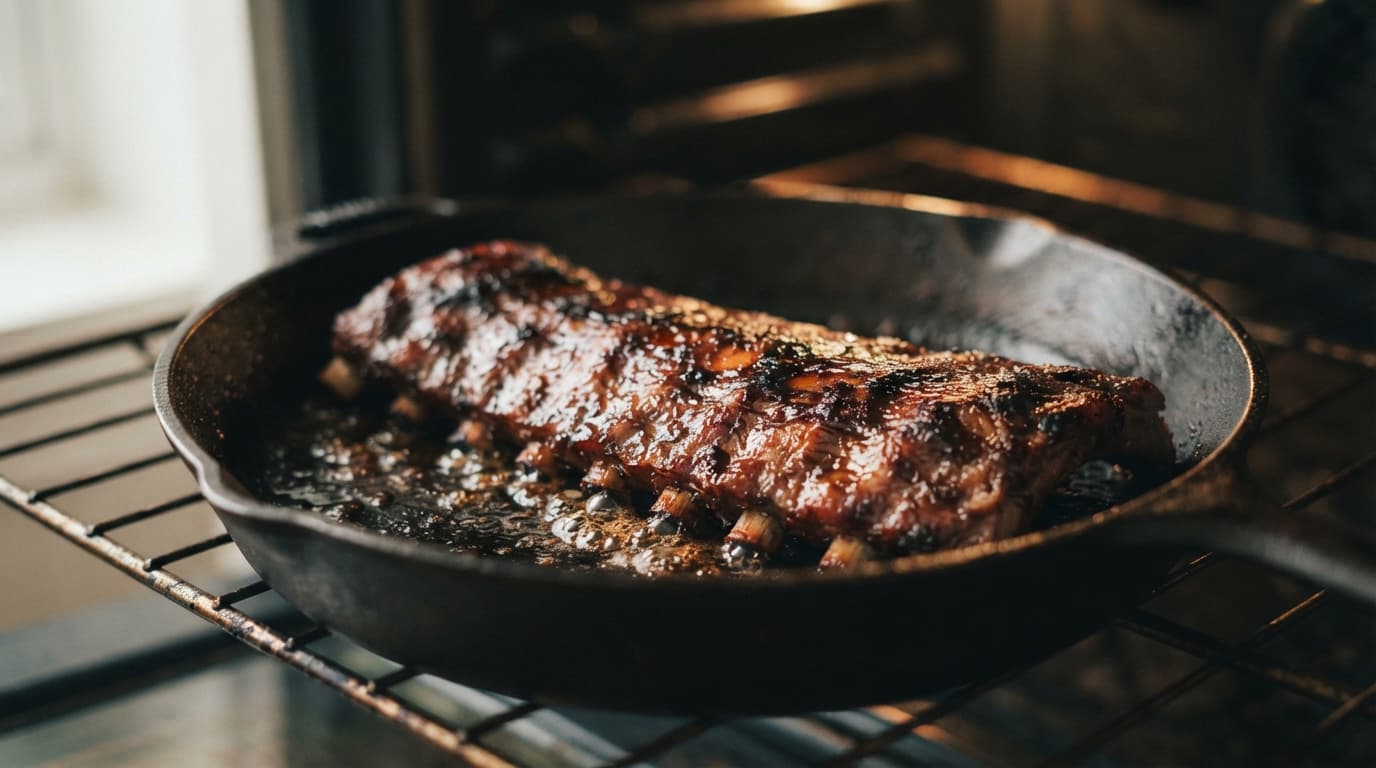
Precooked ribs need reheating to 165°F, not cooking from raw. The practitioner approach is about 250°F for 20 to 30 minutes, foil-wrapped with added moisture.
9 min readTables release two weeks out on Resy, Shukette's own booking platform.
Book Now →