Brisket Point vs Flat
Editorial desk · 9 min read · Updated 2026-08-23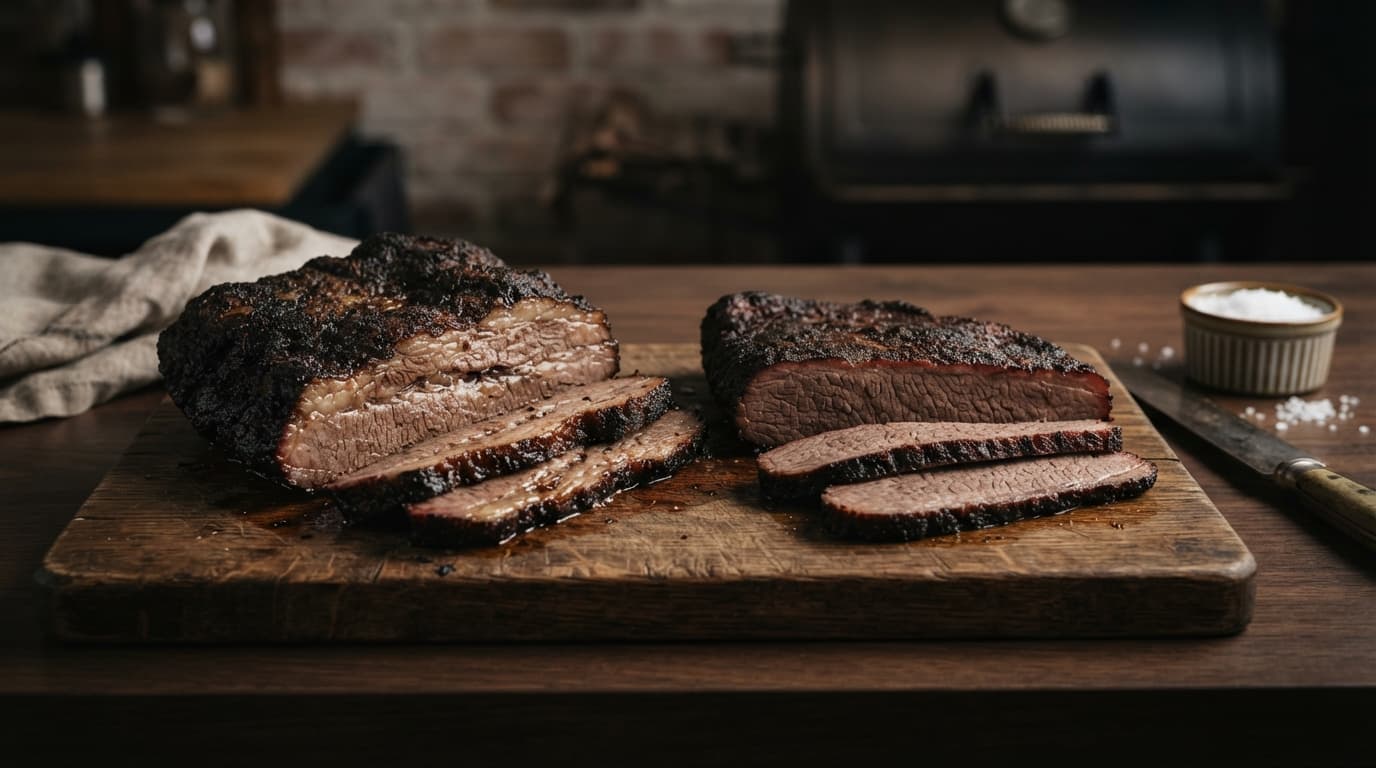
The point and the flat are the two separate muscles that make up a whole beef brisket, and they behave differently enough in the kitchen that it's worth knowing which one you're working with. The flat, officially the pectoralis profundus, is the long, wide, relatively lean muscle usually sliced for sandwiches. The point, the pectoralis superficialis, sits on top of the flat, is smaller and thicker, and carries noticeably more fat and connective tissue, which is why it's the piece most often turned into burnt ends.
Both muscles come from the same primal cut, the brisket, taken from the lower chest of the animal, but they're distinct enough in shape, fat content, and cooking behavior that professional barbecue cooks and butchers treat them as two different ingredients rather than interchangeable halves of one piece.
| Flat (pectoralis profundus) | Point (pectoralis superficialis) | |
|---|---|---|
| IMPS/NAMP code | 120A | 120B |
| Shape | Long, wide, uniform thickness | Smaller, thicker, irregular/triangular |
| Fat content | Leaner, lower internal marbling | Fattier, heavier fat cap |
| Grain direction | Consistent along full length | Shifts partway through the muscle |
| Best suited for | Thin slicing against the grain | Cubing and re-smoking into burnt ends |
Two muscles, one primal cut
A whole beef brisket is made up of two separate muscles connected by a layer of fat and connective tissue called the deckle. The flat lies underneath, running the full length of the brisket in a long, relatively even slab. The point sits above the flat, roughly over its thicker end, in a smaller, thicker, more irregularly shaped piece. Within the USDA's IMPS and NAMP meat identification system, the whole brisket carries the designation IMPS 120, with the flat listed separately as 120A and the point as 120B once they're broken down individually.
That official designation matters for the same reason it matters with other specifically named cuts: it confirms the point and flat aren't informal butcher shorthand but two distinctly defined pieces of meat with their own industry specifications. A butcher counter or barbecue supplier selling "flat cut brisket" or "point cut brisket" is referencing a real, standardized product, not an arbitrary in-house label.
Why the point carries so much more fat
The point sits in a part of the chest that did comparatively less continuous, load-bearing work in the living animal than the flat did, which is part of why it developed with more internal marbling and a thicker fat cap. The flat, by contrast, is a harder-working, more structurally consistent muscle, and it stays leaner and more uniform in thickness along its entire length as a result.
That fat difference shows up directly on the plate. A well-cooked point, once its fat and connective tissue have rendered down over a long, low cook, eats rich and almost falls apart on its own, which is exactly the texture that makes it well suited to being cubed, sauced, and re-smoked into burnt ends. The flat, being leaner, holds together better under a knife, which is why it's the piece typically sliced thin against the grain for a sandwich or a plated dinner portion.
What each cut is actually good for
If the goal is clean, presentable slices, the flat is the more forgiving piece to work with, since its even thickness cooks more predictably from end to end than the point's irregular shape does. A tomahawk steak rewards a dramatic presentation for a similar reason: uniform shape makes for a more controlled, visually consistent result once it's on the plate, even though a tomahawk and a brisket flat come from entirely different parts of the animal and are cooked by completely different methods.
The point earns its reputation specifically because of what its extra fat does under heat. Cubed into rough one-to-two-inch pieces after the initial cook, tossed in a light sauce or rub, and returned to the smoker for another hour or so, the point's rendered fat and broken-down connective tissue produce the sticky, deeply flavored bite associated with good burnt ends. Trying the same treatment on flat meat generally produces a drier, less satisfying result, since there isn't enough internal fat to carry that second round of cooking.
There's a middle path worth knowing about too: chopped brisket, where slices or trimmings from the flat get roughly hand-chopped rather than cubed and re-smoked. This works well for sandwich fillings or as a way to use flat trim that didn't slice into perfectly clean pieces, and it doesn't require the point's higher fat content the way true burnt ends do. It's a useful option for a cook who ends up with a flat that's slightly overcooked or unevenly sliced and wants a second use for it rather than serving imperfect slices as-is.
Buying point or flat separately versus a whole packer
Retail grocery stores most commonly stock the flat on its own, since its even shape makes it easier to price, package, and cook predictably for a home audience that may not have smoked a brisket before. The point is sold separately less often at a general supermarket, though a dedicated butcher or barbecue supplier is more likely to carry it, either on its own or as part of a whole, untrimmed packer brisket that includes both muscles connected by the deckle.
Buying a whole packer and separating the two muscles yourself, or asking a butcher to do it, is the more economical route if you want to cook both the point and the flat, since a packer's combined price per pound is often lower than buying each piece separately after they've already been broken down and individually packaged.
Separating the two at home takes some practice but isn't difficult once you know where to look. A visible seam of fat, thicker and more distinct than the marbling running through either muscle, marks the boundary between point and flat, and a boning knife run along that seam, following the fat rather than cutting through meat, splits the two apart cleanly. Doing this before cooking gives you more control over trimming each piece to its own ideal fat cap, though many cooks prefer to leave a packer intact through the full cook and separate the two only afterward, once the point has had the chance to baste part of the flat during cooking.
Do point and flat need different cooking approaches?
Both pieces are safe to eat once they reach 145°F internally, the USDA's minimum for whole cuts of beef, but neither is genuinely enjoyable at that temperature. Brisket, point and flat alike, is a tough, connective-tissue-heavy cut in the same general category as pork butt: both need to climb well past their safety minimum, generally into the 195-to-205°F range, before that connective tissue breaks down into a tender, sliceable or shreddable texture.
Within that shared general target, the point's higher fat content gives it more built-in protection against drying out during a long cook, since rendering fat continuously bastes the meat from the inside as it cooks. The leaner flat has less of that natural insulation, which means it benefits more from careful moisture management, wrapping partway through the cook, monitoring more closely as it approaches the target range, or positioning it further from the most intense direct heat if it's cooking alongside the point on the same smoker.
Cooking a whole packer brisket, point and flat still connected, actually works in the flat's favor for this exact reason: the point effectively shields part of the flat from direct heat and contributes some of its own rendering fat to the flat's moisture level throughout the cook. Separating the two pieces before cooking removes that natural protection, which is one more reason a flat cooked entirely on its own needs closer attention than the same flat cooked as part of a whole packer.
Reading a brisket at the counter
If you're standing at a butcher counter trying to identify which piece you're looking at, thickness and shape are the fastest tell. The flat is long, relatively flat, and fairly even in thickness end to end. The point is shorter, thicker, and more irregular, often described as roughly triangular or wedge-shaped, and it typically carries a visibly heavier fat cap than the flat does.
If a package is simply labeled "brisket" with no further detail, it's worth asking directly which specific cut it is, since a leaner flat and a fattier point call for different expectations at the table even before either one goes anywhere near a smoker. Knowing which piece you're buying ahead of time, rather than discovering the difference partway through a long cook, makes it much easier to plan for the result you actually want.
Grain direction is a second, less obvious tell worth checking once you're actually slicing rather than just buying. The flat's grain runs in one fairly consistent direction along its full length, which is why slicing against the grain is straightforward once you know which way that length runs. The point's grain shifts direction partway through the muscle, a consequence of its more irregular shape, which is part of why it's harder to slice into clean, uniform pieces and part of why cubing it for burnt ends sidesteps the grain question almost entirely.
A stated cook time or a smoker's estimated hours-per-pound figure is a starting point, never a substitute for actually checking internal temperature directly. A thermometer that reads accurately and consistently matters more here than it might for a quicker-cooking cut, since a brisket cook stretches over so many hours that a small, repeated measurement error compounds into a genuinely wrong read on where the meat actually stands. Probe placement differs slightly between the two muscles once they're separated: on the flat, the thickest point along its length gives the most representative reading, while the point's irregular shape means checking in two or three spots and looking for consistency is more trustworthy than trusting one reading alone. A probe that slides in with almost no resistance, sometimes described as feeling like probing softened butter, is a useful secondary confirmation alongside the numeric reading itself.
Same primal cut, two different eating experiences
Neither the point nor the flat is ready to slice or shred the moment it comes off the smoker, regardless of how accurately it hit its target temperature. Brisket needs a genuine rest period, commonly at least an hour and often several hours longer in an insulated cooler, before the moisture that migrated toward the center during cooking has a chance to redistribute back through the whole piece. If you've separated the point from the flat before this stage, both pieces still need that rest, though the point is sometimes pulled slightly early specifically to begin its second act as burnt ends while the flat continues resting undisturbed.
Brisket rarely appears alone on a barbecue spread, either. Pulled pork is the closest analog in terms of cooking logic, both reaching the same food-safety minimum well before either is genuinely tender, but pork shoulder's more uniform fat distribution means it doesn't split into two such differently behaved pieces the way brisket does. A whole packer is simply the point and flat before they've been separated, worth remembering if a recipe or a butcher's terminology ever makes the relationship between the three terms feel less obvious than it actually is.
The point and the flat come from the same whole brisket, but they're different enough in fat content, shape, and ideal end use that treating them as two separate ingredients, rather than one interchangeable cut, leads to a better result either way. Choose the flat for clean slices and a leaner bite; choose the point when a richer, more heavily marbled texture, especially for burnt ends, is the actual goal. Buying a whole packer keeps both options open at once, at the cost of needing to separate the two muscles yourself or find a butcher willing to do it for you.
Frequently asked questions
Which is better, brisket point or flat?+−
Neither is objectively better; they suit different goals. The flat slices cleanly for sandwiches and plated servings. The point is fattier and better suited to being cubed and re-smoked into burnt ends, or served to someone who wants a richer, more marbled bite.
Why does the point have more fat than the flat?+−
The point, or pectoralis superficialis, sits above the flat and carries more internal marbling and a heavier fat cap, since it did less continuous structural work in the animal than the flat. The flat, or pectoralis profundus, is leaner and more uniform because it's built for sustained support.
Can you buy just the point or just the flat separately?+−
Yes, both are sold as standalone cuts at many butcher counters and grocery stores, most often labeled as a "flat cut" or "point cut" brisket, though a whole packer brisket containing both is more common at dedicated barbecue suppliers.
Do the point and flat cook at the same rate?+−
Not exactly. The point's higher fat content gives it more built-in moisture protection during a long cook, while the leaner flat is more prone to drying out if it's not monitored closely, even though both pieces are typically smoked to the same general finishing temperature.
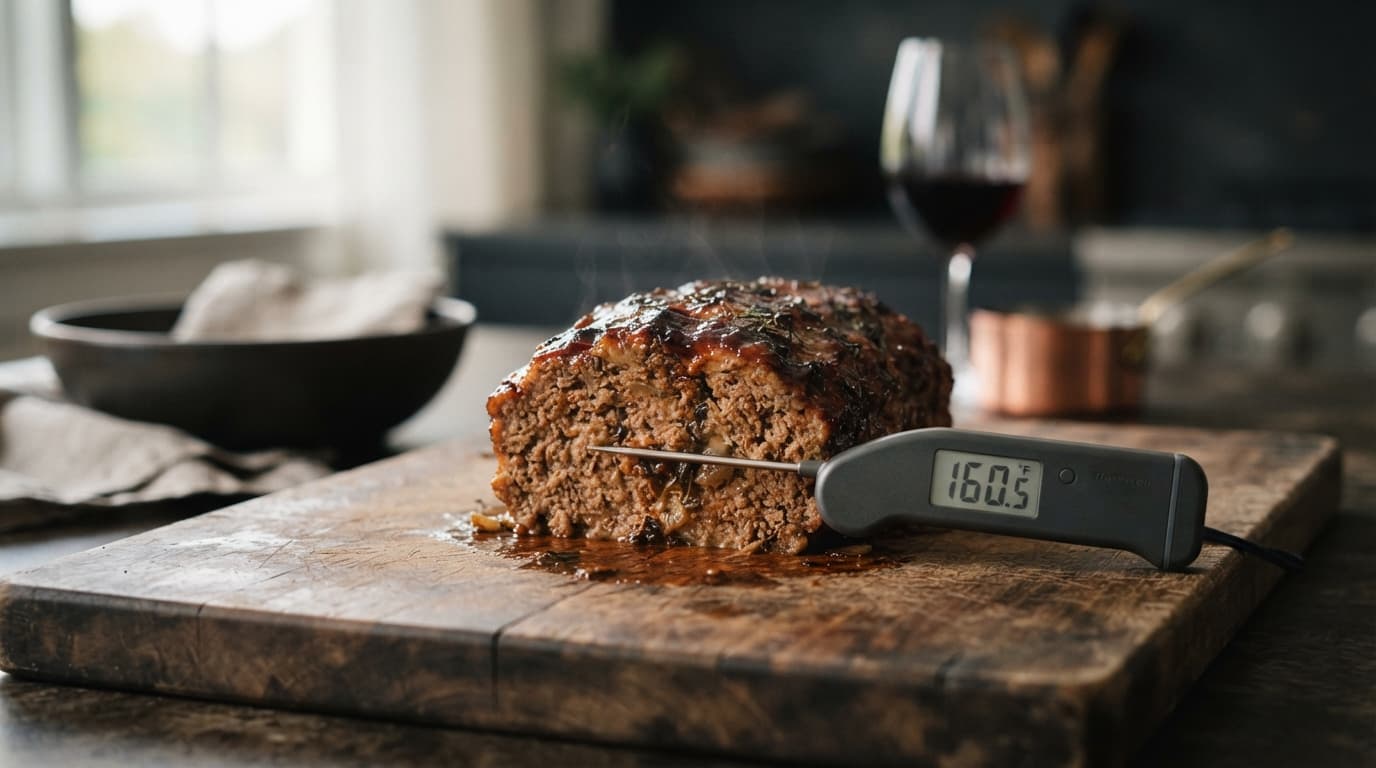
160°F, per USDA guidance for ground meat, beef, pork, veal, or a mix. That's higher than whole-cut beef's 145°F minimum, for a specific reason.
9 min read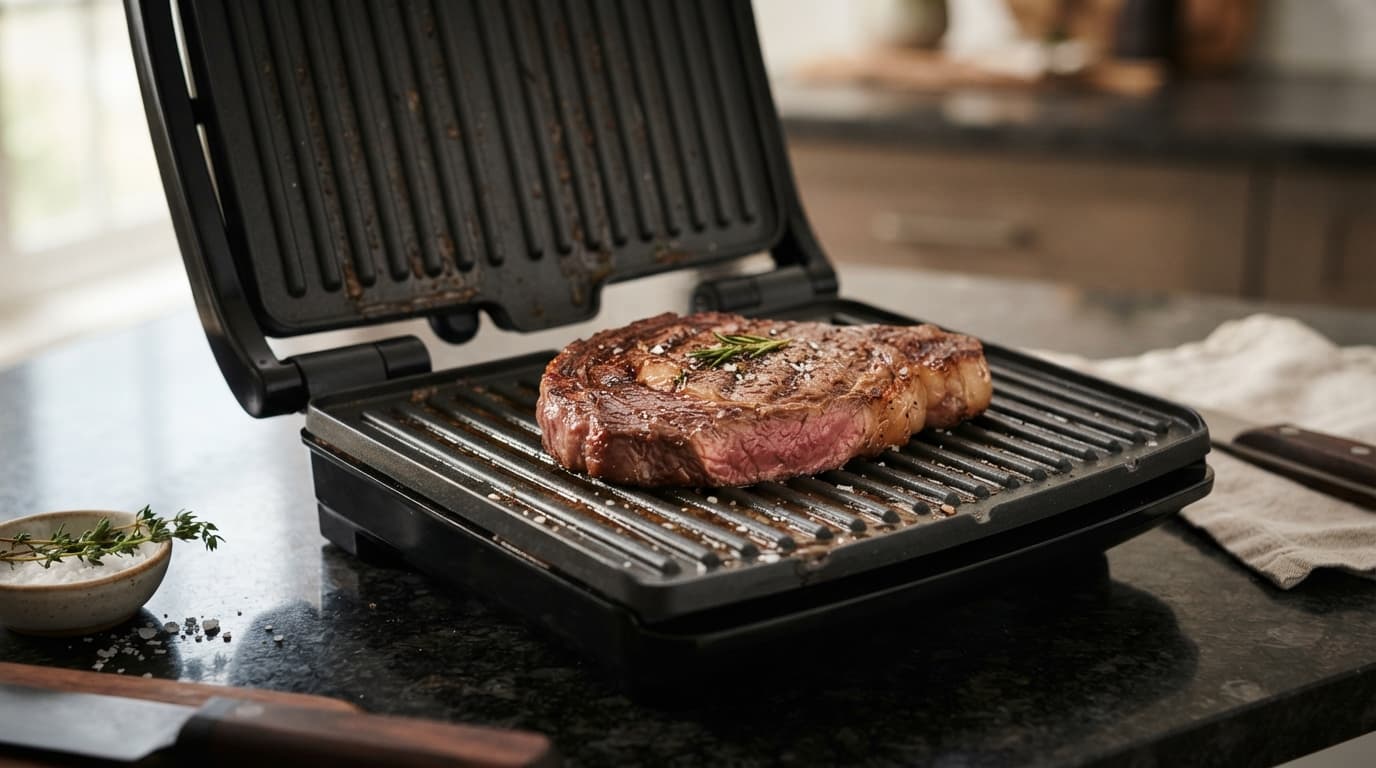
A 1-inch steak takes about 4-7 minutes for medium-rare on a contact grill, since both sides cook at once. Thickness affects time more than the clock does. Confirm 145°F.
10 min read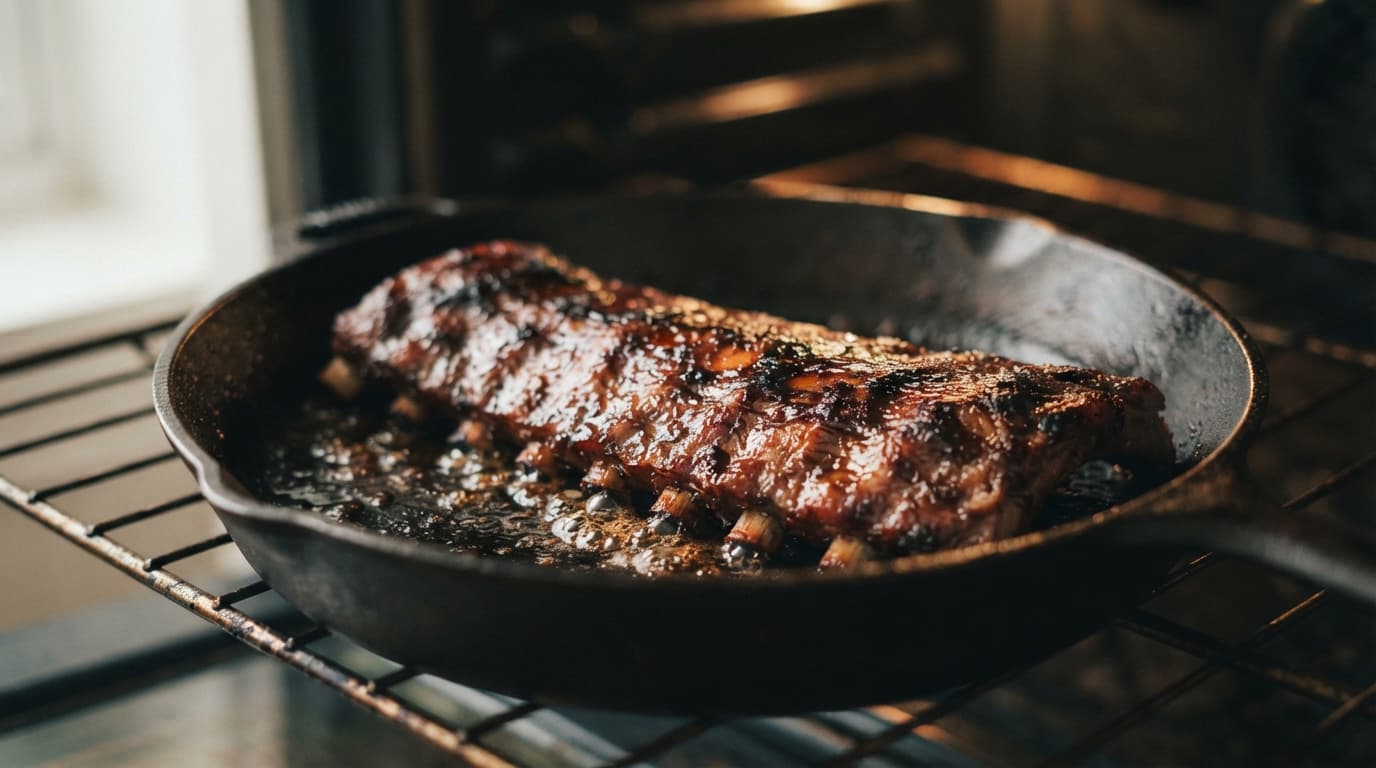
Precooked ribs need reheating to 165°F, not cooking from raw. The practitioner approach is about 250°F for 20 to 30 minutes, foil-wrapped with added moisture.
9 min readTables release two weeks out on Resy, Shukette's own booking platform.
Book Now →