Brisket Flat vs Packer
Editorial desk · 9 min read · Updated 2026-08-23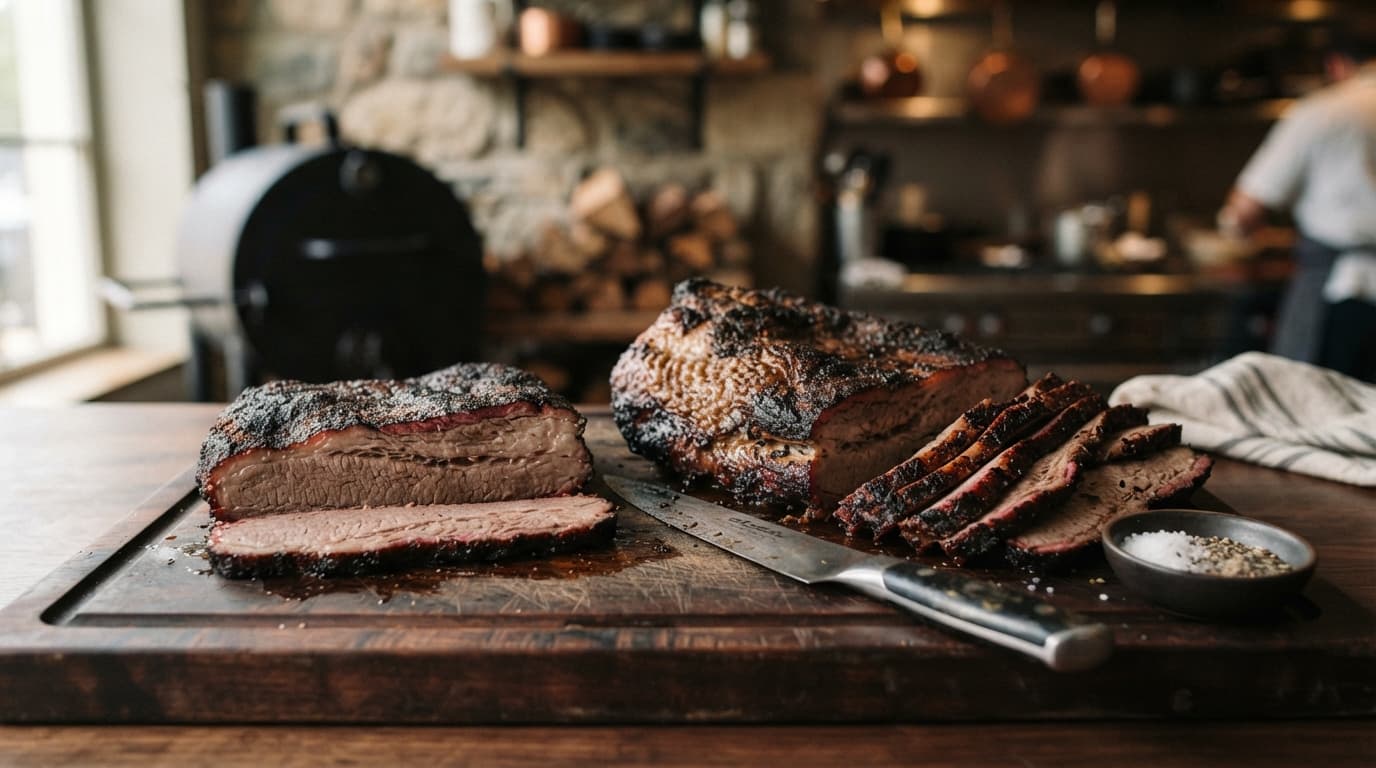
A packer brisket is the whole brisket exactly as it leaves the packing plant: both the point and flat muscles still connected by a layer of fat and connective tissue, and largely untrimmed. A flat-only cut is what's left once a butcher separates out and removes the point, leaving just the leaner, more uniform flat muscle on its own. The two differ enormously in size, a whole packer commonly running 10 to 16 pounds against a flat-only cut's typical 4 to 8, and in how they behave once they hit a smoker or oven.
Most home cooks encounter flat-only brisket far more often than a whole packer, simply because it's the version stocked at a typical grocery store. Understanding what you're missing, or gaining, by choosing one over the other makes it easier to pick the right one for a specific cook.
| Weight range | What's included | Typical source | Cooking consideration | |
|---|---|---|---|---|
| Packer | 10-16 lb | Point and flat, untrimmed | Specialty butcher, BBQ supplier | Point insulates flat; longer, more pronounced stall |
| Flat-only | 4-8 lb | Flat muscle only, pre-trimmed | Typical grocery store | Leaner, dries out faster, needs closer moisture monitoring |
What "packer" actually refers to
The term comes directly from meatpacking terminology: a packer brisket is the cut as it's shipped from the processing plant, before any butcher further separates or trims it. That means both muscles, the point and the flat, remain joined by the deckle, and a substantial portion of the original fat cap is still intact rather than trimmed down to the thinner layer often left on a retail flat.
This untrimmed, whole state is exactly what serious barbecue cooks look for, since it gives them full control over how much fat to trim themselves before cooking, rather than relying on a butcher's trimming decisions made for general retail appeal. A packer brisket is, in that sense, the rawest and most complete version of the cut available.
Trimming a packer down before it goes into the smoker is close to a required step, not an optional one. Most cooks trim the thickest part of the fat cap to somewhere around a quarter-inch, leaving enough fat to render and baste the meat during the long cook without leaving so much that heat can't penetrate through it to the meat underneath. Hard, waxy deposits of fat near the deckle, the seam between point and flat, get trimmed away entirely, since that fat doesn't render properly no matter how long the cook runs. A flat-only cut, having already been trimmed once by a butcher for retail sale, generally needs only minor additional trimming, if any, which is one more reason it's the lower-effort starting point of the two.
The size difference is dramatic
A whole packer brisket typically weighs somewhere between 10 and 16 pounds, occasionally more from a larger animal, since it includes the full mass of both muscles plus their connecting fat and a heavier fat cap. A flat-only cut, with the point already separated away, usually falls in the 4-to-8-pound range, closer to what a smaller household might actually want to cook and serve in one sitting.
That size gap has real practical consequences beyond just how much meat ends up on the table. A whole packer needs a smoker or oven large enough to accommodate its bulk and shape, a longer total cook time given the greater mass, and realistically a full day's commitment for a proper low-and-slow cook. A flat-only cut, being smaller, fits more easily into a standard home oven or a smaller smoker and finishes in less total time, which is part of why it's the more approachable option for a first attempt at cooking brisket at all.
Smoker geometry matters more here than it might seem at first. A packer's odd, elongated shape, wider at the point end and tapering toward the flat's tail, doesn't fit neatly on every grate, and a smoker rated for a certain number of racks by volume alone can still struggle to accommodate one long packer without trimming the ends or angling it diagonally across the available space. A flat, being more uniformly rectangular, fits a wider range of smokers and ovens without that same geometry puzzle, which is a real, if easy to overlook, factor in why it's the more beginner-friendly option beyond just its shorter cook time.
Why retail leans so heavily toward flat-only
Grocery stores and general butcher counters favor the flat specifically because its long, even shape is easy to portion into consistent packages and price per pound in a way shoppers expect. The point's irregular, wedge-like shape and heavier fat content don't fit that same standardized retail model nearly as cleanly, which is a meaningful part of why it's harder to find pre-packaged at a typical supermarket.
Dedicated barbecue suppliers, wholesale clubs, and butcher shops that cater specifically to home smokers are far more likely to carry whole packer briskets, since their customer base is already looking for the complete, untrimmed cut rather than a smaller, more convenient portion. If a whole packer is what you're after, a specialty source is generally a more reliable bet than a general supermarket meat case.
How cooking a whole packer differs from cooking just the flat
Cooking the two muscles while they're still connected changes how the flat behaves during a long cook. The point, sitting above and against part of the flat, acts as a natural buffer against direct heat and contributes some of its own rendering fat to the flat's moisture level throughout the cook, the same insulating effect fattier cuts generally provide leaner ones cooked alongside or connected to them. A flat cooked entirely on its own loses that protection, which means it's more exposed to drying out and generally needs closer moisture monitoring, whether through wrapping partway through the cook or careful temperature management.
Because a whole packer carries substantially more total mass, it also simply takes longer to cook through than a flat-only piece would, even accounting for the fact that the two muscles inside a packer don't necessarily finish at exactly the same moment given their different fat content and thickness. Some cooks separate the point from the flat partway through a packer cook once the point has rendered enough to pull it for burnt ends, letting the flat continue cooking on its own to reach a slightly different final target suited to slicing.
Total cook time scales with weight but not in a perfectly straight line. A rough industry rule of thumb puts brisket at somewhere around 1 to 1.5 hours per pound at a typical smoking temperature, which means a 14-pound packer can realistically take twice as long as a 6-pound flat, sometimes more once the stall, a lengthy plateau where internal temperature barely moves despite steady heat, is factored in. A whole packer's greater mass tends to produce a longer, more pronounced stall than a smaller flat does, simply because there's more total meat holding onto moisture that has to evaporate before the internal temperature can resume climbing. Planning a packer cook without padding generously for this stall is one of the more common ways a whole-packer cook runs later into the night, or the next morning, than originally planned.
A whole packer's rest period also tends to run longer than a flat-only cut's, simply because more total mass holds heat longer and benefits more from an extended hold. A flat-only brisket can often get by with the shorter end of the typical rest window, while a full packer, especially one destined to have its point pulled separately for burnt ends, generally rewards the longer 2-to-4-hour cooler hold many experienced cooks favor.
Which one to choose for a given goal
A flat-only cut makes sense if the plan is a straightforward, sliceable brisket for a smaller group, without the added step of separating and processing the point into a second dish. It's also the more forgiving starting point for anyone cooking brisket for the first time, given its smaller size, shorter total cook time, and wider retail availability.
A whole packer is the better choice if the goal includes burnt ends specifically, since that requires the point, or if you're cooking for a larger group and want the flexibility of serving both a leaner sliced portion and a richer, fattier one from the same cook. It does ask more in return: more time, more oven or smoker space, and generally more hands-on trimming before the cook even begins.
Whichever size you land on, an accurate thermometer matters just as much on a small flat as it does on a full packer, since both need to clear the same 145°F food-safety floor before climbing on toward the 195-to-205°F range where the connective tissue actually breaks down. A packer's greater size just means more spots worth checking, given how much further apart the thickest and thinnest points of the meat can sit once both muscles are involved.
Cost per pound tells its own story
A whole packer's price per pound is often lower than buying an already-separated flat and point individually, since the butchery labor of separating the two muscles adds cost that gets passed along in the pre-separated products. Buying a packer and doing that separation yourself, or asking a butcher to do it at the time of purchase, is frequently the more economical route if you know you want both pieces eventually.
That said, a whole packer's larger total weight means a bigger total dollar amount at checkout even at a lower per-pound rate, which is worth factoring into a budget alongside the per-pound comparison. A flat-only cut, despite its higher per-pound cost, often represents a smaller total spend simply because there's less total meat involved.
Grading also factors into price in a way that's easy to overlook next to the packer-versus-flat question. USDA Choice and Prime brisket carry noticeably more marbling than Select grade, and that marbling difference affects both price and final texture regardless of whether you're buying a whole packer or a flat alone. A Prime-grade flat can end up costing close to what a Choice-grade packer runs, which is worth weighing against the simple point-versus-flat calculation if grade information is available at your specific source.
Yield is the other number worth factoring into any cost comparison. A whole packer loses a meaningful share of its raw weight to trimmed fat and to moisture lost during the long cook, commonly somewhere in the range of a third to half of its starting weight by the time it's fully cooked and rested. A flat-only cut, having already had much of its excess fat trimmed away before sale, tends to lose a somewhat smaller share of its starting weight over the same cook, which narrows the effective cost-per-served-pound gap between the two options more than the raw per-pound sticker price alone would suggest.
Matching the cut to the cook you actually want to do
A packer brisket and a flat-only cut aren't really competing versions of the same product; they're suited to different goals, different group sizes, and different amounts of time and equipment. A flat gets you a straightforward, reasonably sized brisket dinner with less commitment on every front. A whole packer gets you the complete cut, the option of burnt ends, and a genuinely bigger project, at a lower cost per pound if you're willing to do more of the work yourself.
Planning around a fixed dinner time works the same way whether the underlying project is a smoker running overnight or a table booked well in advance: the bigger and more involved the undertaking, the further back from the actual meal the planning has to start. A whole packer, with its longer cook and its own extended rest afterward, simply asks for that lead time in a way a flat-only brisket, or a restaurant reservation, doesn't demand nearly as much of.
Frequently asked questions
What does "packer brisket" actually mean?+−
A packer brisket is the whole brisket as it comes from the packing plant, both the point and flat muscles still connected by the deckle, largely untrimmed. It's the full, original cut before a butcher separates it into its two component pieces.
Is a packer brisket bigger than a flat-only cut?+−
Yes, considerably. A whole packer typically runs 10 to 16 pounds, sometimes more, since it includes both muscles and their fat. A flat-only cut, with the point already removed, usually weighs 4 to 8 pounds.
Why do most grocery stores only sell the flat?+−
The flat is more uniform in shape and easier to portion, price, and cook predictably for a general audience, which suits standard retail packaging better than the point's irregular shape and heavier fat content do.
Does cooking a whole packer brisket take longer than cooking just the flat?+−
Generally yes, simply due to the greater total mass, though the exact difference depends on the specific weights involved. The point's fat also affects how the flat cooks when the two are still connected, which changes moisture management compared to cooking a flat entirely on its own.
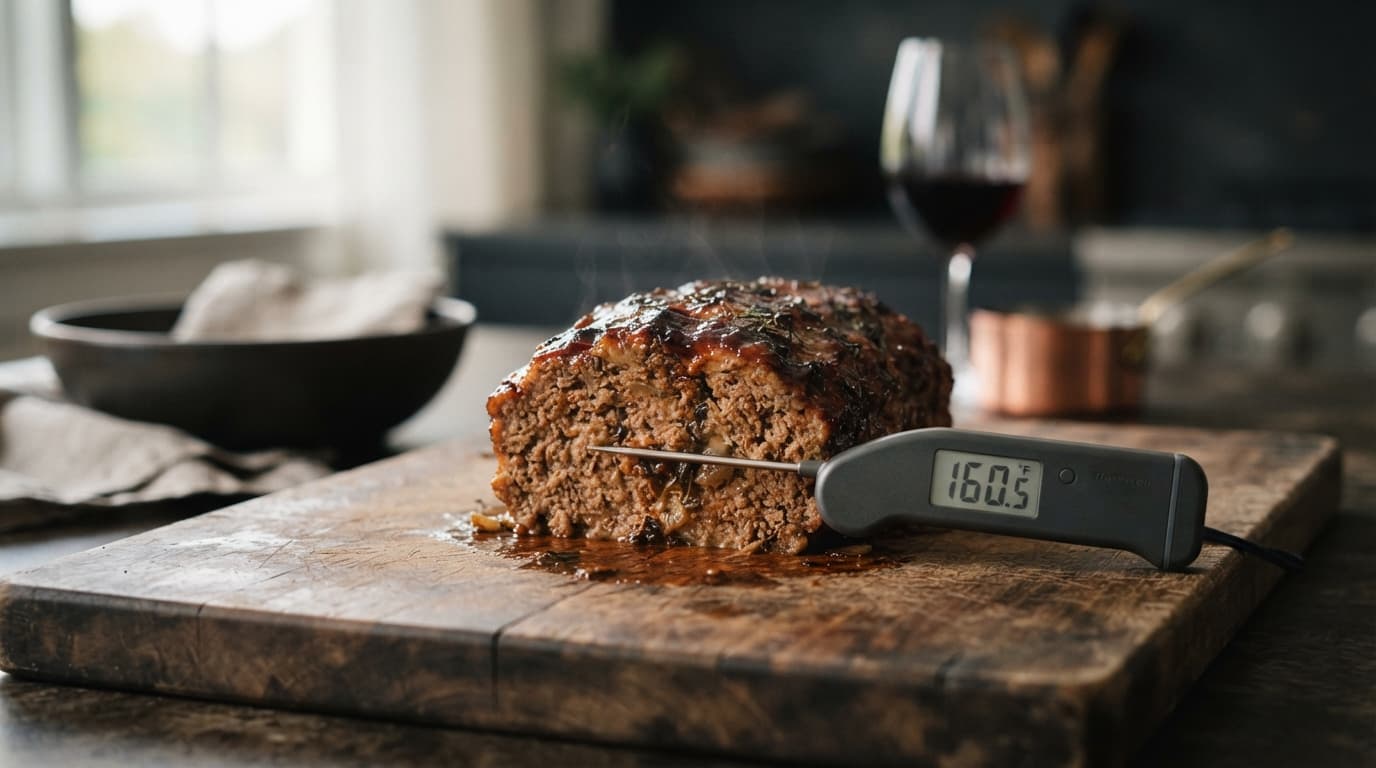
160°F, per USDA guidance for ground meat, beef, pork, veal, or a mix. That's higher than whole-cut beef's 145°F minimum, for a specific reason.
9 min read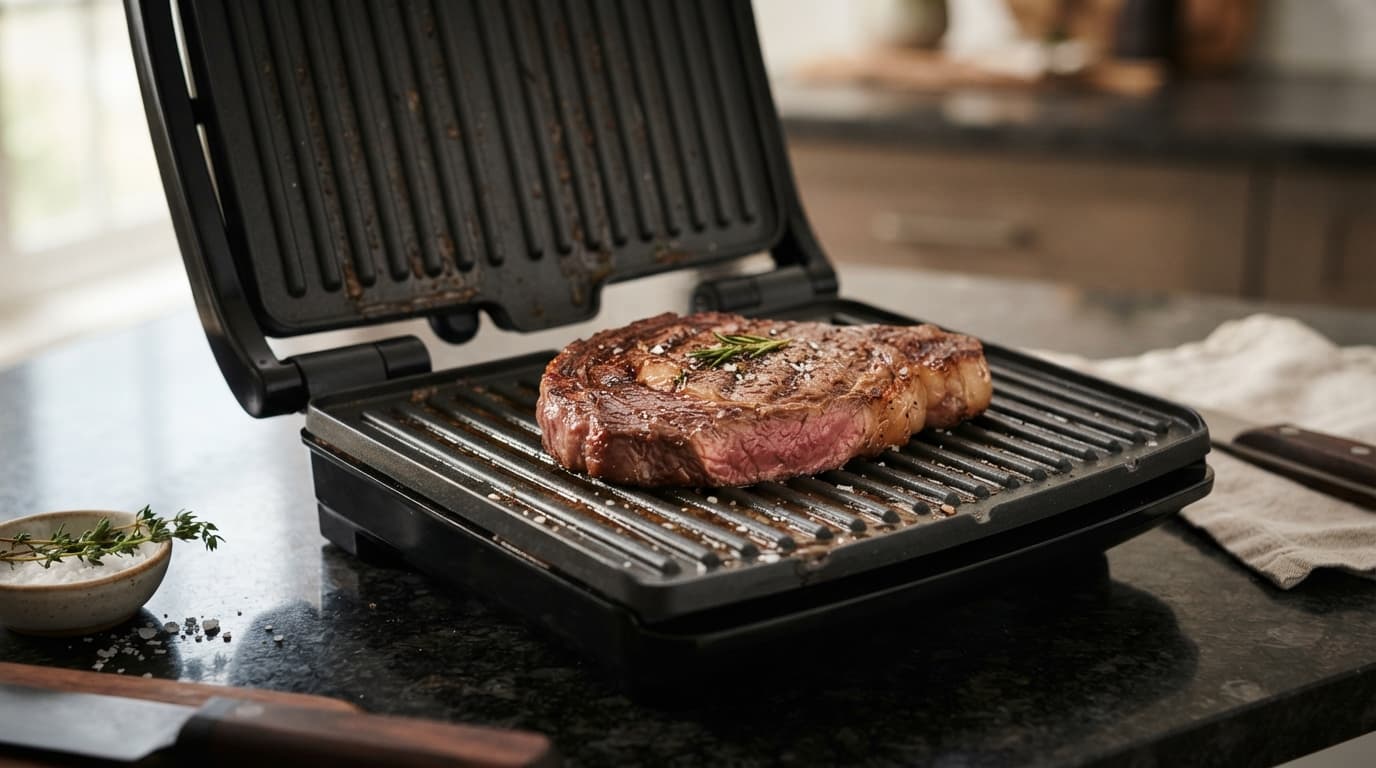
A 1-inch steak takes about 4-7 minutes for medium-rare on a contact grill, since both sides cook at once. Thickness affects time more than the clock does. Confirm 145°F.
10 min read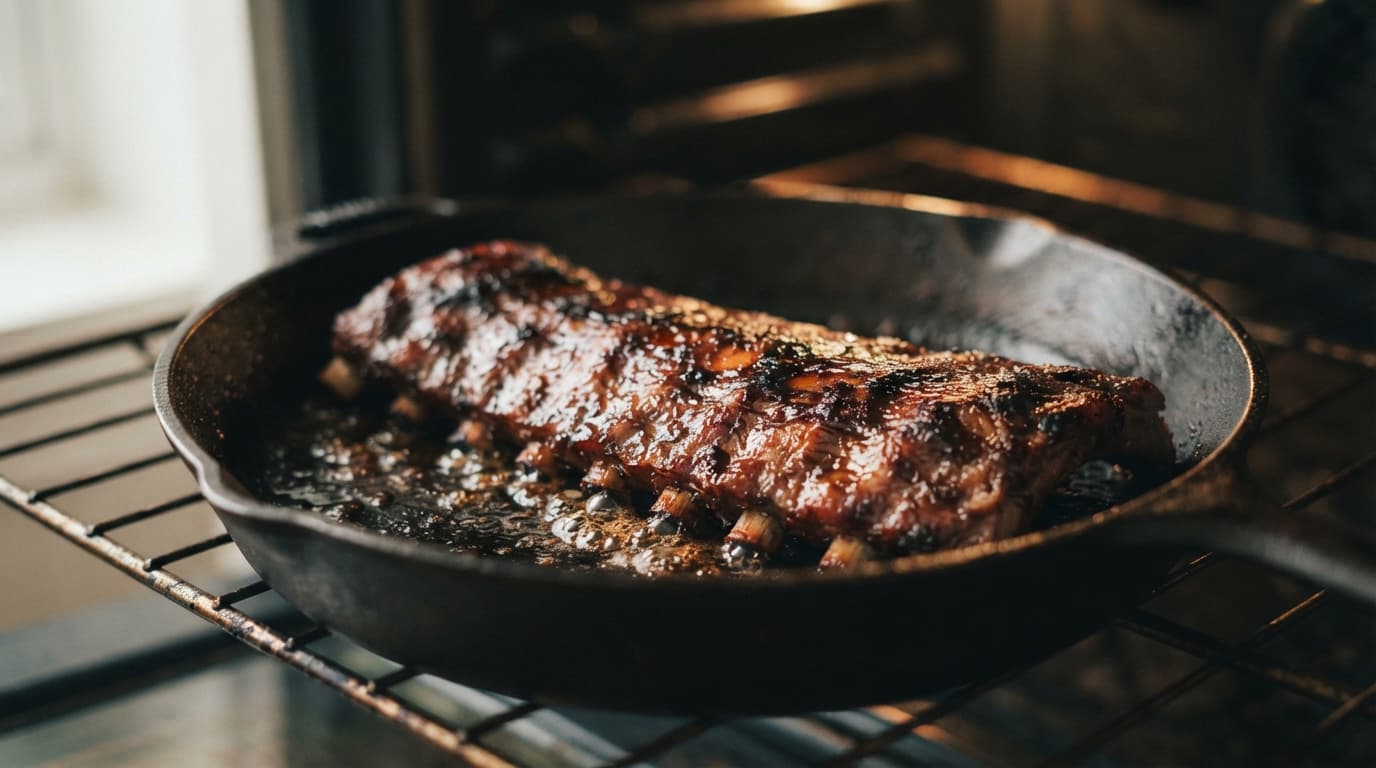
Precooked ribs need reheating to 165°F, not cooking from raw. The practitioner approach is about 250°F for 20 to 30 minutes, foil-wrapped with added moisture.
9 min readTables release two weeks out on Resy, Shukette's own booking platform.
Book Now →