Brisket vs Pulled Pork
Editorial desk · 9 min read · Updated 2026-08-23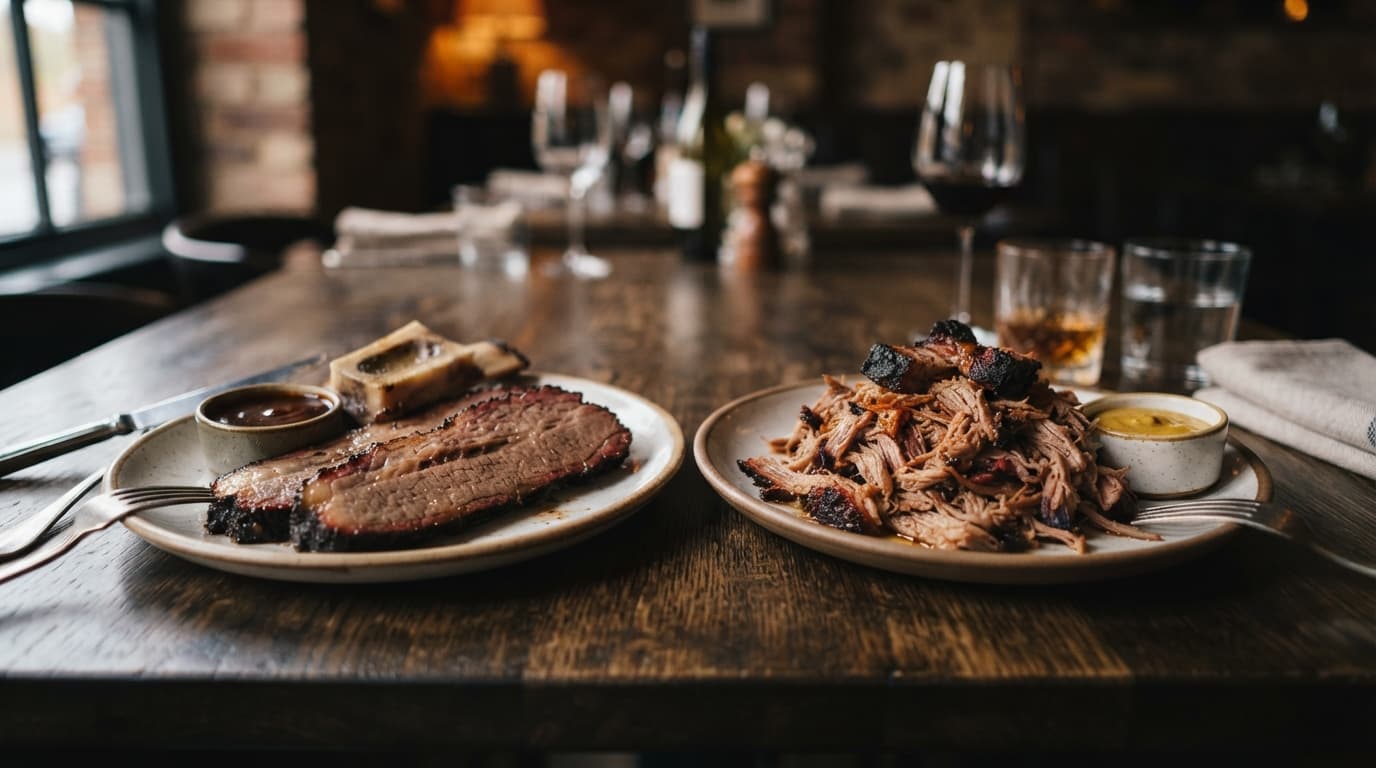
Brisket and pulled pork are both slow-cooked barbecue staples, but they come from entirely different animals and different parts of those animals: brisket from a cow's chest, pulled pork from a pig's shoulder. Both are safe to eat once they reach 145°F internally, yet neither is genuinely enjoyable at that temperature; both are typically cooked well past it, generally into the 195-to-205°F range, before their connective tissue breaks down into the tender, easily pulled or sliced texture each dish is known for.
Beyond that shared cooking logic, the two diverge in fat content, flavor, texture, and even how forgiving they are for a first-time cook, which makes the choice between them less about which is "better" and more about which fits a specific occasion or skill level.
| Animal/cut | Safety minimum | Tenderness target | Typical fat content | Cost per pound (relative) | |
|---|---|---|---|---|---|
| Brisket | Beef, cow's chest | 145°F | 195-205°F | Lower (flat), higher (point) | Higher |
| Pulled pork (pork shoulder) | Pork, pig's shoulder | 145°F | 195-205°F | Higher throughout | Lower |
Different animal, different cut, same basic logic
Brisket comes from the lower chest of a cow, a heavily worked, connective-tissue-rich section of muscle. Pork shoulder, the cut typically used for pulled pork, comes from the upper front leg and shoulder area of a pig, similarly heavily worked and similarly rich in connective tissue. Both cuts are tough by default at their food-safety minimum, and both reward the same general approach: long, low, gentle heat that gives collagen time to convert into gelatin rather than staying tough and chewy.
That shared underlying mechanism is why both dishes occupy a similar place in barbecue tradition despite coming from completely different animals. Pork butt, the more specific name for the shoulder cut used in pulled pork, follows almost the identical temperature logic brisket does: safe at 145°F, but not actually tender until well past it.
The name "pork butt" is itself a common point of confusion worth clearing up, since it doesn't actually refer to the rear of the animal. It comes from an old colonial-era packing method where cuts of shoulder meat were packed into barrels called "butts" for shipping, and the name stuck to the upper shoulder cut even though the terminology has nothing to do with anatomical location. A pork shoulder sold as "Boston butt" or simply "pork butt" is the same cut either way, and it's distinct from the picnic shoulder, a lower, slightly leaner portion of the same general shoulder area that's sometimes sold separately and behaves a little differently under long heat given its somewhat lower fat content.
Regional barbecue tradition explains a good part of why these two dishes rarely feel interchangeable to people who grew up around one or the other. Central Texas barbecue built its identity almost entirely around brisket, salt-and-pepper-seasoned and smoked over post oak, while Carolina and much of the broader Southeast built theirs around pulled pork, often whole-hog rather than shoulder alone, finished with a vinegar-based or mustard-based sauce depending on the specific part of the region. Neither tradition considers its featured meat a substitute for the other; they developed around whatever livestock and wood were locally abundant, and the dishes that came out of each region reflect that history as much as any inherent property of beef versus pork.
Fat content is the biggest practical difference
Pork shoulder generally carries more intramuscular fat than brisket's flat section does, which gives it a built-in moisture buffer during a long cook that brisket's leaner half lacks. The brisket point, by contrast, does carry substantial fat, closer to what pork shoulder offers, which is part of why the point specifically is favored for burnt ends rather than the leaner flat.
This fat difference has a real, practical consequence for anyone cooking either dish for the first time: pork shoulder is generally considered more forgiving of small temperature swings or slightly imprecise timing, since its higher overall fat content protects against drying out more reliably than a lean brisket flat does. Brisket, especially the flat, punishes inattention more directly, which is a meaningful part of its reputation as the harder of the two to get right consistently.
Texture once fully cooked
Properly cooked pulled pork shreds into long, distinct strands with a fork or two forks pulled in opposite directions, a texture that comes directly from pork shoulder's specific muscle structure and fat distribution once its connective tissue has broken down. Brisket's flat, once it reaches the same general temperature range, is more commonly sliced against the grain into clean, distinct pieces rather than shredded, since its leaner, more fibrous structure holds together differently than pork shoulder's does.
The brisket point is the exception on the beef side: with its higher fat content, it shreds reasonably well too, which is part of why cubed, twice-cooked point meat, burnt ends, ends up with a texture that sits somewhere between sliced brisket and pulled pork. Choosing to slice or shred a given piece of meat is ultimately about matching the cut's actual structure rather than an arbitrary style decision. Knowing which half of a whole brisket you're actually working with before you commit to slicing or shredding saves a disappointing result, since a lean flat pulled apart by hand tends to fall into dry, stringy shreds rather than the moist strands pulled pork produces. A whole, untrimmed packer brisket, with both muscles still attached, actually offers a built-in preview of this same choice: the point end can be shredded or chopped while the flat end gets sliced, from the same single piece of meat.
Pork shoulder doesn't have this same internal split. It's a more structurally uniform piece of meat throughout, which is part of why pulled pork has a more consistent, predictable texture from batch to batch than brisket does, where the outcome depends heavily on which section, or what balance of point and flat, ends up on the plate.
Cost differences, and why they exist
Beef generally costs more per pound than pork across most comparable cuts, a pattern that holds true for brisket versus pork shoulder specifically. Brisket's price has also climbed in recent years as it's become a more visible, trend-driven centerpiece in barbecue culture, which has pushed demand, and price, up further relative to pork shoulder's steadier, more workaday market position.
For anyone planning a barbecue on a budget, pork shoulder often represents the more economical way to feed a comparable number of people, especially once you factor in that a whole pork butt typically costs less per pound than even a flat-only brisket cut, before accounting for brisket's generally higher overall price trend.
Time commitment is genuinely similar
Both dishes commonly demand a full day's commitment when cooked low and slow: a large pork butt or a full brisket can each run anywhere from 10 to 16 or more hours depending on size, cooking temperature, and how the stall, a period where internal temperature plateaus despite steady heat, plays out during the cook. Neither dish is meaningfully faster than the other in total time, which means the choice between them shouldn't be driven by an assumption that one is a quicker weeknight option; neither realistically is.
Where the two do differ slightly is in active attention required. Brisket's leaner sections generally call for closer moisture monitoring throughout the cook, whether through wrapping technique or more frequent checks, while pork shoulder's higher fat content allows for a bit more hands-off time without the same drying risk.
Neither cook actually ends the moment the meat hits temperature, either. Brisket's rest period runs at least an hour, often several hours longer in an insulated cooler, before slicing. Pork shoulder benefits from a rest too, generally shorter, somewhere around 30 minutes to an hour wrapped and set aside, before it's pulled apart, since a rest lets both cuts finish redistributing moisture that a long cook pushes toward the center. Skipping the rest on either one undercuts hours of otherwise careful cooking, which makes it worth building into the total time estimate from the start rather than treating it as an afterthought once the meat comes off the heat.
A reliable thermometer matters equally for both cuts throughout this process, not just at the final check. Confirming internal temperature at multiple points during a long cook, not only once near the presumed end, catches a stalling cook or an oven running cooler than expected long before it becomes a problem at serving time. The same accuracy fundamentals apply to both regardless of which animal is on the smoker: response time, a probe thin enough to seat properly, and a unit that's actually been tested rather than trusted on faith.
Serving considerations for a group
Both dishes work well for feeding a crowd, since both scale up naturally and both hold up reasonably well as leftovers once properly stored and reheated. Planning quantities for a group matters for either dish, since a whole brisket or a large pork butt produces considerably more finished meat than a single household typically needs in one sitting, which makes both good candidates for a larger gathering rather than an everyday dinner.
Leftovers from either dish don't reheat identically, which is worth planning for once a big cook produces more than one sitting's worth. Sliced brisket dries out faster on a second reheat than pulled pork does, since pulled pork's shredded strands hold onto sauce and moisture more readily and its higher fat content offers more built-in protection against a second round of heat; a splash of stock added back in and a cover to trap steam helps offset brisket's drying tendency, while pulled pork tolerates a more casual reheat without the same risk. Both keep safely refrigerated for three to four days and freeze well for a few months beyond that, portioned into meal-sized amounts rather than one large block for a faster, more even thaw, and both should come back up to 165°F, the standard leftover safety target, on reheat.
Sauce pairing differs somewhat by region and tradition more than by any inherent property of the meat itself: some barbecue traditions serve brisket unsauced or with a thin, vinegar-forward sauce to let the meat and bark speak for themselves, while pulled pork is more commonly paired with a tangier, often vinegar-or-mustard-based sauce depending on regional style. Neither pairing is a hard rule, and both meats take well to a range of sauce styles depending on personal preference.
Both dishes also sit at a different point on the barbecue spectrum than a quicker-cooking protein like chicken. Chicken thighs finish in well under an hour and hit their safe target at a much lower 165°F, which makes them a reasonable side option on a barbecue spread built mainly around a long brisket or pork butt cook, since they can go on the smoker or grill much later without disrupting the timeline the main event demands. Rounding out a spread this way, one long-cooked centerpiece plus a faster-cooking option, is a common way to manage a group meal without every dish converging on the same finish time.
Choosing between them for a specific event
If ease of execution matters most, especially for a first attempt at either dish, pork shoulder's higher fat content and general forgiveness make it the lower-risk choice. If a specific flavor or presentation, sliced beef with a well-developed bark, or the option of burnt ends specifically, is the actual goal, brisket is worth the additional attention it demands. Neither dish is a fallback version of the other; they're two distinct barbecue traditions that happen to share the same underlying cooking science, just applied to two very different animals and cuts.
Frequently asked questions
Is brisket or pulled pork more work to cook?+−
They're comparable in total time, both commonly running 10 or more hours low and slow, but brisket is generally considered less forgiving, since its leaner flat section dries out more easily than pork shoulder's higher fat content allows for.
Are brisket and pulled pork cooked to the same temperature?+−
Both reach food-safety minimums at 145°F, but neither is genuinely tender at that number. Both are typically cooked into the 195-to-205°F range for the connective tissue to break down into a shreddable or sliceable texture.
Why is brisket usually more expensive than pork shoulder?+−
Beef generally costs more per pound than pork across most cuts, and brisket specifically has become a more sought-after, trend-driven cut in recent years, which has pushed its price up further relative to pork shoulder's more consistent, workaday pricing.
Can brisket be shredded like pulled pork instead of sliced?+−
Yes, particularly the point section, which has enough fat and connective tissue to shred well once fully cooked. The flat is more commonly sliced, since its leaner texture holds together better under a knife than it does when pulled apart by hand.
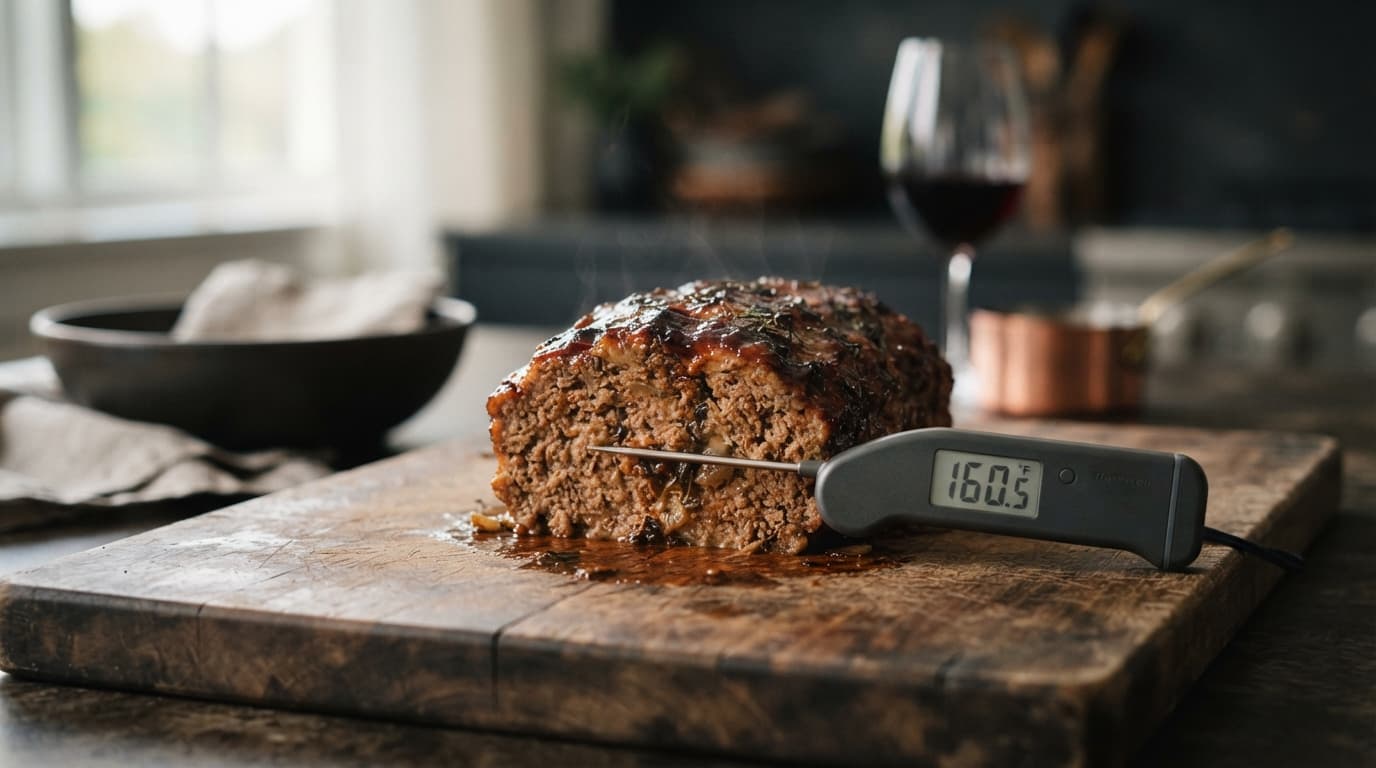
160°F, per USDA guidance for ground meat, beef, pork, veal, or a mix. That's higher than whole-cut beef's 145°F minimum, for a specific reason.
9 min read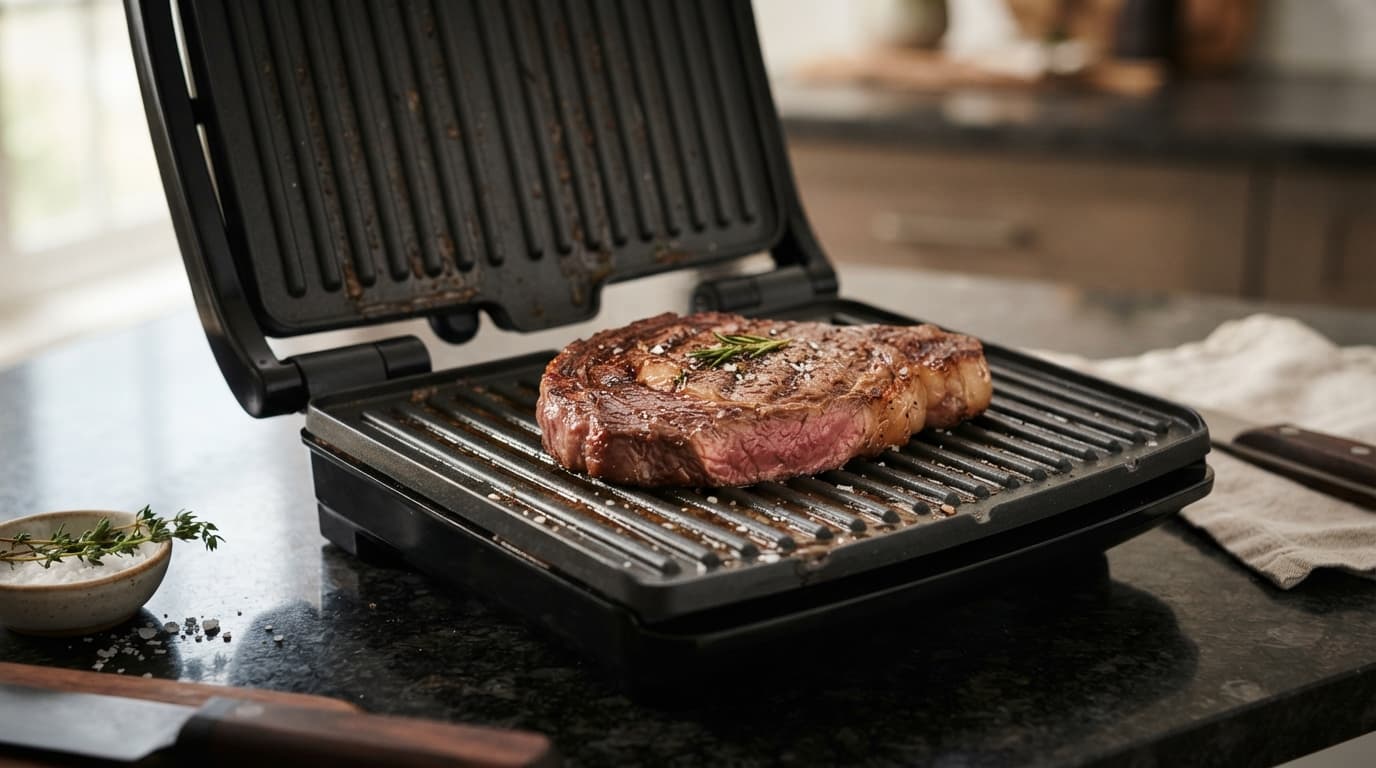
A 1-inch steak takes about 4-7 minutes for medium-rare on a contact grill, since both sides cook at once. Thickness affects time more than the clock does. Confirm 145°F.
10 min read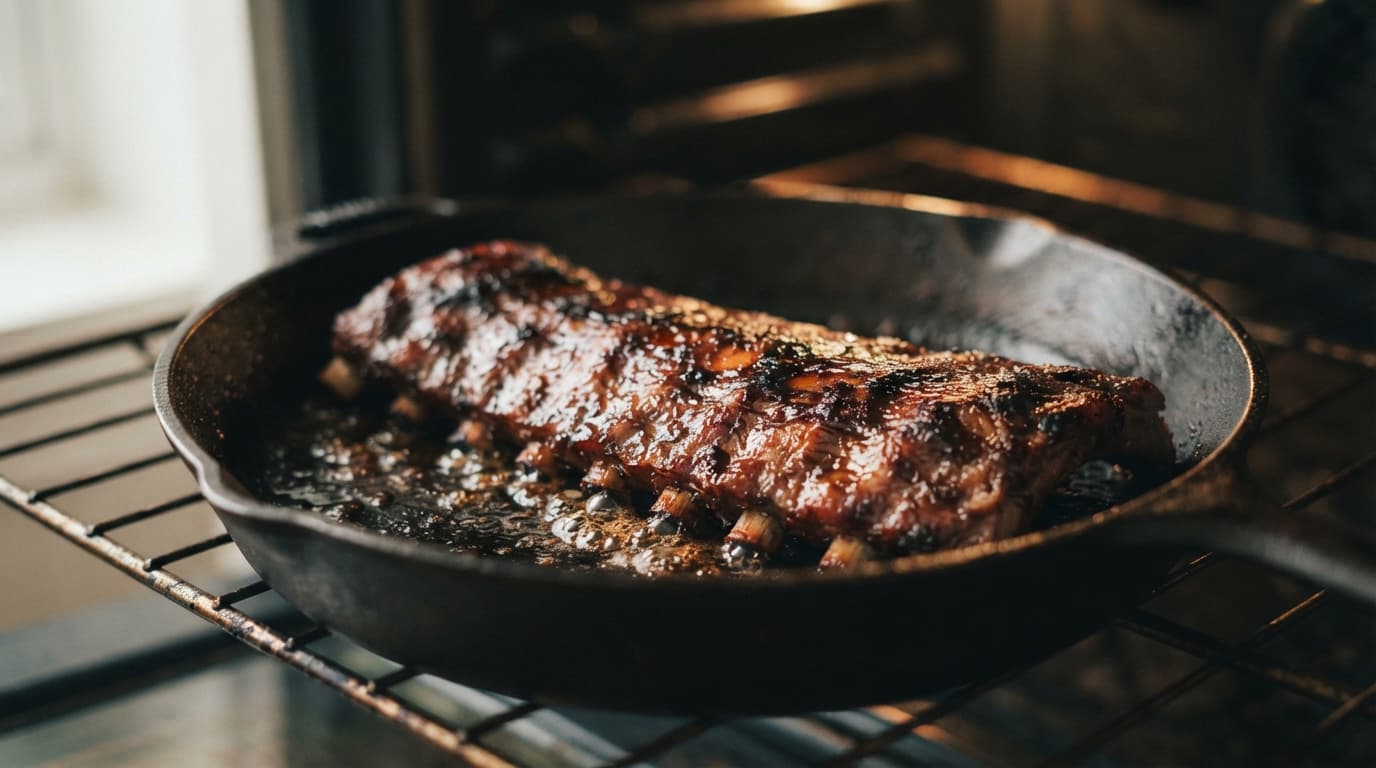
Precooked ribs need reheating to 165°F, not cooking from raw. The practitioner approach is about 250°F for 20 to 30 minutes, foil-wrapped with added moisture.
9 min readTables release two weeks out on Resy, Shukette's own booking platform.
Book Now →