Where to Buy Pork Belly
Editorial desk · 9 min read · Updated 2026-08-22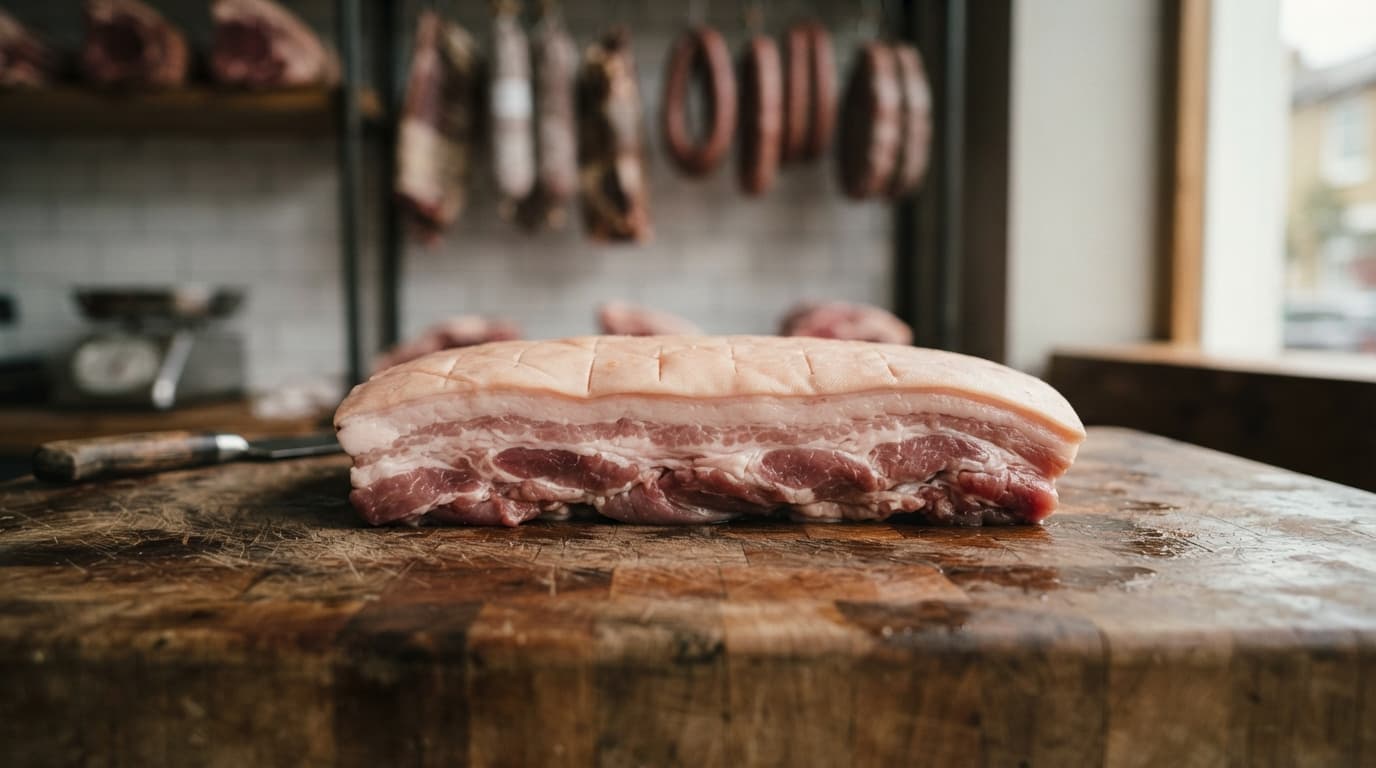
Pork belly shows up at large supermarkets, warehouse clubs, Asian and Latin American grocery stores, dedicated butcher shops, and online specialty meat retailers, though selection, cut style, and price vary considerably depending on which type of store you're checking. It's a less universally stocked cut than chicken breast or ground beef, which means it's worth knowing where to look rather than assuming any nearby grocery store carries it as a matter of course.
Large supermarkets: hit or miss, worth checking the meat counter directly
Many large supermarket chains carry pork belly, either pre-packaged in the standard meat aisle or available by request at a staffed butcher counter if the store has one. Availability varies significantly by specific store and region, though, since pork belly isn't as universally stocked as more everyday cuts. If your regular grocery store doesn't have it out on the shelf, it's worth asking at the meat counter directly rather than assuming the store doesn't carry it at all, since some stores keep less common cuts in the back rather than on display.
Timing your shopping trip can also help. Stores that carry pork belly inconsistently sometimes restock it on specific days tied to their broader meat delivery schedule, and a butcher counter staff member can often tell you which day that is if you ask. This is a small detail, but it turns a hit-or-miss search into a more reliable plan if a specific store is your most convenient option and you're willing to time a visit around when they typically have it in stock.
Pre-packaged pork belly at a general supermarket is also more likely to come pre-sliced into a specific thickness meant for a particular use, which may or may not match what a specific recipe calls for. If thickness matters for your dish, checking whether the store's butcher counter can cut a whole piece to your specification is worth asking about even at a general supermarket.
Warehouse clubs often carry it in bulk
Large membership-based warehouse retailers frequently stock pork belly, typically in bigger portions than a standard grocery store package. This suits anyone cooking for a crowd or planning to freeze a portion for later, but it's less practical if you only need a small amount for one dish, since warehouse club portions tend to run larger than what many recipes actually call for.
If you go this route, portioning and freezing what you don't need immediately, following the same general freezing and thawing principles that apply to other cuts of pork, keeps a bulk purchase from going to waste before you get through it.
Asian and Latin American grocery stores are often the best-stocked option
Grocery stores serving Asian and Latin American communities frequently carry pork belly as a genuine staple ingredient rather than a specialty item, since it's central to many well-known dishes across both culinary traditions. These stores often stock multiple styles in the same case, skin-on, skin-off, thick-cut, thin-sliced, giving you more selection and more control over exactly what you're buying than a single pre-packaged option at a general supermarket typically offers.
Pricing at these stores is also sometimes more competitive than at a general supermarket, since pork belly moves as regular, high-turnover inventory rather than a specialty item marked up for infrequent buyers. If there's a market like this near you and you haven't checked their meat section specifically, it's worth a look even if you don't otherwise shop there regularly.
These stores also tend to carry pork belly at multiple points in its processing journey, from fresh, unseasoned belly to pre-marinated or pre-seasoned versions meant for a specific traditional dish. If you're not sure exactly what you need, describing the dish you're planning to a staff member at the meat counter, rather than trying to identify the right package yourself, often gets you pointed toward exactly the right cut and preparation faster than browsing alone would.
A dedicated butcher gives you the most control
A butcher shop, whether a standalone shop or a full-service counter inside a larger store, is the most reliable place to get exactly the pork belly you want: skin-on or skin-off, a specific thickness, a specific weight, or a specific piece pulled from a particular part of the belly. Butchers can also answer questions about sourcing and quality that a self-service meat case can't, which matters if you have specific preferences about how the pig was raised or processed.
This is also the best option if you're planning to cure and smoke bacon from raw pork belly yourself, since a butcher can provide skin-on belly cut to the dimensions your specific curing setup needs, something far less likely to be available pre-packaged at a general grocery store.
Online specialty meat retailers, for less common cuts or specific quality standards
If pork belly genuinely isn't available anywhere convenient, or if you're looking for a specific quality standard, a particular breed, a specific farming practice, several online butchers and specialty meat companies ship pork belly frozen directly to your door. This tends to cost more than in-person options once shipping is factored in, but it removes the sourcing problem entirely for anyone in an area with limited access to a good butcher or a well-stocked international grocery store.
The tradeoff with online ordering is mostly about immediacy and inspection. Buying in person, whether at a butcher counter or a grocery store, lets you actually look at the piece before committing to it, checking the fat-to-meat ratio, the thickness, and the general appearance. Ordering online means trusting a retailer's description and photos instead, which works well with an established, reputable supplier but removes the direct quality check an in-person purchase allows.
Ordering online also means planning further ahead than a same-day grocery run allows, since delivery takes time and frozen pork belly needs proper thawing before use, generally the same refrigerator-thawing approach recommended for other cuts of meat to avoid any food-safety shortcuts.
Whole versus pre-sliced: which to choose
Buying pork belly whole, rather than pre-sliced, gives you full control over thickness, which matters more than it might seem depending on what you're making. A dish calling for thin strips for stir-frying needs a different cut than a recipe calling for a thick slab meant for slow braising or roasting, and a single pre-sliced package can only serve one of those purposes well. If you're comfortable with a sharp knife and have a specific thickness in mind, buying whole and slicing it yourself is the more flexible choice.
Pre-sliced pork belly is more convenient and requires no additional prep, which makes it a reasonable choice if your recipe's thickness requirements happen to match what's available, or if convenience matters more than precision for a given meal. Neither option is inherently better; the right choice depends on what you're actually planning to cook.
What to ask for, regardless of where you're shopping
Whether you're at a supermarket counter, a specialty grocery store, or a dedicated butcher, being specific about what you need gets better results than a vague request. Specify skin-on or skin-off depending on your recipe, since skin-on belly is standard for many braised and roasted preparations while skin-off is more common for slicing into bacon or for dishes where the skin's texture isn't wanted. Mention the approximate weight or thickness you need if you have a specific target, since a butcher counter can often accommodate that request in a way a sealed, pre-packaged product can't.
If you're new to buying this specific cut, it's also worth asking whichever counter or store you're at whether pork belly is something they stock regularly or need advance notice for. Some stores keep it in steady rotation; others may need a day or two of lead time for a special order, information that's far more useful coming directly from the specific store than from a general guide like this one.
Building a genuine relationship with a specific butcher over repeat visits pays off here noticeably more than it would at a typical, higher-turnover supermarket meat counter. A butcher who recognizes a returning customer is often more willing to set aside a good piece, offer a heads-up when a fresh shipment comes in, or accommodate a specific request than a rotating staff at a larger, less personal counter would be. This isn't necessary for an occasional purchase, but it's worth cultivating if pork belly, or any other less commonly stocked cut, becomes a regular part of your cooking.
Regardless of where the pork belly came from, cooking it safely follows the same fundamental standard as any other whole cut of pork: 145°F internal temperature at minimum, confirmed with a food thermometer, with a 3-minute rest afterward. Many pork belly preparations, slow braises, oven roasts aiming for crisp skin, actually go well past that minimum in pursuit of a specific texture, similar to how pork butt is cooked well past its own safety floor to render fat and connective tissue into something tender rather than simply safe.
Sourcing a genuinely good piece of pork belly is really only the first step in the whole process; how you actually cook it afterward determines whether that sourcing effort pays off in the finished dish. A well-chosen piece from a good butcher or a well-stocked international market still needs the same careful attention to temperature and technique as pork belly from anywhere else, since where it came from doesn't change what it takes to cook it well.
For anyone who enjoys the sourcing itself, knowing where to actually find good pork belly is most of the battle; the cooking technique from there follows the same principles as any other cut of whole pork.
A final practical note worth keeping in mind: pork belly's popularity has grown enough in recent years, driven partly by its use in dishes across several different cuisines, that availability at general supermarkets has genuinely improved compared to a decade or two ago. If a store didn't carry it the last time you checked, it's worth checking again periodically rather than assuming that's a permanent gap in what they stock, since meat counters do adjust their regular offerings based on customer demand over time.
If none of that sounds appealing and you'd simply rather taste a well-executed pork belly dish without sourcing or cooking it yourself, a menu built around a wood-fired grill and thoughtful ingredient sourcing is worth exploring as an alternative to the shopping trip described above. Either path, cooking it yourself or having someone else handle the sourcing and technique, gets you to the same place: a well-prepared piece of pork belly, just by a different route.
Seasonality plays a comparatively smaller role in pork belly's overall availability than it does for fresh produce, but it isn't entirely absent from the picture either. Demand tends to climb noticeably around certain holidays and cultural celebrations where pork belly dishes are especially traditional, which can mean tighter supply or somewhat higher prices at exactly the moments many people are most likely to be shopping for it. If you already know a specific date matters, checking in with your preferred source a few days ahead of time rather than assuming same-day availability avoids a stressful, last-minute scramble to track down a substitute somewhere else entirely.
Frequently asked questions
Do regular grocery stores carry pork belly?+−
Many large supermarkets do, either pre-packaged in the meat aisle or available at a staffed butcher counter, though selection and consistency vary a lot by store and region. It's less universally stocked than more common cuts like chicken breast or ground beef.
Is an Asian grocery store a good place to find pork belly?+−
Often, yes. Stores serving Asian and Latin American communities frequently carry pork belly in multiple styles, skin-on, skin-off, thick-cut, thin-sliced, since it's a staple ingredient across several cuisines, and it's sometimes priced more competitively there than at a general supermarket.
Should I buy pork belly whole or pre-sliced?+−
Whole, if you have a choice and a good knife, since it gives you control over thickness for whatever you're making. Pre-sliced is more convenient but limits you to whatever thickness the package offers, which may not suit every recipe.
What should I ask a butcher for if I want pork belly specifically?+−
Ask directly for "pork belly," skin-on or skin-off depending on your recipe, and mention roughly how much you need. A butcher counter can often cut a specific thickness or weight to order in a way a pre-packaged option can't.
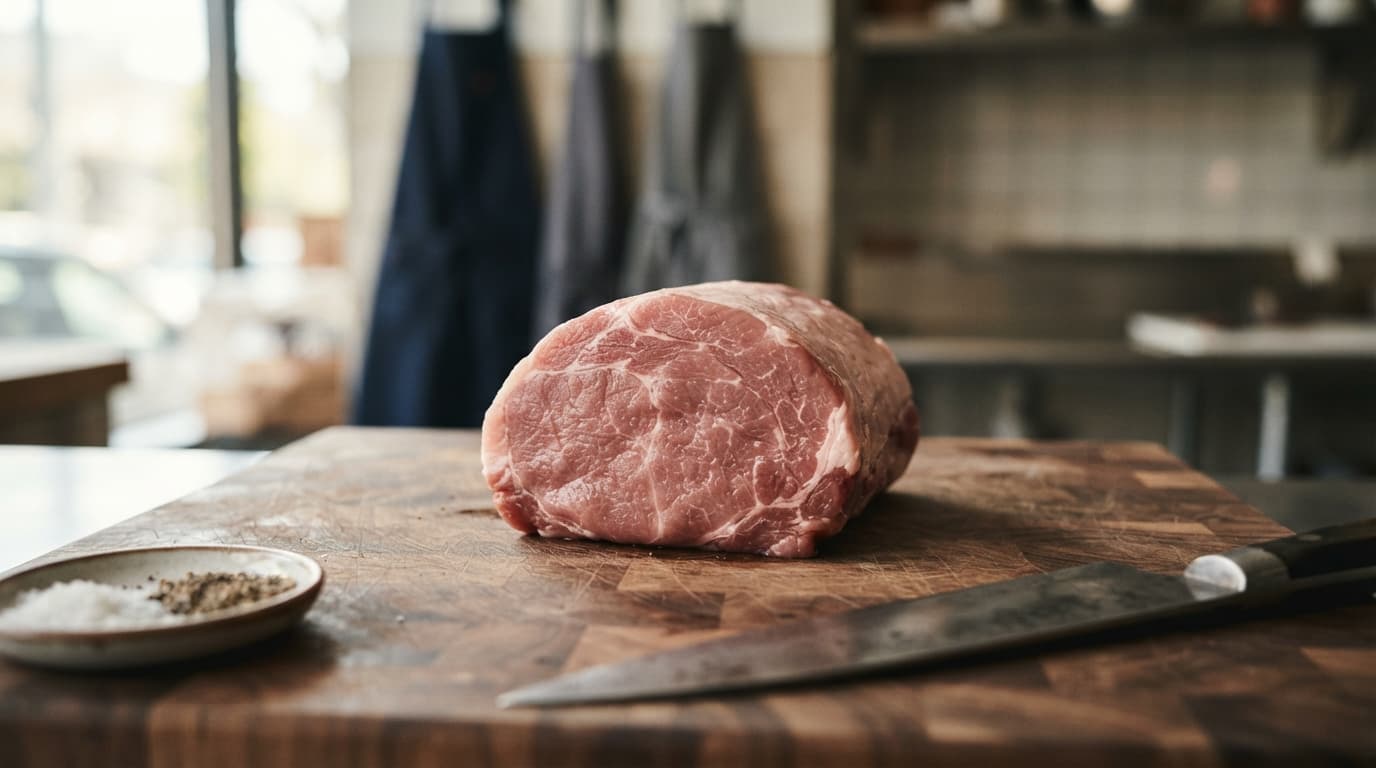
Pork cushion meat is a boneless cut from the picnic shoulder, officially known as IMPS 405B. It's lean, well-worked, and best cooked low and slow, like pork butt.
9 min read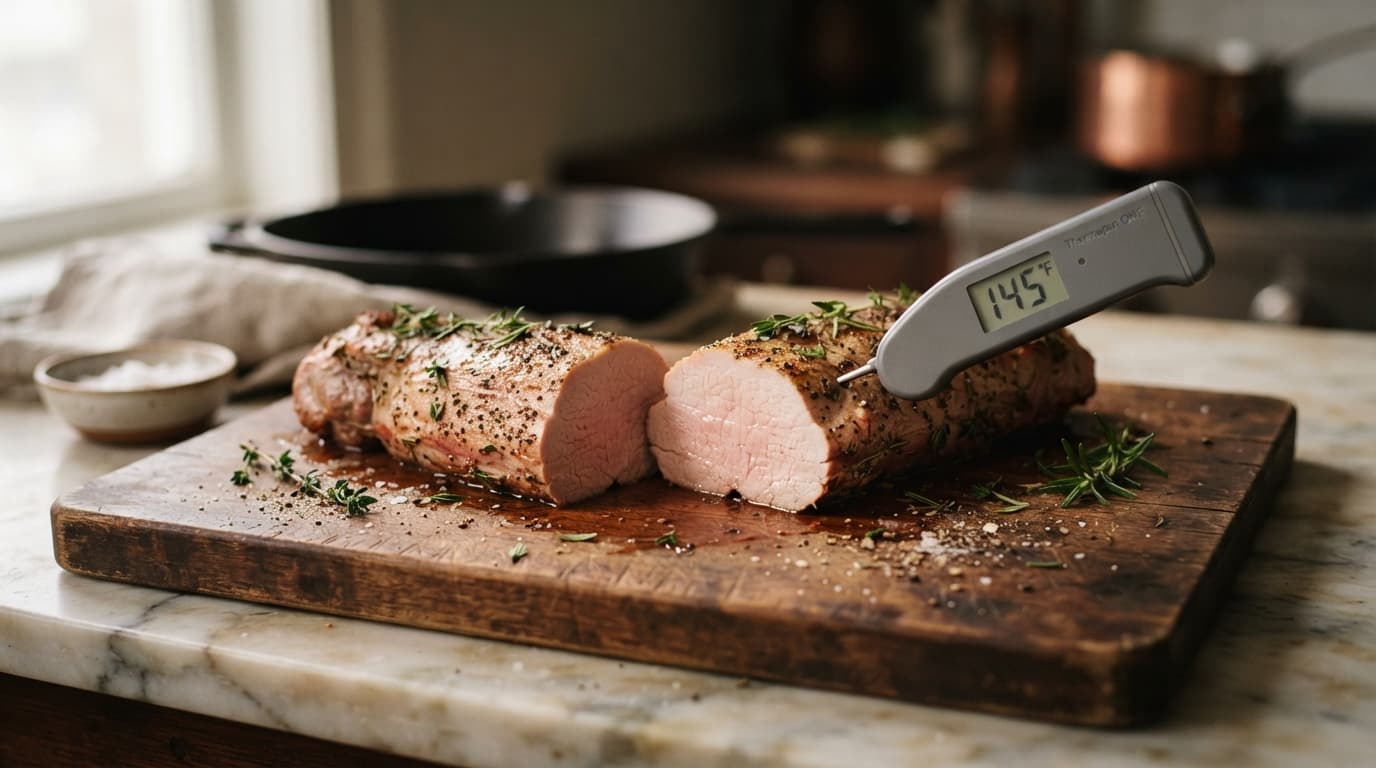
Pork tenderloin is done at 145°F, checked in the thickest part with a thermometer, then rested 3 minutes. Same number whether you grill, roast, or pan-sear it.
9 min read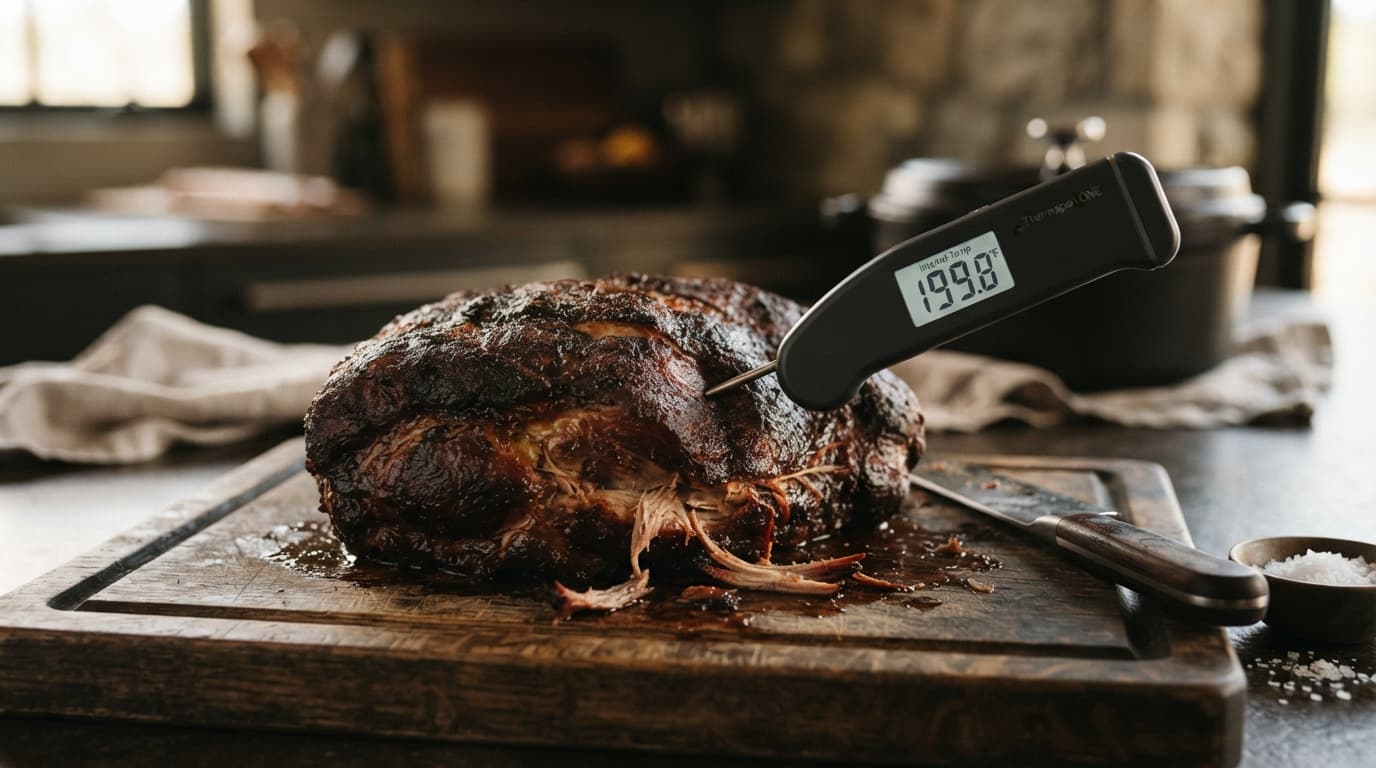
Pork butt is safe at 145°F, the USDA minimum, but pulled pork needs 195 to 205°F for the collagen to fully break down into tender, shreddable meat.
9 min readTables release two weeks out on Resy, Shukette's own booking platform.
Book Now →